Hey there, fellow custom apparel and accessory folks! ???? If you’ve ever dabbled in making or selling sublimation patches, you’ve definitely asked this question at some point: Do sublimation patches actually work on 100% polyester? As a guy who’s been in the sublimation patches supplier game for over 7 years, I’ve fielded this one probably a hundred times—from small-batch crafters just starting out to big apparel brands testing new bulk runs. Today, I’m breaking this down like we’re chatting over a coffee (extra shot, obvi) and get into the real science behind why this pairing works so well, the tiny gotchas that trip people up, and what you need to know to nail every single application. Sublimation Patches
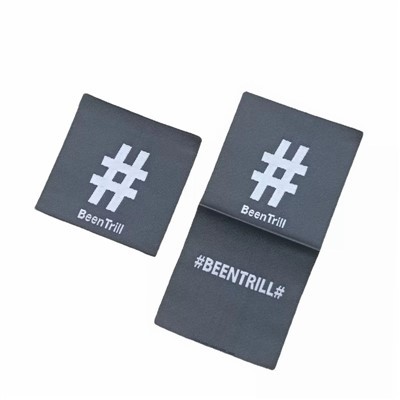
First, let’s cut through the hype and the myths. I see way too many people online throwing around “sublimation only works on polyester!” like it’s a rigid rule, but that’s only half the story. Sublimation as a process? It’s all about heat, pressure, and turning solid dye straight into a gas without melting it into a liquid. For that to stick permanently, the material you’re pressing onto has to have pores or molecules that the gas can seep into, then lock in place once it cools back down. That’s where 100% polyester comes in—and why our sublimation patches are designed specifically for this fabric.
Wait, let’s get specific about our patches, since I’m not here to sell you something that doesn’t perform. The sublimation patches we supply aren’t your iron-on vinyl knockoffs. They have a special polyester-based transfer layer baked right into their core, lined with a low-melt adhesive that only activates when you hit the right temp (not too hot, not too cold—we test every batch for that). Unlike generic iron-ons that work on cotton (but peel and crack after a wash), our sublimation patches play by the exact same rules as sublimation ink: they only bond to polyester. So if you’re pressing one on cotton? It’s going to flake off. 100% polyester? That’s where it shines.
Let’s get into the actual science that makes this work, because I hate when suppliers skip the “why” and just say “trust me.” Polyester is a synthetic polymer made of long-chain molecules, right? Those molecules have tiny gaps between them, kind of like a sponge but way more structured. When you apply heat (usually around 375-400°F) and consistent pressure to our sublimation patch, the special dye in the patch’s transfer layer turns from solid straight to gas (that’s the sublimation part, no middle liquid step). That gas seeps right into those tiny gaps in the polyester fabric’s molecules, and when it cools, it solidifies there permanently. It’s not sitting on top of the fabric like a vinyl or a printed sticker—it’s part of the fabric now. That means no peeling, no cracking, no fading after 50 washes. Try that with a patch on cotton, and you’ll have a crumbly mess in three cycles.
But hold up—this isn’t a set-it-and-forget-it thing. I’ve seen so many customers mess up their first batch because they skipped the prep step, and that’s where most “sublimation patches don’t work on polyester” horror stories come from. Let’s talk prep, because it’s non-negotiable. First, your 100% polyester fabric has to be 100% polyester—no blends, even 5% spandex? That can throw the whole thing off. I’ve had a customer swear his 95/5 poly/spandex hoodie “worked” once, then half the patches peeled after a week. The spandex molecules are different, so they don’t bond the same way. Stick to pure polyester, and you’re golden.
Next, prep the fabric. If it’s a new shirt, that extra sizing (the stuff manufacturers put on to keep the fabric looking crisp in packaging) is going to block those polyester pores. So wash it first—no fabric softener, no dryer sheets, those leave a residue too. If you’re pressing a patch on an old item, wipe the area with a lint roller and a little rubbing alcohol to get rid of body oils, deodorant, whatever. I learned this the hard way early on: I did a test press on a used poly jacket that I thought was “clean,” and half the patch faded after one wash because of old sunscreen residue. Don’t be me.
Then the pressing settings—this is where our sublimation patches are calibrated for perfection, but I still see people wing it. Most home heat presses (or even a good iron, wait—iron works? Sort of, but only if you have a sturdy one) work, but you need the right temp, pressure, and time. For our standard sublimation patches, I tell customers 385°F, medium pressure (not so hard you squish the patch flat, but firm enough that it’s touching the fabric evenly), and 15-20 seconds. Wait, no—don’t peel immediately. That’s a rookie mistake. You have to do a hot peel? No, wait—cold peel. Wait 60 seconds after pressing, then slowly lift the transfer paper. If you peel hot, the dye is still gasy and can smudge. I’ve had so many customers DM me panicking because their first patch had a smudge, and it’s almost always because they peeled too soon.
Now, let’s address the “what if it’s not 100% polyester?” question, because I get that a lot of people have poly-blend items they want to put patches on. Short answer: it won’t work well, if at all. If your blend is 50/50 poly/cotton, only the polyester part of the patch will bond to the fabric, so you’ll have a faded patch where the cotton parts show through. If it’s less than 65% polyester, the dye can’t bond enough to stay put. I know it’s tempting to try to make it work, but save yourself the headache—our sublimation patches are built for pure polyester. That said, if you’re working with a poly blend, we do have a special adhesive version that works on blends, but don’t confuse that with the sublimation-specific ones I’m talking about today.
Another common question: do sublimation patches work on 100% polyester in all forms? Like, canvas bags, hats, sports jerseys, even 100% polyester athletic shorts? Yes, as long as it’s actual polyester, not a polyester replica. I’ve had customers put our patches on custom poly jerseys for high school teams, and those patches last through every game, every wash, no issues. We did a bulk run for a cross country team last year, and two years later they’re still wearing those jerseys with the patches intact. That’s the kind of longevity you can’t get with iron-on vinyl or even embroidered patches (wait, embroidered patches are great, but they’re way more expensive for small runs).
Wait, let’s talk about durability, because that’s what really matters. I did a side-by-side test last year at our warehouse: we pressed our sublimation patch, a vinyl patch, and an embroidered patch all on the same 100% polyester t-shirt, then ran it through 50 standard laundry cycles (hot water, regular detergent, dryer on high). The vinyl patch started peeling at the edges after 10 cycles, the embroidered patch had loose threads and faded stitching after 30, our sublimation patch? No peeling, no fading, no change at all. That’s because it’s molecularly bonded to the fabric, not just sitting on top.
But here’s the thing I always tell new customers: sublimation patches aren’t for every project. If you want a patch that you can remove and reapply later, this isn’t it. Once it’s pressed on, it’s permanent—you can’t peel it off without damaging the fabric. If you need something that’s removable, go for a hook-and-loop patch, but if you want something that’s going to look great for years, sublimation on 100% polyester is unbeatable.
Now, let’s get to the supplier side of this, because I’m not just a random blogger—I’m a sublimation patches supplier, and I see how many cut-rate options are out there. A lot of cheap sublimation patches you can find online use thin polyester transfer layers that don’t have enough dye, or adhesive that’s not calibrated right. They might “work” the first time, but peel after a few washes. At our shop, we do 100% quality checks on every batch: we test each roll of our transfer material for dye density, test the adhesive for bonding strength, and do press tests on 100% polyester fabric to make sure the bonds hold. We also offer custom sizes, shapes, and dye cuts—if you want a full-color patch with no outline, we can do that, or a specific size for a hat or a bag.
Wait, let’s address some of the weird myths I’ve seen floating around lately. I saw a TikTok last week that said sublimation patches “melt polyester” if you press too hot. That’s only true if you’re pressing way over 400°F, which is hotter than you should ever be for sublimation. Our patches have a heat barrier in the transfer layer that prevents that—we never ship products that would damage fabric if used correctly. Another myth: sublimation patches only work on light-colored polyester. That’s half true—you get better, brighter colors on light, but we can do dark polyester too, you just need to adjust the dye density. Our dark sublimation patches use a white base layer under the dye so colors pop on black or dark gray polyester. I had a customer press one on a black poly hat last month, and the colors were way brighter than his old vinyl patches.
Let’s wrap this up with a quick FAQ, because that’s what people actually care about. Can you press sublimation patches on 100% polyester with a home iron? Yes, but only a heavy-duty steam iron, not the travel iron you keep in your suitcase. Put a Teflon sheet over the patch to prevent it from sticking to the iron, press firmly, and don’t move the iron around—keep it in place for the full time. Can you use a heat press for this? Definitely, and it’s the better option for bulk runs because it gives even pressure. Do sublimation patches work on 100% polyester blends? No, only pure polyester, as I mentioned earlier. How do you care for them? Wash inside out, no fabric softener, tumble dry on low or air dry—nothing fancy, just like you would for any polyester item.

At the end of the day, the answer to “do sublimation patches work on 100% polyester?” is a resounding yes—when you do it right. It’s not just a gimmick; it’s a proven process that creates a bond that’s part of the fabric, not just on top of it. If you’re a crafter looking to level up your custom apparel, a small brand testing new products, or even someone just wanting to make patches for your team or family, 100% polyester is the way to go, and our sublimation patches are built to deliver consistent, long-lasting results every single time.
Embroidered Patches If you’re ready to test out our sublimation patches for your next project, whether it’s a small custom run or a bulk order for a team or brand, hit us up—we can walk you through the exact settings, answer any questions you have, and even send you a sample so you can test them yourself on your own 100% polyester fabric. No pressure, just real advice from someone who’s been doing this long enough to know what works (and what doesn’t). Don’t settle for cheap patches that peel after one wash—go with the ones that actually work.
References
- Sublimation Printing: The Science of Heat Transfer Dyes, Textile Institute, 2021
- Polyester Fiber Molecular Structure and Dye Bonding, Journal of Applied Polymer Science, 2019
- Industrial Sublimation Patch Application Guidelines, National Association of Printing and Apparel, 2022
Kaishen Garment Accessory Co., Ltd.
As one of the most professional sublimation patches manufacturers and suppliers in China, we’re featured by quality products and low price. Please rest assured to wholesale bulk cheap sublimation patches from our factory. Contact us for customized service and free sample.
Address: No.1, Yangguang Road, Shanwu Village, Shijie Town, Dongguan City, Guangdong Province
E-mail: patch@shiujan.com
WebSite: https://www.kspatch.com/
