If you’ve ever spent hours curating the perfect car interior—polished leather seats, fragrant floor mats, that spot of warm wood trim that makes every drive feel intentional—you know how disheartening it is to see dashboard and interior trim marred by scuffs, dust, sun damage, or that sticky residue from a neglected cleaner. As a car interior trim supplier, I’ve worked with everything from plastic dashboard panels and soft-touch vinyl to faux wood and aluminum accent pieces for over a decade, and I’ve seen firsthand what works (and what destroys trim that customers spend thousands on). A lot of DIY tutorials online make this seem simple, but too often people use the wrong products—harsh chemicals that fade vinyl, abrasive scrubbers that scratch plastic, or paper towels that leave lint stuck in crevices. Today, I’m breaking down a science-backed, step-by-step process to clean your car interior trim and dashboard, plus the common mistakes to skip, because good trim isn’t just for looks—it adds value to your vehicle, and a clean, well-cared-for interior feels like a refresh every time you step in. Car Interior Trim

First, let’s talk about prep, because rushing to scrub your trim before you’re ready is the biggest mistake people make. Dirt, dust, and crumbs that sit on surfaces can act like fine sandpaper when you wipe them, scratching soft plastic or vinyl permanently. The last thing you want is to spend 10 minutes scrubbing a scuff only to realize you just added 10 tiny scratches. Start by parking your car in a shaded, cool spot—sunlight can make cleaning products dry too fast, leaving streaks or residue, and it’s harder to work on a hot dashboard. Next, gather the right tools, not just what’s under your sink. For basic prep, you’ll need: a soft-bristled detailing brush (the kind with nylon bristles, not metal, which will scratch trim), a microfiber cloth (the 300-gsm kind is best; avoid cheap cotton towels, which leave lint), a vacuum with a crevice tool attachment, and a bucket of warm, distilled water. Distilled water is important here—tap water has minerals that can leave spots on plastic or dry out vinyl over time. If your trim has stubborn debris in gaps between air vents, around the dashboard edge, or behind the steering wheel, use the vacuum’s crevice tool first to suck up everything you can reach. I always tell my team that even the smallest crumb behind the climate control buttons can get ground into a stain later, so don’t skip this step.
Now, let’s split this by trim type, because one cleaner doesn’t work for every surface. This is where a lot of DIYers go wrong—using an all-purpose cleaner meant for kitchen counters on a soft-touch vinyl dashboard, for example, can strip the protective coating, leading to fading and cracking within a year. Let’s start with the most common: plastic dashboard trim and hard plastic interior pieces. Most factory car dashboards are made from polypropylene or ABS plastic, which is durable but prone to fading from UV exposure. For regular, light dirt (dust, fingerprints), mix one part of a pH-neutral car interior cleaner with four parts of warm distilled water in a spray bottle. pH-neutral is key here—cleaners that are too acidic (like glass cleaners with ammonia) or too alkaline (heavy-duty all-purpose) will break down plastic polymers over time. Spray this solution directly onto your microfiber cloth, not the dashboard, to avoid over-spraying into vents, speaker grilles, or even electrical components hidden behind the trim. Wipe the dashboard in gentle, circular motions, focusing on areas with fingerprints or grime. For stubborn scuffs (like from a pen mark or a shoe that brushed the lower dashboard), use your soft-bristled detailing brush dipped in the soapy water, and gently work the brush into the scuff. Don’t press hard—let the bristles do the work. Once you’re done, wipe the area with a dry part of the microfiber cloth to soak up excess moisture.
Next, soft-touch vinyl and leatherette trim, which is super common in modern cars for the door panels, armrests, and upper dashboard. This material is much more porous than hard plastic, so harsh cleaners will soak in and discolor it, plus it needs to stay moisturized to avoid cracking. For this, skip the all-purpose cleaners entirely. Instead, use a mild, silicone-free leather and vinyl conditioner, or a dedicated soft interior trim cleaner that’s formulated for porous surfaces. If you don’t have a store-bought product, a DIY alternative is one teaspoon of baby shampoo mixed with a quart of warm distilled water—baby shampoo is pH-balanced and gentle enough for porous materials. Apply the solution to a microfiber cloth, never spray directly, and wipe the vinyl in light, overlapping strokes. For areas with food spills (like a soda spill on the center console trim), blot the spill first with a dry cloth to absorb as much as possible before cleaning—rubbing will push the spill deeper into the vinyl. After cleaning, immediately apply a thin layer of silicone-free conditioner. A lot of people skip this step, but soft vinyl dries out in as little as six months if you don’t moisturize it, especially in sunny climates. At our shop, we see dozens of trim pieces every year that get replaced because customers forgot to condition their soft vinyl, leading to cracks that make the interior look worn out.
Then there are wood and metal accent trim pieces, which add a premium look but need extra care. Faux wood trim (the kind most cars use now, not solid wood) has a clear protective coat that can scratch easily, and real wood needs to retain its natural moisture. For faux wood trim, avoid any product with petroleum distillates or heavy silicone—these can leave a greasy residue and dull the wood’s finish. Instead, use a wood-specific cleaner or a mixture of one part rubbing alcohol (70% isopropyl, not higher concentrations) with four parts warm water. Wipe gently with a microfiber cloth, and buff immediately with a dry cloth to avoid water spots. For metal trim (aluminum or chrome), which is often around the dashboard or door handles, use a metal polish that’s non-abrasive—abrasive polishes will scratch the metal’s surface over time. A good trick for light grime on metal is a dab of white toothpaste (non-gel, non-stripe) applied with a soft cloth, then wiped off and buffed; it’s gentle enough not to scratch, and works great for fingerprints.
Now, the areas people almost always miss: air vents, climate control buttons, and behind the steering wheel. Air vents are a nightmare for dust, because the slats trap every little bit of debris that blows through your car’s AC. To clean them, take a clean, dry microfiber cloth, fold it over a popsicle stick or a small flat screwdriver, and slide it between the vent slats to wipe both sides at once. Avoid using liquid cleaners here—they can drip into the vent mechanism and cause it to stick. For buttons on the climate control or radio, use a cotton swab dipped in a little of your pH-neutral cleaner to get into the cracks between buttons, then wipe with a dry swab to remove any moisture. I once had a customer come to us with a dashboard that had broken climate control buttons because someone sprayed too much cleaner into the button panel, so always be cautious with liquids around electronics.
Once you’re done cleaning, there’s one final step that makes your trim look new for longer: UV protection. Sunlight is the biggest enemy of car interior trim—UV rays fade plastic, crack vinyl, and dull wood. Even if you don’t park outside every day, prolonged exposure will damage your trim. Apply a dedicated UV protectant for interior trim, one that’s formulated to not leave a greasy or shiny residue (glossy protectants can make the interior look cheap). Apply a thin layer with a microfiber cloth, buffing in circular motions, and it will not only protect your trim but also repel dust for a few weeks. At our company, we test all the products we recommend for our own trim manufacturing, and we’ve found that a good UV protectant cuts down on fading by over 70% for vehicles parked outdoors regularly.
Now, let’s talk about the common mistakes that will ruin your trim, even if you follow the steps. First, using paper towels or rough cotton cloths. Paper towels have tiny wood pulp fibers that scratch plastic and vinyl, and they leave lint behind that’s almost impossible to remove. Rough cloths do the same. Second, using glass cleaner on non-glass surfaces. Glass cleaner has ammonia, which breaks down the polymers in plastic and vinyl, leading to fading and cracking within a year. Third, scrubbing too hard. A lot of people think a deeper scrub gets rid of stains, but it actually scratches the surface. Most stains on interior trim are surface-level, so gentle pressure is all you need. Fourth, skipping conditioning. Soft vinyl and leatherette don’t self-moisturize, so every time you clean them, you’re removing a little bit of the natural oils, leading to dryness and cracks. Fifth, ignoring the small gaps. Dirt in air vents or between buttons might not be visible, but it builds up and can cause odors or even mechanical issues with your car’s controls.
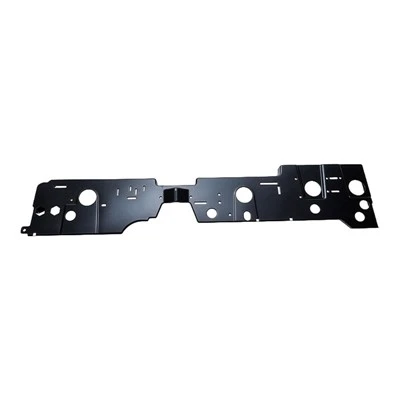
As someone who works with car interior trim every day, I’ve seen how a clean, well-cared-for interior can make a 5-year-old car feel like new. A lot of people focus on exterior detailing, but the trim is what you see and touch every time you get in the car. If you’re looking to upgrade your trim or replace worn pieces that can’t be salvaged with cleaning, we work with drivers, dealerships, and custom car builders to source high-quality, durable interior trim that’s built to withstand daily use and proper cleaning. Whether you need a replacement dashboard panel, door trim, or accent pieces, our team can help you find the right fit for your vehicle. For more information or to discuss your interior trim needs, feel free to reach out to our sales team to start a conversation.
Other Auto Stamped Welded Components References
- "Car Interior Detailing Best Practices", Automotive Aftermarket Industry Association, 2022
- "Material Compatibility for Automotive Interior Trim", Society of Automotive Engineers International, 2021
- "UV Damage to Automotive Interior Surfaces", International Journal of Automotive Technology, Vol. 19, No. 3, 2018
- "pH Balance in Interior Cleaning Products", Detailers Association of North America, 2020
Suzhou Yehe Precision Stamping Co., Ltd.
With abundant experience, we are one of the most reliable car interior trim manufacturers and suppliers in China. We warmly welcome you to buy customized car interior trim at competitive price from our factory. If you have any enquiry about quotation, please feel free to email us.
Address: No.5, Beifang Road, Changshu City, Suzhou, Jiangsu Province, China.
E-mail: szyh06@yehejingmi.com
WebSite: https://www.yehe-precision.com/
