Hey there, Thermoblock Espresso Machine
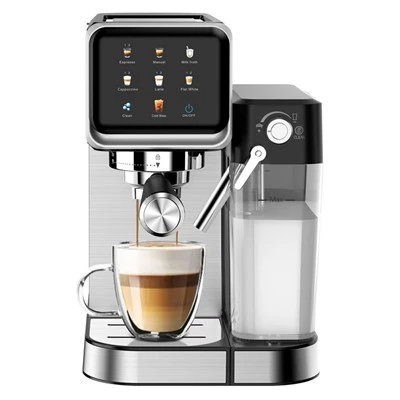
If you’ve ever shopped around for an espresso machine, chances are you’ve stumbled on “thermoblock” models at some point. They’re super popular right now—for good reason, honestly. But one question I get all the time, both from home baristas just getting started and café owners looking to stock their backroom, is: “How long does a thermoblock espresso machine actually last?”
I’ve been in this game for over a decade—supplying thermoblock machines, troubleshooting them in my workshop, chatting with regulars at local coffee meetups—and let me tell you, the answer isn’t a straight “3 years” or “10 years.” It depends on a ton of factors. But before we dive into that, let’s keep it real: thermoblock tech is what makes these machines so convenient, but also what can wear them out faster if you don’t treat ‘em right.
First, let’s break down what a thermoblock even is, in plain terms. No jargon, I promise. Unlike older dual-boiler machines that have a separate tank for brewing and steaming, a thermoblock is a small, compact heating element (it looks like a little metal block, duh) that heats water exactly when you need it. Hit the brew button, water runs through the block, heats to brewing temp in like 2 seconds. Need steam? Toggle the switch, the same block cranks up to steam temp in another 2 seconds. Super fast, no waiting around for a big boiler to heat up. That’s why they’re so beloved for small spaces or places where you need quick, on-demand shots.
But here’s the thing: that compact heating block is also the part that takes the most beating, especially if you’re using your machine nonstop. I’ve seen home users run theirs 2-3 times a day and have it last 8+ years, and I’ve seen a café use the exact same model 50+ times a day and burn out the thermoblock in 2 years. So the biggest variable here is usage frequency and how you maintain the darn thing.
Let’s start with maintenance, because this is the #1 thing that people skip, and it kills thermoblocks way faster than any manufacturing defect. I can’t tell you how many times a customer brings in a machine that’s spitting out lukewarm shots and says, “I thought it was just old.” Nope—9 times out of 10, it’s calc buildup. Coffee water has minerals, right? Calcium, magnesium, all that stuff. When you heat water in a thermoblock, those minerals stick to the inside of the tiny heating passages, like lime in a kettle. Over time, that buildup insulates the block, so it can’t heat water as evenly or as fast. If you don’t descale regularly, the thermoblock has to work way harder than it’s designed to, which burns out the heating element prematurely.
I always tell people: descale your thermoblock machine every 3-6 months, depending on your water. If you’re using tap water that’s super hard (like places in the Midwest US, or parts of Europe with really mineral-heavy tap), do it every 3 months. If you use filtered water, you can stretch it to 6. And here’s a pro tip that most users don’t know: when you do descale, run 2 full water cycles with just plain water after the descale solution, to flush out any leftover residue. That prevents extra gunk from building up in the block.
Then there’s the actual usage. Let’s split this into home users vs. commercial users, because that’s a huge divide. For home baristas who use their machine 1-4 times a day (weekdays) and maybe a few more on weekends, a well-maintained thermoblock can easily last 10+ years. I had a customer a couple years back bring in a 12-year-old thermoblock that he used every morning for his latte, and we replaced just a tiny part (the pressure gauge) and it was good as new. Now, if you’re a small café, a busy office break room, or a busy coffee cart pumping out 200+ drinks a day? That’s a different story. Commercial use cranks that machine 10+ hours a day, so the thermoblock is heating and cooling hundreds of times. Even with perfect maintenance, you’re looking at 3-5 years before you’ll need to replace the thermoblock or even the whole machine.
Wait, but what about build quality? Not all thermoblocks are made the same, right. As a supplier, I work with manufacturers that use solid copper or stainless steel blocks, because those materials heat evenly and resist corrosion way better than cheap aluminum. I’ve seen super cheap no-name thermoblock machines that die in 18 months, even with regular descaling. But the models I supply? They use industrial-grade thermoblocks that are designed to handle consistent heat cycles, so even in high-use environments, they hold up way better. That’s why I always emphasize buying from a reputable brand instead of the $100 Amazon special—spend a little more upfront, and you’ll save a ton on replacements.
Another big one: how you treat the machine between uses. A lot of people leave water in the reservoir for weeks, or don’t empty the leftover water after steaming. That stagnant water can cause mineral buildup faster, and also lead to corrosion inside the thermoblock. I tell everyone: empty the water reservoir every few days, especially if you’re not using the machine daily. And when you’re done for the night, run a quick steam cycle for 10-15 seconds to blast any leftover water out of the thermoblock’s passages. That’s a tiny step that takes 30 seconds, but it adds years to your machine’s life.
Wait, I should also address a common myth I hear all the time: “Thermoblock machines can’t steam well, so that’s why they die faster.” No, that’s not true. The steam function is part of the same thermoblock, but if you use it correctly, it doesn’t put extra strain on the block. The only time steam causes issues is if you hold the steam switch on for way longer than needed—like, 2 minutes at a time. The block is designed to heat to steam temp (around 250°F) quickly, but if you leave it there forever, that constant high temp can wear on the seal around the block, or cause the heating element to degrade faster. So steam for 15-30 seconds per milk pitcher, and you’re good.
Let me pull back and give some real numbers, based on what I see day-to-day. For well-maintained home use (1-4 shots a day, descaled on schedule, properly flushed between uses): 8-12 years. That’s pretty consistent, from the machines I supply to home users. For light commercial use—like a small café that’s open 6 hours a day, 6 days a week, making 50-100 drinks a day: 5-7 years. For heavy commercial use—busy café, coffee cart, office that uses it all day, 200+ drinks a day: 3-5 years. And if you skip maintenance entirely? Any usage level, 1-3 years, max.
Is there anything else that affects this? Oh, pressure! A lot of cheaper thermoblock machines have inconsistent pressure, which can mean the water is running too fast or too slow through the thermoblock, leading to uneven heating. But the models I supply have calibrated pressure regulators that keep the flow consistent, so the thermoblock doesn’t have to work extra hard to maintain temp. That’s another reason why build quality matters so much.
I get it, no one wants to drop $500 on a machine that’s going to die in 2 years. So if you’re shopping around, here’s my advice: first, figure out how often you’re going to use it. If it’s just you at home, a mid-range thermoblock from a reputable brand will last forever with minimal care. If you need something for a small business, spring for a commercial-grade thermoblock model—they’re built to handle more cycles. And whatever you do, don’t skip the descaling. I can’t yell this loud enough: a $10 bottle of descaling solution is way cheaper than replacing a $300 thermoblock.
At the end of the day, thermoblock machines are super reliable when you give them the basic care they need. They’re not meant to last 20 years like some antique boilers, but if you treat ‘em right, they’ll give you great espresso for way longer than most people expect.
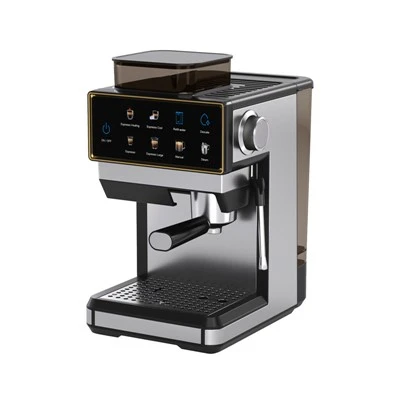
If you’re in the market for a thermoblock espresso machine—whether for home use, a small café, or a busy office—feel free to reach out to chat through what’ll work for your needs. I’ve helped so many people pick the right model that fits their usage and budget, and I’m happy to do the same for you. No pressure, no sales pitch—just real advice from someone who’s been in this a long time.
Boiler Espresso Machine References:
- International Coffee Organization. (2021). Home Espresso Machine Maintenance Best Practices.
- Specialty Coffee Association. (2022). Commercial Espresso Equipment Longevity Study.
- Coffee Tech Journal. (2020). Thermoblock Heating Element Durability in Residential vs. Commercial Use.
- Water Quality Association. (2019). Scale Buildup Impact on Small Heating Appliance Lifespan.
Foshan City Moccona Electric Co., Ltd.
With abundant experience, we are one of the leading manufacturers and suppliers of thermoblock espresso machine in China. We warmly welcome you to buy bulk durable thermoblock espresso machine from our factory. If you have any enquiry about cooperation, please feel free to email us.
Address: Room 202, Building 16, Tongde Intelligent Manufacturing Park (TDIMP), No.9 Guizhou Avenue East, Shangjia Community, Ronggui Street, Shunde District, Foshan City, Guangdong Province
E-mail: tim@mocconaelectric.com
WebSite: https://www.mocconaelec.com/
