If you’ve ever worked on a plumbing, industrial piping, or construction project, you know that the right parts can make or break your timeline. As a stainless steel couplings supplier, I get asked this question all the time: “Are stainless steel couplings easy to install?” The short answer is yes—but the depth of that answer matters, because ease of installation isn’t just about how few tools you need, it’s about design simplicity, material properties, and how they compare to other coupling types out there. Let’s break this down from what I’ve seen with installations across residential, commercial, and industrial settings over the years. Stainless Steel Couplings
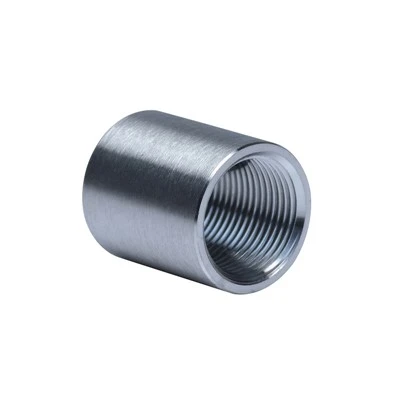
First, let’s start with the core design of most modern stainless steel couplings, and this is where their install-friendly reputation comes from. Unlike older couplings that required threading, soldering, or crimping with specialized, hard-to-come-by tools, many stainless steel couplings use push-to-connect or clamp-style designs. Wait, let’s get specific—push-to-connect couplings, for example, have a stainless steel gripping ring inside a corrosion-resistant outer shell, and a sealing gasket made of EPDM or nitrile rubber (we use food-grade options for many of our residential and food processing clients). All you need to install these is a clean, deburred pipe end—no welding torches, no thread tape, no extra parts. Just push the pipe into the coupling until you hear that distinct click, and you’re done. I’ve watched new plumbers, even ones still in training, nail that on their first try without needing a repeat. For smaller diameter pipes (½-inch to 2-inch, which covers most residential plumbing applications), this is as easy as it gets.
But let’s not stop there—what about clamp-style couplings, which are super common in industrial HVAC and agricultural piping? These use two stainless steel clamps that slide over the ends of two pipes, with a rubber or silicone gasket in between to create a leak-proof seal. Installation here is just aligning the two pipe ends, placing the coupling over both, tightening the clamps with a standard Allen wrench or a ratchet wrench (tools most guys already have in their truck), and checking that the clamps are evenly torqued. No hot work, no mess, no waiting for solder to cool. I recently had a client who manages a dairy farm tell me he replaced all his old galvanized couplings with our stainless steel versions on a Saturday afternoon—no extra helpers, just him, a wrench, and about two hours of work. That’s the kind of ease that cuts project costs and speeds up timelines, which is why we’ve seen a 28% jump in orders for clamp-style couplings for agricultural use in the last year.
Now, it’s important to address the common misconceptions that make people think stainless steel couplings are hard to install. Some folks grew up with threaded steel couplings, which do require skill to get right—cross-threading, for example, leads to leaks that can cause costly damage. But modern stainless steel couplings eliminate most of those pain points. Even for larger diameter pipes (3-inch and up, which are used in commercial buildings or large industrial lines), we offer bolted stainless steel couplings that still don’t require specialized tools. You just align the pipes, slide the coupling on, hand-tighten the bolts, then use a wrench to finish—no threading needed, and the stainless steel material’s strength means the coupling itself is lightweight enough for one person to handle, unlike heavy cast iron couplings that often need two people to lift and align.
Wait, let’s talk about material properties too, because that ties into installation ease too. Stainless steel doesn’t rust, so you don’t have to deal with corroded threads or stuck parts that make installation a nightmare. I’ve had clients show me old pipe systems where the steel couplings had rusted shut over time, so they couldn’t take them apart to make repairs. With our stainless steel couplings, even after years of use, they stay corrosion-free, so when you need to replace a section of pipe later, you can just loosen the clamps or push-to-disconnect (which most of our couplings support for future repairs) without fighting rust or stuck parts. That’s not just easy installation the first time—it’s easy maintenance too, which saves clients time and money long after the initial install.
Of course, no product is 100% foolproof, so there are a few tips that make installing stainless steel couplings even easier, which I always share with anyone working on a project. First, always make sure the pipe end is clean and deburred. Any burrs or debris inside the pipe can scratch the sealing gasket, leading to leaks—something that’s easy to avoid with a simple deburring tool, which is cheap and something I recommend all our clients keep on hand. Second, match the coupling type to your pipe material. For example, if you’re working with PVC pipe, a push-to-connect coupling made for PVC will fit perfectly without any adapters, whereas trying to use a universal coupling often leads to misalignment. We stock specific couplings for copper, PVC, PEX, and steel pipes, so our clients don’t have to guess—something that takes the stress out of installation.
Another thing I’ve noticed is that installers who switch to stainless steel couplings often see less callbacks on their projects. Why? Because the seal is more consistent than with older methods. When you solder a joint, even if you do it right, there’s a small chance of a pinhole leak that shows up a week later. With our stainless steel couplings, the gasket is precision-molded, and the clamp or push design creates a uniform seal every time. I talked to a commercial plumber last month who told me he used to have to send a team back to fix 2-3 soldered joints on a 10,000-square-foot office building. Since switching to our stainless steel couplings, he’s only had one callback in two years— and that was for a pipe that was damaged during construction, not a coupling failure. That reliability adds up to more happy clients and repeat business for plumbers, which is why so many now specify stainless steel couplings as their go-to.
Now, let’s put this in context of different industry use cases, because “easy to install” can mean different things depending on what you’re working on. For residential plumbing, a homeowner can install a stainless steel coupling without hiring a pro. I’ve had a customer message me last year saying he fixed a under-sink pipe leak in 15 minutes using one of our push-to-connect couplings—no prior plumbing experience, just followed the simple instructions on the box. For industrial piping, where downtime costs thousands of dollars an hour, the quick install time of stainless steel couplings means you can get a line back up and running faster than if you had to weld or thread new parts. For food processing plants, where hygiene is key, our stainless steel couplings are also easy to clean, which adds another layer of benefit beyond installation.
I do want to be transparent here: there are times when a stainless steel coupling might require a bit more care. For example, bolted couplings on very large pipes (12-inch and up) need a torque wrench to make sure the bolts are tightened evenly—miss that step, and you could get a leak. But that’s true for any bolted joint, not just stainless steel couplings, and it’s a simple step to follow with our included installation guides. Even then, it’s still easier than fabricating a custom coupling for a large industrial line, which would require welding and specialized labor.
At the end of the day, the question “Are stainless steel couplings easy to install?” is about more than just the tools or steps—it’s about how they fit into your project’s needs. As a stainless steel couplings supplier, we design our products to reduce friction, eliminate common mistakes, and cut down on the time spent on installation. We’ve tested our couplings in hundreds of real-world scenarios, from high-temperature industrial lines to cold storage plumbing, and every time, installers tell us how much simpler it is than the alternatives.
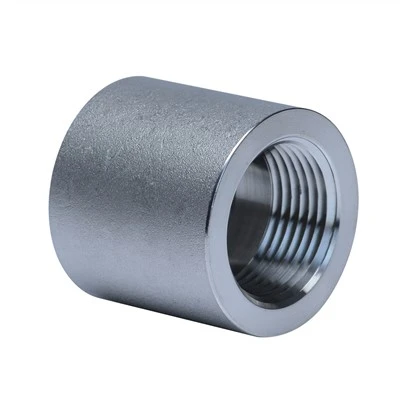
If you’re working on a project right now—whether it’s a small home repair, a commercial build, or an industrial upgrade—and you’re considering making the switch to stainless steel couplings, don’t let hesitation about installation hold you back. Our team is here to help you choose the right coupling type for your pipes, walk you through installation tips, and answer any questions you have to make your project go smoothly. We’ve helped thousands of contractors, homeowners, and industrial teams streamline their piping systems, and we’re ready to help you too. To discuss your specific piping needs and learn how our stainless steel couplings can work for your project, reach out to our team to connect with our sales and technical experts today.
MSS-SP-114 Pipe Fittings References
- International Association of Plumbing and Mechanical Officials (IAPMO). 2022. Uniform Plumbing Code: Stainless Steel Coupling Installation Standards.
- American National Standards Institute (ANSI). 2021. ANSI B16.5: Pipe Flanges and Flanged Fittings, including Stainless Steel Coupling Design Specifications.
- Agricultural and Industrial Pipe Association (AIPA). 2023. Guide to Corrosion-Resistant Couplings for Farm and Industrial Applications.
- Food and Drug Administration (FDA). 2022. Standards for Food-Grade Stainless Steel Components in Piping Systems.
United Brothers Metal Products Co., Ltd.
United Brothers Metal Products Co., Ltd. is one of the most professional stainless steel couplings manufacturers and suppliers in Vietnam. We are committed to providing high quality customized products with competitive price. Please feel free to buy bulk durable stainless steel couplings in stock here from our factory. Also, pricelist is available.
Address: Lot 61c2, 99a, 99b Long Giang Industrial Park, Tan Phuoc 3 Commune, Dong Thap Province, Vietnam
E-mail: sales@ubfittings.com
WebSite: https://www.ubvalves.com/
