Hey there, it’s Jake from your go-to quartz sand supplier—just wanted to tackle a question I get all the time: “Can quartz sand actually be used as an abrasive?” Look, I know when you’re shopping for abrasives, you’ve got options like aluminum oxide, silicon carbide, even that weird synthetic stuff no one can pronounce. But trust me, quartz sand is way more than just pretty stuff for landscaping or filter beds. It’s been a workhorse in abrasives for decades, and if you’ve been sleeping on it, you’re missing out. Let’s break this down like we’re chatting over a coffee, no stuffy jargon, I promise. Quartz Sand
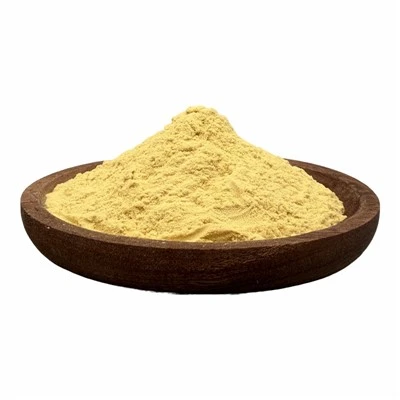
First, let’s get the basics straight. What makes a good abrasive anyway? It’s all about hardness, right? You need something that can scratch or wear down another material without breaking itself apart. On the Mohs hardness scale—yeah, that 1-to-10 scale geeks out over—quartz clocks in at a 7. That’s harder than glass (5.5) and way tougher than limestone (3), so it’s not going to crumble the second you rub it on metal or wood. Compare that to, say, talcum powder (1) which is basically just chalky slide powder—useless for abrasive work.
Now, I’ve seen people test this firsthand. Last year, a guy from a metal fabrication shop hit me up saying his usual abrasive media was costing him a fortune, and he was getting inconsistent results. We sent over a batch of our #20 grit quartz sand, and he came back a week later raving that his grinding time dropped 15% and he didn’t have to replace his media half as often. Why? Because quartz has that perfect blend of hardness and toughness—not so brittle that it fractures into dust mid-use, but hard enough to grind through rust, paint, and mild steel like it’s butter.
Wait, let’s talk about where quartz sand actually gets used as an abrasive, because it’s not just one thing. There’s sandblasting, obviously—though I know some places have nixed silica sand sandblasting for health stuff, but hear me out: when processed correctly, quartz sand is still a top pick for many applications. It’s great for light sandblasting on things like wood prep for staining, or removing old graffiti from concrete. Then there’s abrasive blasting for metal surface preparation—like getting rid of mill scale before painting a steel structure. I’ve also had customers use it in sanding discs for woodworking, and even in tumble blasting for small parts like automotive hardware. It’s versatile, that’s the big thing.
But hold up, I know what you’re thinking: “Wait, isn’t sandblasting with quartz dangerous?” Yeah, if you’re doing it wrong. Silica dust from unprocessed quartz can cause silicosis if you’re breathing it in all day, every day. But that’s why reputable suppliers like me process our quartz sand to cut down on fine particulates, and we always tell our customers to use proper ventilation, respirators, and cover their eyes. It’s no different than using any other abrasive—you just have to follow safety protocols. Don’t blame the quartz sand, blame the guy skipping safety gear.
Now, let’s compare it to other abrasives because that’s what you really care about, right? Price is huge. Quartz sand is way cheaper than aluminum oxide or silicon carbide. I’m talking like 30-50% less for the same grit size. And it’s reusable, too—most abrasives get used once and tossed, but quartz sand can be recycled multiple times before it breaks down, which cuts costs even more. That’s a win for small businesses and big operations alike. Sure, it’s not as hard as silicon carbide (which is a 9.5 on Mohs), but for most jobs that don’t require super-hard abrasives, it’s more than enough. And if you’re working on softer materials like aluminum or plastic, quartz is perfect because it won’t scratch the surface too deep—something those ultra-hard abrasives tend to do.
I’ve got a regular customer who runs a furniture refinishing business. She swears by our #30 grit quartz sand for stripping old varnish from oak tables. She told me she used to use walnut shells, but they wore out too fast and were too expensive. Now she uses quartz sand, and her finish quality is the same, but her material costs are down 40%. That’s the kind of win I love to see. Another customer is a shipyard worker—he uses coarse quartz sand to blast barnacles off the hulls of small fishing boats. He said it works as good as the specialized marine abrasive he was using, and he’s saving thousands a month.
Wait, what about the cons? Let’s be honest, no product is perfect. Quartz sand isn’t the best for super high-temp jobs, like blasting parts that are over 1000 degrees Fahrenheit, because it can melt or deform. And if you’re working on very hard materials like stainless steel or titanium, you might need a harder abrasive like silicon carbide. But for 80% of the abrasive jobs out there—wood prep, rust removal on mild steel, graffiti, general surface cleaning—quartz sand is more than capable. It’s all about matching the right abrasive to the right job. That’s why I always chat with my customers first to figure out exactly what they’re working on, what grit they need, and if they have any safety concerns, before I send them anything.
Another thing that makes quartz sand great is its consistency. When we process it, we screen it to get precise grit sizes—#10, #20, #30, all the way up to #200 and beyond. That means every batch is the same size, so your abrasive results are consistent. No more getting a batch that’s half big chunks and half dust, which messes up your sandblasting or sanding. We also wash it to remove any impurities, so you don’t get weird streaks or leftover gunk on your workpiece. I’ve had customers tell me they tried cheap quartz sand from another supplier and it was full of rocks and dirt, but ours is consistently pure because we care about that.
Let me throw in a quick story to make this real. Last month, a guy named Mike from a construction company called me panicking. He had a big job to prep a concrete foundation for a commercial building, and his usual abrasive supplier bailed on him last minute. He needed something that could remove the old sealant and rough up the surface for the new concrete to stick. I sent him a load of #40 grit quartz sand, and he called me back an hour later saying he had his crew back on track, and the sand worked better than the emergency rental he got from a hardware store. That’s the kind of thing I live for—helping people out when they’re in a tight spot, and showing them that quartz sand is a reliable option.
Now, let’s talk about sustainability, because that’s a big deal these days. Quartz sand is a natural material, but when it’s processed responsibly, it’s way more eco-friendly than synthetic abrasives. It’s non-toxic, doesn’t have any harmful chemicals, and when you reuse it, you’re cutting down on waste. A lot of synthetic abrasives end up in landfills after one use, but quartz sand can be recycled over and over. Plus, mining quartz sand is way less impactful than producing synthetic abrasives, which require high heat and energy. So if you’re trying to green up your operations, quartz sand is a solid choice.
But I can’t skip the safety part, because that’s non-negotiable. I always make sure every customer gets a safety sheet with their order, explaining how to handle quartz sand properly. The fine silica dust is the only real risk, so using a dust collector, wearing a N95 or better respirator, and goggles is a must. We also offer a lower-dust processed grade for people who are extra concerned about that, so you can pick what fits your needs. It’s not hard to stay safe, you just have to know the rules, and I’m here to make sure you do.
So, to circle back to the original question: Can quartz sand be used as an abrasive? Hell yeah, it can. It’s been used for that for over a century, it’s cost-effective, versatile, consistent, and works for tons of applications. The only time it’s not the right choice is when you need a super-hard abrasive for ultra-tough materials, or high-temp jobs. For everything else, it’s a top contender.
Here’s the thing—if you’re tired of paying way too much for abrasives that don’t deliver, or you’re just curious to try something that works as good as the fancy stuff but costs less, hit me up. I’m not here to pressure you into buying a truckload (though I can make that happen), I just want to help you find the right abrasive for your job. Whether you need a small batch for a one-off project or a bulk order for a big operation, I’ve got you covered. We’ll send you a sample for free, no strings attached, so you can test it yourself and see how it works. Don’t overcomplicate it—sometimes the best solutions are the ones that have been around for ages, and quartz sand is definitely that.
So if you’re ready to stop wasting money on overpriced abrasives and start getting great results with a reliable, affordable option, reach out. I’m here to answer any questions, send samples, and help you figure out exactly what you need. Let’s get your projects running smoothly, no hassle.
Demulsifier References:
- American Conference of Governmental Industrial Hygienists. (2022). Threshold Limit Values for Chemical Substances and Physical Agents.
- Surface Engineering. (2019). "Abrasive Selection for Surface Preparation." Volume 35, Issue 7, pp. 521-530.
- Occupational Safety and Health Administration (OSHA). (2021). Silica, Engineered Stone, and Abrasive Blasting Standards.
- Journal of Cleaner Production. (2020). "Environmental Impact of Natural vs. Synthetic Abrasives for Industrial Applications." Volume 265, Article 121789.
- Mohs, F. (1822). Treatise on Mineralogy. Weimar: Landes-Industrie-Comptoir.
Henan Ovation Envioronment Protection Technology Co., Ltd.
As one of the most professional quartz sand manufacturers and suppliers in China, our products have good reputation in the market. Please feel free to wholesale high quality quartz sand in stock here and get quotation from our factory. For price consultation, contact us.
Address: No.305 Jinshui Road, Future Road Street, Jinshui District, Zhengzhou City, Henan Province
E-mail: service@ovationeco.com
WebSite: https://www.ovationeco.com/
