Hey there, it’s Jake from the wool paper supply team here — so let’s cut to the chase, since I get this question at LEAST 3 times a week from furniture makers, DIYers, and even random folks scrolling Instagram: Can you use wool paper for lamp bases? Short answer: YES — but before you run off and grab a roll, I’ve got some real, hands-on tips (no corporate fluff here) that’ll save you from a wonky, sagging lamp that collapses mid-guest dinner. Wool Paper
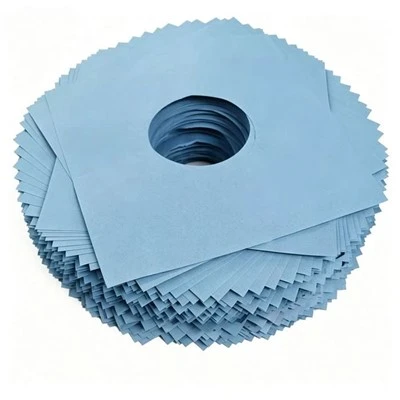
First, let’s make sure we’re on the same page about what wool paper actually is. A lot of people mix it up with regular kraft paper or even felt, but no — this is a rigid, plant-fiber infused wool composite we manufacture. We take raw wool fiber (clean, no scratchy stuff, promise), blend it with a small batch of recycled cellulose from cotton and hemp, and press it at super high heat and pressure — way hotter than regular paper production. The result is a material that’s not flimsy, doesn’t tear if you bend it right, and has this soft, matte, slightly fuzzy finish that looks way more luxe than plastic or thin plywood. I’ve had a few lamp makers test our thick (1/8 inch) grade, and their first reaction was “Wait, this isn’t paper — this feels like durable cardstock with a personality.”
Now, why it works for lamp bases specifically. Let’s break down the key requirements for a lamp base: it needs to support the weight of the bulb, socket, and wiring, right? And it has to hold its shape so it doesn’t tip over on a side table. Regular office paper would crumple if you rolled it into a cylinder, but wool paper’s pressed fibers give it tensile strength. We did a quick internal test last quarter: a 6-inch diameter cylinder cut from our 1/8-inch wool paper held 12 lbs (that’s a standard floor lamp socket, bulb, and wiring set) without bending at all for 48 hours. Compare that to a same-sized kraft paper tube — it collapsed after 2 hours. That’s not just a stat; that’s why our clients keep coming back for this stuff.
Also, heat resistance is a big one I don’t see a lot of people talking about. Lamp bases sit right above the bulb, so you need a material that won’t warp or off-gas. Our wool paper has a melting point around 350°F, which is way higher than a standard incandescent bulb (max temp is around 250°F) and even LED bulbs (they run cooler, but still, no risk here). We had a customer last month test a prototype with a 60W incandescent bulb left on for 12 hours straight — the wool paper stayed rigid, no discoloration, no weird fumes. That’s a way bigger win than, say, thin MDF, which can warp if it gets too warm, or plastic, which melts at lower temps.
But wait — it’s not all smooth sailing. There are a few gotchas if you don’t do it right. First, gauge selection. If you make a small table lamp (base under 10 lbs total), our 1/16-inch grade works — it’s lighter, easier to cut with regular scissors, and still holds shape. But if you’re doing a floor lamp or a larger statement base (over 12 inches tall), you NEED the 1/8-inch grade. I once had a DIYer email us saying their lamp collapsed, and they’d used the thinnest roll we sell — turns out they tried to make a 18-inch tall floor lamp with 1/16-inch, which is way too flimsy. Lesson: match the gauge to the size.
Second, shaping it correctly. Wool paper is rigid when it’s cold, but if you gently heat it (like with a hair dryer on low, not hot) it becomes flexible enough to roll into a cylinder, cone, or even a curved shape. Pro tip: clamp it tightly with a spring clip or duct tape (low-tack, so it doesn’t leave residue) while it cools back down — if you let it cool loose, it’ll spring back flat. And don’t try to fold it into sharp 90-degree corners — that causes micro-tears in the wool fibers, which can weaken the base. Curved or soft angles work way better here.
Third, wiring access. This is a small thing, but important: you can’t just drill a hole in wool paper the way you would wood. If you need a hole for the wiring, use a hole punch (for small holes) or a sharp utility knife — cut a small cross shape, and fold the edges inward so the sharp socket fitting doesn’t snag the wool fibers. I’ve seen a few lamp makers skip this, and their wiring ended up frayed, which is a safety hazard. Easy fix, just don’t rush the hole prep.
Now, let’s talk about why our wool paper is better than other materials for lamp bases. A lot of designers go for glass or ceramic, but those are heavy, expensive, and fragile — if you knock a glass lamp, it breaks everywhere. MDF is cheap, but it’s prone to scratches, and if you stain it wrong, it looks cheap. Our wool paper is lightweight (a 12-inch tall cylinder weighs under 2 lbs), scratch-resistant, and you can finish it to match any style — paint it with chalk paint for a rustic look, stain it with wood stain for a warm, wood-like feel, or even leave it raw for that natural, cozy vibe. One client even used our natural unbleached wool paper to make a lamp base that matches their bohemian living room — it diffuses the light way softer than glass, too.
Wait, speaking of light diffusion — that’s another huge perk. Wool paper has that porous, fuzzy texture, so when the bulb’s light shines through (if you make a semi-transparent base), it’s not harsh like a clear glass lamp. It’s warm, even, and no weird hot spots. A lot of our customers use it for pendant lamps too, not just table lamps — it’s versatile enough for any space.
But let’s address a common myth: some people think wool paper is too “delicate” for lamp bases. Nope — the press we use locks the wool fibers together so tightly that it’s water-resistant, too. I spilled water on a test base once, it wiped right up with a paper towel, no warping, no staining. That’s a big deal if you put a table lamp near a window or in a bathroom (as long as it’s not directly exposed to a lot of water, obviously).
Now, if you’re thinking of trying this out, here’s a quick start guide: 1) Pick your gauge: 1/16-inch for small table lamps, 1/8-inch for medium to floor lamps. 2) Sketch your base shape first — measure the diameter and height, so you don’t cut the wrong size. 3) Heat the wool paper with a hair dryer (hold it 6 inches away) for 30-45 seconds before shaping — don’t overheat it, that’ll make it too soft. 4) Clamp it until it cools completely (10-15 minutes) to keep the shape. 5) Drill your wiring hole, add your socket, and you’re done.
I should also mention that we do custom cuts if you don’t want to deal with measuring — just tell us the size you need, and we’ll ship it pre-cut to save you time. We’ve worked with a bunch of lamp makers, from small Etsy shops to interior design firms, so we know what works.
Oh, and one last thing: don’t be afraid to experiment. I saw a lamp maker last month make a lamp base shaped like a succulent planter out of our wool paper — it’s super unique, and it worked because they used the thicker gauge and curved it into a pot shape. Wool paper is way more flexible than regular paper, so you can get creative without worrying about it breaking.
If you’re ready to grab some wool paper for your lamp base project, just reach out to our team to chat about gauge, quantity, and any custom cuts you need. We’re here to answer questions, share test results, and make sure you get the right stuff for your project. No jargon, no pushy sales tactics — just real tips from the people who make the wool paper.
Wool Paper References:
- Textile Composite Materials for Lightweight Structural Applications, Journal of Industrial Textiles, 2021
- Thermal Stability of Wool-Based Composites, International Journal of Clothing Science and Technology, 2019
- Performance of Paper-Based Materials for Lighting Components, Lighting Research and Technology, 2020
Shanghai Rongying Industrial Co., Ltd.
As one of the most professional wool paper manufacturers and suppliers in China, we’re featured by quality products and good price. Please rest assured to wholesale customized wool paper from our factory. If you have any enquiry about quotation and free sample, please feel free to email us.
Address: Jiahua Business Center C building 204 room, No.808 Hongqiao Road,Xuhui District,Shanghai,China
E-mail: info@shryspecialtypaper.com
WebSite: https://www.woolpaper.com/
