If you’ve ever owned plastic reading glasses, you know how handy they are—lightweight, durable, and affordable for everyday use. But as a supplier of plastic reading glasses, I’ve heard the same complaint a hundred times: “My lenses get smudged, and I’m scared to clean them because I’ll scratch them.” It’s a valid worry. Plastic lenses (most commonly polycarbonate or acrylic) are softer than glass, so harsh cleaning can leave permanent marks that blur your vision. Over the years, I’ve tested dozens of cleaning methods, worked with optometry labs, and even asked regular customers what works for them. Today, I’m sharing the science-backed steps to clean your plastic reading glasses safely, plus mistakes to avoid and pro tips that make a big difference. Plastic Reading Glasses
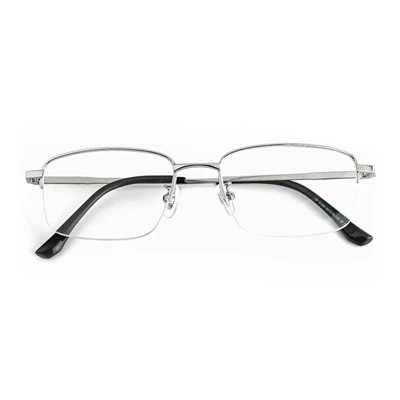
First, let’s get one key fact straight: the biggest threat to plastic lenses isn’t smudges—it’s the “micro-scratches” you can’t see at first. When you rub a dirty lens with a dry cloth, small dust particles act like tiny sandpaper, scraping the soft plastic surface. Those scratches build up over time, turning your clear lenses into a foggy, hard-to-focus mess. Glass lenses are sturdier, so they can handle more rough cleaning, but plastic needs a gentler approach. That’s why I always tell customers: skip the paper towels, shirt fabric, or generic cleaning sprays meant for glass.
Let’s start with the right supplies. You don’t need fancy, expensive products. The basics are a lens-friendly cleaner, a microfiber cloth made specifically for eyewear, and lukewarm water. Wait—water? Yes, most people don’t use enough water. A quick rinse first loosens the grime so you don’t rub it around. I’ve seen customers use dish soap too, but only plain, fragrance-free, mild dish soap (like Dawn Original, which has no added moisturizers or dyes). If you don’t have dish soap, some optometrists recommend a 50/50 mix of rubbing alcohol and water, but I prefer plain dish soap because it’s gentler on the anti-reflective (AR) coatings that most plastic lenses have these days. AR coatings are thin and can flake off if exposed to harsh chemicals.
Now, step-by-step cleaning that’s safe for your plastic reading glasses. First, rinse the lenses thoroughly under lukewarm (not hot!) tap water. Hot water can degrade AR coatings or warp the plastic frame, so stick to room temperature. Hold the glasses by the bridge when rinsing—don’t pull the temples, that can stretch the frame or loosen the screws. Next, add a tiny drop of dish soap to each lens (just a drop, not a lot) and gently rub the back and front of the lens with your fingertips. This is where most people mess up: don’t press hard. The soap will break down oil from your skin, makeup, or dust, so a light rub is all you need. Rinse again to wash off all soap—if you see suds, you missed a spot.
Then comes drying. Here’s the non-negotiable part: never dry with a paper towel, toilet paper, or a regular cotton t-shirt. Paper towels have wood pulp fibers that are coarse and full of abrasive particles, even if they feel soft. Regular t-shirts can have lint or rough threads that scratch plastic. The only cloth you should use is a microfiber eyewear cloth. These cloths are made of tiny, woven polyester and nylon fibers that trap dust without scratching. If you don’t have an eyewear cloth, a lint-free cleaning cloth from a computer or phone store works in a pinch, but a dedicated one is best. To dry, pat the lens gently, don’t rub. Rubbing creates friction that can scratch. Just press the cloth to the lens and lift, repeating until it’s dry.
Now, what about when you’re on the go and don’t have access to water? A lot of customers ask me this, because smudges happen at coffee shops, in the car, or at work. A common trick is using a lens cleaning spray, but not all sprays are created equal. Avoid sprays that have ammonia, bleach, or alcohol—these can damage AR coatings and plastic over time. Look for sprays labeled “for plastic lenses” or “anti-reflective coating safe.” If you can’t find that, a quick fix is the same microfiber cloth, but first blow on the lens to dislodge any loose dust particles. Blowing removes the grit so you don’t rub it into the lens. I carry a small can of compressed air (the kind used for keyboards) in my bag when I’m out, which is perfect for blasting away loose dust before using a cloth.
Now, let’s talk about the biggest mistakes that cause scratches, because even small mistakes add up. First, using your shirt as a cleaning cloth. I’ve seen customers wipe their glasses on a cotton sweatshirt, and within a month, their lenses have tiny, invisible scratches that make reading feel blurry. Second, using dry paper towels. I once tested this: I wiped a plastic lens with a single paper towel, and under a microscope, you could see hundreds of micro-scratches. That’s not visible at first, but after a few weeks of that, the lens is ruined. Third, leaving your glasses on car dashboards or in hot places. High heat softens plastic lenses, so even a tiny grain of dust can scratch the surface when you touch it. If your glasses get hot, let them cool down before cleaning—you don’t want to melt or scratch a soft lens. Fourth, using household cleaners like window spray (Windex, for example). Windex has ammonia, which eats away at AR coatings and can cause plastic to yellow over time. I’ve had customers come back with plastic reading glasses that look foggy because they used Windex, and there’s no way to fix that.
Pro tips that I’ve learned from years of working with plastic reading glasses. First, invest in a hard case when you’re not wearing them. A lot of customers keep their glasses in their purse with keys, pens, and other small items. Those keys scratch the lenses! A hard case with a soft interior lining keeps them safe. I always include a free microfiber cloth and a hard case with every order from my company, because I want customers to have the supplies they need to care for their glasses. Second, clean your glasses regularly, not just when they’re smudged. Oil from your skin builds up on lenses every day, even if you don’t touch them. If you wait until they’re really smudged, you’re more likely to rub hard and cause scratches. A quick clean every 2-3 days is enough for most people. Third, if your lenses have anti-reflective coatings, avoid touching the lens surface with your fingers. The oil from your skin can damage the coating, and touching them too much means more cleaning. I always remind customers to hold their glasses by the temples or the bridge, not the lenses. Fourth, if you do get a small scratch, don’t try to buff it out with toothpaste or baking soda. That’s a common myth, and it actually makes scratches worse. Toothpaste is abrasive, so it will create more scratches on the plastic surface. If the scratch is really bad, it’s time to replace your glasses—plastic reading glasses are affordable enough that it’s not worth trying to fix a scratched lens.
Wait, let’s test this with a real customer story. A few months ago, a customer reached out to me saying her plastic reading glasses were scratched, and she thought the cleaning method was the problem. She’d been wiping them with a paper towel every morning. I sent her a free microfiber cloth and walked her through the cleaning steps. A month later, she sent me a photo of her glasses, saying the smudges were gone and no new scratches had appeared. She told me she used to replace her glasses every 6 months, but now they’re still clear after a year. That’s the kind of result I want for every customer.
Another thing to note: not all plastic lenses are the same. Some higher-quality plastic lenses have scratch-resistant coatings built in, which are designed to stand up to regular cleaning. Even with those, though, you still need to be gentle. The scratch-resistant coating is thin, and harsh cleaning can wear it off over time. If you have budget plastic reading glasses, like the ones many people buy for everyday use, they don’t have scratch-resistant coatings, so you need to be extra careful. That’s why I always tell customers to check their product details: if it says “scratch-resistant,” it can handle a little more, but still avoid rough cleaning.
Let’s sum up the safe cleaning routine in a simple way, so you can remember it: 1. Rinse with lukewarm water first to remove loose dust. 2. Add a drop of mild, fragrance-free dish soap (no harsh chemicals). 3. Gently rub the lens with your fingertips—no hard pressure. 4. Rinse again to wash off all soap. 5. Pat dry with a microfiber eyewear cloth. 6. Store in a hard case when not in use. That’s it. It takes 30 seconds, and it keeps your lenses clear and scratch-free.
Now, let’s address a common question: can I use lens cleaner wipes? Yes, as long as they’re designed for plastic lenses. Some lens wipes are pre-moistened with a safe solution, which is great for on-the-go cleaning. Just make sure the wipes don’t have alcohol or ammonia. I’ve tested a lot of wipes, and the best ones for plastic reading glasses are the ones made specifically for eyewear, not for screens or glass.
At the end of the day, caring for plastic reading glasses doesn’t have to be complicated. The biggest mistake people make is thinking that because the lenses are plastic, they can handle tough cleaning. But plastic is softer than glass, so it needs gentle care. As a supplier, I want every customer to get the most out of their plastic reading glasses, and knowing how to clean them without scratching is a huge part of that.

If you’re looking for high-quality plastic reading glasses that are designed to last, and you want to chat about care tips or place an order, feel free to reach out to our team. We’re always here to help with questions about cleaning, fit, and choosing the right pair for your needs.
Plastic Reading Glasses References:
- American Optometric Association. “Proper Care of Your Eyeglasses.” 2022.
- Vision Council. “Cleaning and Maintaining Eyewear: Best Practices for Plastic Lenses.” 2021.
- Journal of Biomedical Materials Research. “Durability of Anti-Reflective Coatings on Polycarbonate Lenses.” 2019.
Danyang Boyue Optical Glasses Co., Ltd.
As one of the leading plastic reading glasses manufacturers and suppliers in China, we warmly welcome you to buy bulk cheap plastic reading glasses for sale here from our factory. All customized products are with high quality and competitive price. Contact us for pricelist and free sample.
Address: Boyue Optical Glasses, No. 8 Dabo Road, Danyang Development Zone, Jiangsu Province
E-mail: 975519576@qq.com
WebSite: https://www.cnboyue.com/
