Hey everyone, thanks for stopping by the blog. Today I want to tackle a question I get a lot as a flexible pallet supplier – can flexible pallets even work in the glass products industry? Let’s cut to the chase: if you’re in glass manufacturing, packaging, or logistics, you know how critical it is to move fragile, heavy glass without a single crack, chip, or scratch. And flexible pallets, the collapsible, reusable ones we sell, have been game-changers for so many industries – but glass felt like a hard nut to crack… until recently. Flexible Pallet
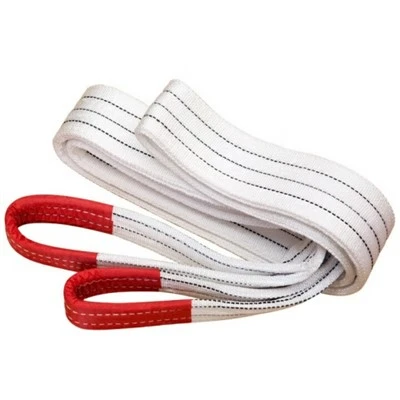
First, let’s get on the same page about what flexible pallets are here, because “flexible” gets thrown around a lot. These aren’t the flimsy plastic mats you use to line a shelf. We’re talking heavy-duty, stackable (when collapsed), UV-resistant polypropylene pallets with reinforced corners, sometimes with tie-down loops or anti-slip mats on top. They’re designed to hold heavy loads, fold flat when empty to cut storage costs, and last for thousands of cycles – way longer than wood pallets, which we all know get splintered, moldy, or destroyed in a dozen uses.
Now, glass products range from small things like mason jars and wine glasses to big stuff – think automotive windshields, architectural glass panels, or even tempered glass for phone screens. Each has unique challenges, and I’ve seen flexible pallets work for almost all of them, once we adjust for glass-specific needs. Let’s start with the small-to-medium glass stuff first – the consumer goods side. I had a craft distillery client last year who switched from wooden crates to our flexible pallets for their glass bottles. Their old setup: wooden crates that were heavy, hard to store empty (they’d stack them three high in a warehouse, and the bottom ones would warp under the weight), and every delivery had 2-3 broken bottles per pallet from rough handling.
With our heavy-duty flexible pallets, they line the top with a custom-fitted foam insert (we can add that as an add-on) that keeps each bottle separated. The pallets hold up to 1,500 lbs, which is more than enough for 20 cases of wine bottles. Since they’re flexible, when the pallet is loaded, you can adjust the tie-downs snugly without putting pressure on the glass – wood pallets have rigid slats that can press on edges, but flexible pallets give a little. The distillery cut their breakage rate by 85% in the first six months, and empty pallets take up 70% less space when folded. That’s not just a win for them – that’s less waste from broken glass, which is a big deal for sustainability goals, right?
But wait, what about the big glass? Like automotive windshields, which are huge, fragile, and have irregular shapes. For a while, people wrote off flexible pallets here because they thought they couldn’t support uneven, heavy loads. But we’ve adapted. We make custom-sized flexible pallets that fit exactly the dimensions of a windshield or a set of architectural glass panels, with molded recesses that cradle the glass’s curved edges. The anti-slip surface on the pallet means the glass doesn’t slide during transport, and the flexible structure absorbs the tiny jolts from forklift moves or truck bumps that would chip glass on rigid pallets.
I worked with a regional auto parts distributor last quarter that was using wooden skids for windshields. Their problem: wood absorbs moisture from warehouse floors, which can cause edge corrosion on windshields over time, and wooden skids get damaged by forklifts all the time – sometimes a forklift will nick the wood, and a sharp splinter will scratch a windshield. We supplied them with 50 custom flexible pallets, and within three months, they hadn’t had a single edge corrosion issue or scratch from the pallet. Plus, they can fold the pallets flat and store them under the workbench when not in use, instead of taking up an entire bay for empty wooden skids. That’s a huge space saver for small distributors.
Now, let’s talk about the gotchas because I’m not here to sell you something that doesn’t work. The glass industry has unique requirements that you can’t ignore. First, load stability. Glass is heavy, so you can’t overload a flexible pallet. We cap the load for our glass-specific pallets at 2,000 lbs – that’s enough for most large glass loads, but if you’re trying to stack too much, the flexible structure can bow, which might cause the glass to shift. Second, surface protection. Even the heaviest plastic pallet can have rough spots if it’s worn out. That’s why we always recommend adding a layer of food-grade (or industrial-grade, depending on your glass type) protective liner for glass – even small scratches on a window or a wine glass can ruin a product. Third, cleaning. Glass manufacturing facilities get dusty, and you don’t want dust particles scratching your products. Our flexible pallets are made of non-porous plastic, so you can hose them down or run them through a sanitizer machine – way easier than wooden pallets, which can trap dust and bacteria.
Wait, another thing people ask: reuse. Is a flexible pallet more cost-effective than one-way packaging for glass? Let’s do quick math. A standard wood pallet for glass costs about $12, and it lasts 3-5 uses before it’s too damaged. A flexible pallet from us costs about $45, but it lasts 1,000+ uses. So after 12 uses, the flexible pallet is already cheaper per use than wood. And if you’re shipping glass cross-country, the cost savings add up fast – not just for the pallet, but for less broken products. One of my commercial glass clients told me they save over $15,000 a year in breakage costs alone since switching. That’s money you can put back into your business, right?
Also, sustainability. The glass industry is already big on recycling – glass bottles are 100% recyclable, no limit. But flexible pallets are also recyclable. When a pallet finally wears out, we take them back and turn them into new pallets, so there’s almost no waste. Compare that to wooden pallets, which often end up in landfills because they’re too damaged to recycle. Plus, the reduced storage space means you need fewer warehouse trucks for moving pallets, which cuts down on carbon emissions. That’s a big selling point for companies targeting green certifications.
Let me also mention some case studies I’ve had recently, because anecdotes help. Last month, a small art glass manufacturer reached out to me. They make custom stained glass for homes, each piece is unique and super fragile, with uneven edges. They were using styrofoam crates that were expensive to dispose of and often got crushed during delivery. We supplied them with custom-sized flexible pallets with soft, padded tie-downs, and they now ship 20% more pieces per pallet because the flexible structure lets them fit pieces tightly without breaking them. They said their customer complaints about broken glass dropped to zero in two months.
Another one: a glass bottle recycler, believe it or not. They use flexible pallets to transport bulk glass bottles to recycling facilities. The pallets hold the loose bottles securely, and when they get to the facility, they just tip the pallet and the empty bottles slide right out. No need to unstack each crate one by one, which saves time and cuts down on broken bottles during unloading. That’s a use case I didn’t even think of at first, but it makes total sense.
Now, are there any limitations? Yeah, mostly for extremely large, flat glass panels over 10 feet long. You can use flexible pallets for that, but you need extra support beams to prevent the pallet from sagging. Also, if you’re loading glass in extreme cold or heat – like transporting glass from a furnace where it’s still hot – you need a special heat-resistant coating on the flexible pallet, which we offer. So it’s not a one-size-fits-all, but we can customize almost any flexible pallet to fit a specific glass product.
I know it can be scary switching from a system you’ve used for decades. A lot of glass companies are set up with wooden crates and rigid skids, so change takes time. But the feedback from everyone I’ve worked with in glass has been positive. The key is to talk to someone who knows both flexible pallets and the glass industry – not a generic supplier, but someone who understands the breakage risks, the load requirements, and the storage needs specific to glass.
If you’re in the glass industry – whether you’re a manufacturer, distributor, or retailer – and you’re tired of broken products, high pallet costs, or wasted space, this is worth checking out. I’ve worked with all sizes of glass businesses, from small art glass shops to big automotive glass companies, and I can help you figure out the right flexible pallet setup for your products. No pressure, no sales pitch – just an honest chat about what’s worked for other people in the same boat as you.

If you’re ready to talk through your needs, or just have questions, reach out. We can go over load capacities, customization options, cost comparisons, whatever you need. Stop dealing with broken glass and inefficient packaging – let’s find a flexible pallet solution that works for your glass products.
Aluminum Foil Pouch References:
- Material Handling Industry Association. (2022). Flexible Pallet Applications in Fragile Goods Logistics. MHIA Publication Series.
- Glass Packaging Institute. (2021). Sustainable Packaging Solutions for the Glass Industry. GI Technical Report.
- International Warehouse Logistics Association. (2023). Reusable Pallet Cost-Benefit Analysis for Specialty Goods. IWLA Industry Whitepaper.
Heze Jinniu Plastics Co., Ltd.
As one of the most professional flexible pallet manufacturers in China, we have world-leading production equipment and strong manufacturing capabilities. Please rest assured to wholesale bulk high quality flexible pallet for sale here from our factory.
Address: South section of Renmin Road, Heze City, Shandong Province
E-mail: lishaobin2379@163.com
WebSite: https://www.jnbulkbags.com/
