If you’ve ever shopped for diamonds, you’ve probably wondered at some point: are rough diamonds cheaper than polished diamonds? The short answer is yes, but that simplicity hides a tangled web of mining costs, cutting losses, market demand, and the unique value each type of stone carries. As someone who’s been a rough diamond supplier for over a decade—first working on the line in a Botswana mine, then building relationships with cutters and jewelers across India and Europe—I’ve seen firsthand how the gap between rough and polished prices isn’t just a markup; it’s a reflection of every step a stone takes before it lands on a consumer’s finger. Rough Diamond
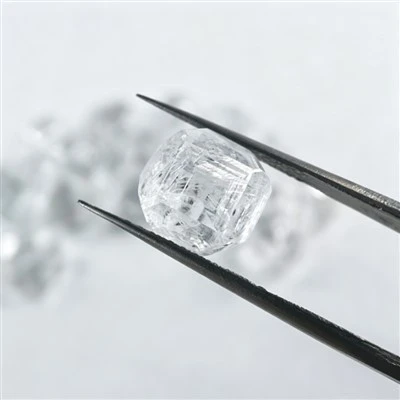
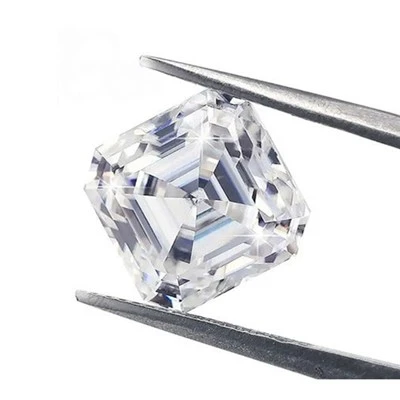
Let’s start with the basics: what even is a rough diamond? It’s the unprocessed stone pulled from the earth, still embedded in kimberlite or alluvial rock, with no shaping, polishing, or grading beyond a rough estimate of its carat weight, color, and clarity. Polished diamonds, by contrast, are rough stones that have been cleaved, sawed, shaped, and buffed into the symmetrical, sparkling gems you see in engagement rings, necklaces, and earrings. The difference in cost between the two is where it gets interesting, and where most buyers get confused.
When I first started in the industry, I thought the price difference was just a cut and polish fee. That’s a fair first guess, but it’s way more complicated. Mining companies don’t sell rough diamonds at a simple per-carat markup; they sell them at auctions or tenders based on a rough estimate of their value, and that estimate already factors in all the work to pull them out of the ground. Then, when a cutter buys a rough stone, they have to account for a huge loss: on average, only 40 to 60 percent of a rough diamond becomes polished. The rest is sawdust, small chips, and offcuts that are sold as industrial diamonds, worth a fraction of the final gem. For a large, high-quality rough stone, that loss can be even bigger. A 5-carat rough diamond might only yield 2.5 carats of polished stone, which means the cutter has to sell that 2.5 carats for enough to cover the cost of the 5-carat rough, plus labor, tools, and their own profit.
Let’s use a real example I saw last year. A 1-carat, near-colorless (G color), VVS2 clarity rough diamond sold for $2,800 at a regional rough tender. A cutter bought it, spent two days cutting and polishing, and ended up with a 0.75-carat polished stone. The retail price of that polished stone was $4,200. So the rough cost was $2,800, the polished was $4,200—so in this case, the rough was almost a third cheaper than the polished. But that’s not the whole story: the cutter had to pay for a polishing wheel, a laser saw, and a team’s time that week, plus insurance and storage. By the time they sold the polished stone to a wholesaler, they might have gotten $3,200, which covers their costs and leaves them with a small margin. That’s why rough diamonds are cheaper, but not as cheap as you might think if you only look at the final retail price.
Another big factor: supply and demand for polished diamonds. The diamond industry has spent decades building a brand around polished stones, marketing them as symbols of love, commitment, and luxury. Rough diamonds, by contrast, are mostly sold to cutters, jewelers, and a small number of consumers who prefer the unprocessed look, or who want to cut their own stones (a niche but growing hobby). When polished diamond demand is high—like around engagement ring season, or during holiday shopping—polished prices go up, which makes the gap between rough and polished even wider. If demand for polished drops, both prices fall, but the rough price usually drops more, because there’s less secondary demand for uncut stones.
I’ve also seen that the price gap depends a lot on the type of rough diamond. Smaller rough stones, less than 0.5 carats, are often more expensive relative to their polished counterparts. Why? Because cutting a small rough doesn’t save much on labor, but the loss of carat weight is a bigger percentage. A 0.5-carat rough might yield only 0.3 carats of polished, so the per-carat cost of the polished is way higher than the per-carat cost of the rough. For larger stones, over 2 carats, the gap can narrow. A 5-carat rough diamond might yield 3.5 carats of polished, so the per-carat price of the rough and polished can be much closer. That’s why many custom jewelers work with large rough stones: they can get a good deal on the rough, and the final polished stone is still a high-quality, big stone that they can sell for a solid margin.
Wait a second—does that mean buying rough diamonds is always a better deal? Not necessarily, and I’ve seen so many buyers make that mistake over the years. The biggest risk with rough diamonds is that you don’t know what you’re getting until you cut it. A rough stone might look perfect: it has a nice shape, a clear color, no obvious flaws. But when a cutter starts sawing into it, they might find an internal inclusion that they couldn’t see from the outside, or a crack that makes the stone split unevenly. That can mean losing 20 or 30 percent of the carat weight, or even ruining the whole stone. I had a customer a few years back who bought a 2-carat rough stone from a non-specialist, thinking he’d save $5,000, only to have the cutter find a large internal flaw mid-cut. The final polished stone was only 1.2 carats, and he ended up spending more total than if he’d just bought the polished one.
That’s where working with a reputable rough diamond supplier matters. We do pre-grading: we use 10x magnification, UV light, and X-ray technology to look for internal flaws, cracks, and inclusions before we sell a stone. We also know how to estimate yield, so we can price a rough diamond fairly, not just based on its initial carat weight. For example, a rough stone that has a natural cleavage plane (a line where it’s likely to split easily) will be priced lower than a similar stone without that flaw, because the cutter has a higher risk of losing part of the stone during cutting. A reputable supplier will also tell you if a rough stone is better suited for a round brilliant cut, an emerald cut, or a custom shape, so you can get the most value out of it.
Another common question I get: are conflict-free rough diamonds cheaper than polished? That’s a big one, especially with modern consumers. The Kimberley Process, the global system to prevent conflict diamonds, applies to both rough and polished diamonds, but rough diamonds have a more direct traceability. A polished diamond’s origin is often only traced back to a wholesaler, but a rough diamond can be traced all the way back to the mine it came from. Does that add cost? Sometimes, but in my experience, the premium for conflict-free rough diamonds is much smaller than you might think—usually 5 to 10 percent, compared to the premium for conflict-free polished diamonds, which can be 15 to 20 percent. That’s because fewer middlemen are involved in rough diamond traceability, so the cost of verifying origin is lower.
I’ve also seen the market for rough diamonds grow a lot in the last five years. More consumers are curious about where their jewelry comes from, and they don’t want to pay for a brand name or decades of marketing that adds to the polished price. Rough diamonds offer a transparent alternative: you can see the stone before it’s cut, work with a cutter to choose a custom shape, and know exactly where it came from. That transparency is a big part of why the gap between rough and polished is starting to shift. As more buyers move away from traditional polished diamonds, demand for high-quality rough stones is going up, and that’s narrowing the price gap in some segments.
Let’s circle back to the original question: are rough diamonds cheaper than polished diamonds? For most stone sizes and grades, yes, by 20 to 50 percent per carat. But that’s a rough average, and it depends on so many factors: the stone’s size, clarity, color, the cost of cutting and polishing, demand, and the supplier’s expertise. The key takeaway is that the price difference isn’t just a markup—it’s the cost of the work that goes into turning a raw mineral into a sparkling, consumer-ready gem.
If you’re considering buying rough diamonds, don’t just look at the per-carat price. Ask your supplier about yield estimates, pre-grading results, and traceability. If you’re a jeweler looking to add custom pieces to your inventory, or a consumer looking for a unique, conflict-free stone for an engagement ring or special occasion, working with a trusted rough diamond supplier can save you money and give you a more transparent, personal experience.
I’ve been in this industry for long enough to know that there’s no one-size-fits-all answer to the rough vs. polished price question. But what I can tell you is that when you work with someone who understands the ins and outs of mining, cutting, and fair pricing, you get a better value, a better stone, and peace of mind. If you’re ready to explore rough diamonds for your next project, we’re here to help. Reach out to us to discuss your needs, whether you’re a jeweler looking for bulk rough stones, a custom cutter, or a consumer looking for a one-of-a-kind stone.
Diamond Ring References:
- Kimberley Process Certification Scheme, 2023
- Diamond Cutting and Polishing Industry Report, International Diamond Federation, 2022
- Rough vs. Polished Diamond Pricing Trends, Gemological Institute of America, 2021
- Global Diamond Supply and Demand Report, Bain & Company, 2022
- Conflict-Free Diamond Traceability Standards, Responsible Jewellery Council, 2023
Hongkong Jingcan Crystal Craft Limited
Hongkong Jingcan Crystal Craft Limited is one of the most experienced rough diamond manufacturers and suppliers in China. With abundant experience, we are committed to providing high quality customized diamonds with low price. Please rest assured to wholesale bulk classy rough diamond in stock here and get quotation from our factory. 3 years warranty is available.
Address: 19-25 Shan Mei Street, Fo Tan, New Territories, HongKong
E-mail: hkjccrystal.cheungkong@gmail.com
WebSite: https://www.hkjcdiamond.com/
