If you’ve ever worked with aluminum alloys, chances are you’ve heard of 7000-series grades, but let’s cut to the chase: 7443 aluminum is one of the unsung workhorses of that group, and if you’re here, you’re probably wondering what it’s actually used for, or why so many engineers and manufacturers specifically hit me up for it, especially when they need a reliable 7440 alternative. Let’s break this down like we’re geeking out at a manufacturing shop floor, no stuffy textbook jargon—promise. 7440 / 7443
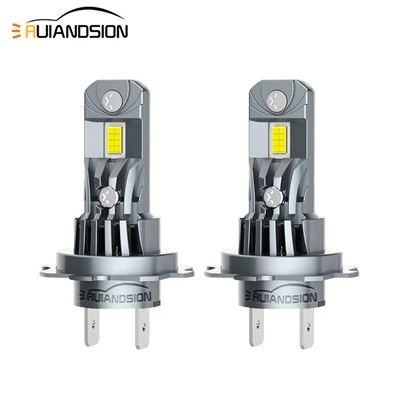
First, a quick real-talk primer on what makes 7443 different from other aluminum alloys, because that’s why its uses are so specific. It’s a wrought aluminum alloy, meaning it’s shaped by rolling, forging, or extrusion (not just cast and poured), and its main superpower? It’s got high zinc content (that’s what puts it in the 7000-series, the strength-heavy crew) with smaller amounts of magnesium and copper. The secret sauce is the way those elements bond during heat treatment: it hardens way better than 6061 (the go-to general-purpose aluminum everyone uses) and doesn’t get as brittle as 7075, which is super strong but can crack if you bend it too far. That balance—strength + formability + corrosion resistance—is why it’s such a big deal for a handful of niche, high-stakes industries, not just random stuff.
Let’s start with the industry that actually made 7443 famous in the first place: aerospace. Wait, you’ve probably seen aerospace parts, but most people don’t notice the tiny, critical components that keep a plane safe mid-flight. 7440 is super popular for aircraft structural parts, but 7443 fills a gap: it’s easier to machine than 7440, so manufacturers can turn it into things like wing flap hinges, hydraulic line fittings, and the brackets that hold avionics panels in place. Let me explain why that matters: if a part is in a plane, it can’t be too heavy (aluminum is way lighter than steel, duh) and it can’t fail mid-turbulence. I’ve had aerospace engineers hit me up specifically for 7443 because it can handle repeated stress cycles—like a wing flap moving up and down thousands of times a flight—without warping or snapping. Also, it doesn’t corrode as fast as other high-strength aluminums when exposed to jet fuel and moisture at 30,000 feet, which is a non-negotiable for FAA certifications. One thing most guys don’t know: 7443 is also used for some satellite components, too. Satellites have to survive launch vibration (that’s intense—think a rocket shaking so hard your tools fall off the wall) and then extreme temperature swings in space. 7443’s strength-to-weight ratio beats out titanium for small parts, and it’s way cheaper, so it’s a go-to for satellite brackets and antenna mounts.
Next up, automotive manufacturing—especially electric vehicles (EVs), which is a huge growth area right now, so you’re hearing 7443 talked about more than ever before. Old-school gas cars used a lot of steel for parts, but EV makers are obsessed with cutting weight to boost battery range, and aluminum is perfect for that, but not just any aluminum. 7443 is a rockstar here because it’s great for extrusions, which is how a lot of modern EV chassis parts are made. Let’s name the key uses: first, battery casing components. Wait, EV batteries are heavy, and the casing has to protect those expensive cells from impact and heat, but also not add unnecessary pounds. 7443 is strong enough to handle minor crashes (like potholes or low-speed fender benders) and it’s thermal conductive, so it helps dissipate heat from the battery—super important because overheating kills battery life. I’ve worked with a few EV startups that switched from 6061 to 7443 for their battery end plates; they told me they got 15% better impact resistance with only a 3% weight gain, which is a no-brainer for range. Another automotive use? Brake system parts. 7443 is resistant to the heat and grime that brakes put out, so it’s used for caliper pistons and brake line fittings. Most people don’t realize brake parts can’t rust, and 7443 holds up way better than cast iron in wet, salty road conditions (especially in states that salt roads in winter). I even got a request last year from a high-performance car maker for 7443 steering knuckles—they said it was lighter than steel and didn’t flex at high speeds, which improved handling.
Wait, let’s not sleep on the precision manufacturing and tooling space. A lot of people forget that aluminum alloys aren’t just for big parts; they’re used for jigs, fixtures, and custom tooling that machinists use every day. 7443 machines smoother than 7075, so if you’re making a custom part that needs tight tolerances (like within 0.001 inches), it won’t wear out your cutting tools as fast as harder alloys. I’ve had a tool and die shop guy tell me he switches to 7443 for production jigs because they last twice as long as 6061 jigs, and he doesn’t have to replace end mills every other day. Also, for things like CNC router parts—especially the spindle housings—7443’s vibration dampening is better than other high-strength aluminums, so your cuts are more precise. That’s a big deal for small-batch manufacturers who can’t afford to waste material on bad cuts.
Another underrated use: consumer electronics and industrial equipment. Let’s talk about things like laptop enclosures? No, wait, those are usually 6061 or even magnesium. But what about the internal components of high-end audio gear—like the chassis for a high-precision turntable or a studio monitor? Those parts need to be rigid to prevent vibration from messing up sound quality, and 7443 is perfect because it’s stiff but not too heavy, so audio engineers love it. Also, industrial robotics: the arms that move factory parts around have to be strong enough to lift heavy items, but light enough to move quickly without wasting energy. 7443 is used for robot joints and end-of-arm tooling (EOAT) because it can handle the repeated motion without wearing out, and it’s corrosion-resistant enough to work in food processing plants or chemical factories. I even had a client that makes medical devices—they use 7443 for surgical instrument handles, because it’s easy to sterilize (can handle autoclave heat) and doesn’t break down from repeated cleaning chemicals. That’s a big one, because medical parts can’t leach chemicals or rust, and 7443 checks both boxes.
Now, let’s get real about when 7443 isn’t the best fit, because no alloy is one-size-fits-all. You wouldn’t use it for a soda can (that’s 3003 aluminum, soft and formable), and you wouldn’t use it for a structural bridge (that’s 6061, cheaper and easier to weld). Also, it’s not as weldable as 6061—if you try to weld it without prepping it right, it can crack. That’s why most of its uses are for parts that get machined, extruded, or forged, not welded together. And it’s more expensive than 6061, so you only use it when you need that extra strength or durability.

If you’re still reading, chances are you’re either a procurement person looking for a reliable 7443/7440 supplier, an engineer trying to pick the right alloy for a part, or someone who just got curious about what all the 7443 talk is about. Here’s the thing: I’ve been supplying 7443 and 7440 for over a decade, and I’ve seen firsthand how this alloy fills that weird sweet spot that no other aluminum can. It’s not the flashiest alloy, but it’s the kind that keeps planes flying, EVs on the road, and factories running smoothly. If you’ve got a project where you’re wondering if 7443 is the right fit, or if you’re ready to source some material, hit me up to chat through your specific needs—no sales pitch, just honest talk about what will work for you.
7440 / 7443 References
Davis, J.R. (Ed.). (2001). Aluminum and Aluminum Alloys. ASM International.
Froes, F.H. (2000). Aluminum Alloys: Contemporary Research and Applications. Butterworth-Heinemann.
Specialty Metal Fabrication Industry Reports. (2023). High-Strength Aluminum Alloys for Automotive and Aerospace Applications.
Guangzhou Ruiandsion Lighting Technology Co., Ltd.
Guangzhou Ruiandsion Lighting Technology Co., Ltd. is well-known as one of the leading 7440 / 7443 manufacturers and suppliers in China. If you’re going to wholesale high quality 7440 / 7443, welcome to get free sample from our factory. Also, customized service is available.
Address: Building 9,Jiuwu Technology Park,No.6 Baishan Road
E-mail: Ruiandsion@gmail.com
WebSite: https://www.ledruiandsion.com/
