Hey there, Solar Ground Screws
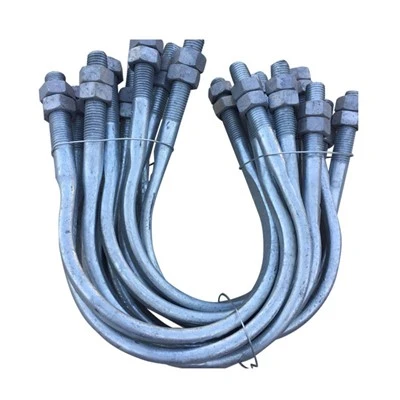
If you’ve ever worked on a ground-mount solar project (or even looked into getting one), you know how game-changing solar ground screws are. They’re faster to install than concrete foundations, better for the environment, and way more flexible for uneven terrain. But here’s a question we get all the time from installers, project managers, and even homeowners: do these screws actually need regular inspections? Like, once we drive ’em into the ground and bolt the panels to ’em, can we just set it and forget it?
Short answer? No, you can’t. Wait, let’s make that clear—you can’t just forget ’em. But before I dive into why, let’s keep it real: I’ve been selling solar ground screws for over 7 years now, talked to hundreds of folks who’ve installed thousands of sets, and seen firsthand what happens when inspections get skipped. It’s not just “oops, something’s loose” stuff. It can turn into costly repairs, lost energy production, or even safety hazards. So let’s break this down like we’re hanging out at a job site coffee break, no stuffy engineering jargon that makes your eyes glaze over.
First, let’s remember what solar ground screws are actually up against when they’re buried. Unlike a foundation that’s covered with concrete, these screws are exposed to whatever the local soil and weather throws at ’em. Let’s list a few: soil type changes—like if a site was supposed to be sandy but it’s actually clay, or there’s a layer of rock a few feet down you didn’t hit during installation. Then there’s moisture—too much rain can make soil expand (shoutout to expansive clay, the enemy of every ground-mount installer), or prolonged drought can make soil shrink, leaving those screws a little wobbly. Don’t get me started on freeze-thaw cycles—where I’m from in the Upper Midwest, the ground heaves and settles every winter, and if a screw’s not set right, it can shift just enough to throw your panel array out of alignment.
That’s just the soil stuff. Now the weather and external factors: wind. A 100-mph gust (not unheard of in tornado alley or coastal areas) doesn’t care how tight you torqued the nuts in July. Over time, that constant vibration from wind, even light wind, can loosen hardware. We’ve had customers tell us after a big storm their array was tilted because a few screws shifted. And wildlife? Yeah, burrowing animals—groundhogs, gophers, even some rodents—can dig around the base of a screw, weakening its hold. I once had a customer out in Colorado who had to replace 12 screws because prairie dogs dug under them over a year. Wild, right?
So what do regular inspections even look like? It’s not like you need a rocket scientist or a $10,000 piece of equipment. We tell our customers, especially small installers or residential folks doing their own ground-mount, that a basic inspection takes 15-20 minutes per array, twice a year. Spring and fall are perfect times—spring to check for winter heave, fall to make sure it’s ready for harsh weather. What do you check? First, a quick visual of the ground around each screw. Is there any settling, heaving, or exposed soil around the base? If a screw is poking out more than it should, that’s a red flag. Next, give the panel frame a gentle nudge—if it moves more than an inch, that means the screw’s not holding tight. Then, a quick check of all the bolts and nuts. Vibration can make them work loose over time, so a wrench turn here and there is all you need.
Wait, but what if you skip those inspections? Let’s talk about the numbers. A study from the International Renewable Energy Agency (IRENA) found that unmaintained ground-mount solar systems lose 5-10% of their energy production annually. That might not sound like a lot, but if you have a 100 kW array, that’s 5-10 kW less power every day. Over 20 years, that’s thousands of dollars in lost revenue for commercial projects, or higher energy bills for homeowners. Worse, I’ve seen a commercial array in Texas where skipped inspections led to a screw shifting so much the panel was tilted 15 degrees—they had to pull out the whole section, replace the screws, and lose power for 3 days. Repair costs were $12,000, not to mention the downtime. For residential, it might not be that expensive, but you’re still wasting money on energy you’re not getting.
And let’s not sleep on safety. A loose panel can fall off, or a screw that’s pulling out of the ground could hit someone. Yeah, that’s rare, but it’s not impossible. Most solar installers do their due diligence on installation, but inspections catch the little stuff before it becomes dangerous.
Now, here’s the thing: not all inspections are created equal. If you have a large commercial array (say, 1 MW or more), you might want to bring in a professional every 2-3 years to do a deeper check—maybe use a torque wrench to make sure hardware is at the correct setting, or test the screw’s pullout resistance. For small residential arrays, the twice-a-year quick check is more than enough. We even include a free inspection checklist with every bulk order of ground screws we send out—so customers don’t have to hunt for what to look for. It’s just a one-page PDF with bullet points, easy to print and stick in your truck or toolbox.
Wait, but some folks argue: “We used hot-dip galvanized screws, so they’re rust-proof. That means no inspections needed, right?” Sorry, but rust protection doesn’t mean no wear and tear. Hot-dip galvanizing is great— it lasts 20+ years in most soil types—but it’s not indestructible. If the coating gets scratched during installation (which happens, even with the best installers), that spot can start to corrode over time. An inspection catches that scratch before it turns into rust that weakens the screw. Also, galvanizing doesn’t stop soil movement or vibration—those are separate issues. I had a customer in Florida with coastal soil that’s super salty; even with galvanized screws, he noticed a tiny bit of corrosion on 3 screws after a year, and fixed it before it got worse.
Another common myth: “Ground screws are set once, so they don’t move.” No, soil is a living thing. It shifts with moisture, temperature, and even the weight of the array over time. I had a project in Ohio where the soil expanded 6 inches after a heavy rain, pushing a few screws up an inch. By catching that in a spring inspection, they just tightened the base bolts and were good to go. If they’d waited till summer, that shift could have messed up the panel’s wiring, leading to more issues.
So let’s wrap this up: yes, solar ground screws do require regular inspections, but they’re simple, quick, and save you way more time and money in the long run. It’s not about overcomplicating things—it’s about keeping your array running at peak performance, avoiding costly repairs, and making sure nothing goes wrong down the line.
If you’re a project manager, installer, or homeowner looking for reliable solar ground screws (we’ve got galvanized, stainless steel, for all soil types—from sandy to clay to rocky), and you want more details on inspection checklists or bulk orders, hit us up. We’re here to help make your solar projects go as smoothly as possible.
Transformer Cross Arms References:
- International Renewable Energy Agency (IRENA). (2022). Ground-Mount Solar System Maintenance Best Practices.
- Solar Energy Industries Association (SEIA). (2023). Inspections for Residential and Commercial Solar Installations.
- Journal of Construction Engineering and Management. (2021). Performance of Helical Ground Screws in Expansive Soils.
Hebei Pubang Fastener Manufacturing Co., Ltd.
We are one of the most professional solar ground screws manufacturers and suppliers in China, featured by quality products and good price. Please rest assured to buy advanced solar ground screws for sale here and get quotation from our factory. We also accept customized orders.
Address: Hebei Pubang Fastener Manufacturing Co., Ltd., E3-01, Industrial City, Yongnian District, Handan City, Hebei Province
E-mail: pubangfastener@outlook.com
WebSite: https://www.hbpbfastener.com/
