If you’ve ever spent time rebuilding a small engine—think the ones powering lawnmowers, generators, or ATVs—you know that the valve seat is one of the most critical yet easily overlooked parts of the job. A lumpy, misaligned, or poorly sized valve seat won’t just kill compression; it can turn a weekend project into a repeat repair before the season even ends. As a valve seat tools supplier who’s worked with hundreds of small engine mechanics, backyard tinkerers, and small engine repair shops over the past decade, I’ve lost count of how many times someone has asked me: “What size valve seat cutter do I need for small engine valves?” It seems like a simple question, but the answer isn’t one-size-fits-all. Getting it wrong can mean wasted time, damaged valves, and a lot of extra headaches. Let’s break this down like we do in our shop—no overly jargon-heavy textbook stuff, just real-world insights that work for every small engine job. Valve Seat Tools

First, let’s start with the basics: what a valve seat cutter actually does for small engines. Unlike the heavy-duty cutters used for semi trucks or big block V8s, small engine valve seats are tiny—often less than an inch in diameter, sometimes as small as half an inch in two-stroke engines. These seats are the donut-shaped surface in the cylinder head that the valve closes against, creating an airtight seal for the fuel-air mixture (intake valve) and exhaust gases (exhaust valve). Over time, heat, pressure, and carbon buildup erode this seat, and you need a cutter to grind a fresh, smooth seat that matches the valve face. If your cutter is the wrong size—too wide, too narrow, or angled incorrectly—the seal breaks, compression drops, and your engine runs rough or won’t start at all.
The first and most important step to picking the right cutter size is knowing your engine’s part numbers. Every small engine manufacturer—whether Briggs & Stratton, Honda, Kohler, or Tecumseh—prints a valve seat specification right in the service manual. This isn’t a vague recommendation; it’s a precise measurement. For example, a standard Briggs & Stratton 5 horsepower lawnmower engine has an intake valve seat width of 1.5mm and an exhaust valve seat width of 1.8mm. A Honda GX160 (common in generators and pressure washers) has an intake seat width of 1.2mm and an exhaust of 1.5mm. If you skip checking the manual, you’re guessing—and guesswork leads to mistakes that cost you. I’ve had a customer come back to our shop last spring who bought a set of cutters online for a Kohler Command 15, only to find the intake cutter was 0.3mm too wide, which meant he couldn’t get a proper seal. He ended up having to buy a new set from us because he didn’t bother checking the manual first. That’s a mistake I see far too often.
But what if you don’t have the service manual? Maybe you picked up a used small engine at a yard sale, or the manual was lost years ago. In that case, you can measure the valve itself to get a baseline. Valves have three key measurements that tie to cutter size: the valve head diameter, the valve face angle, and the valve seat contact area. Let’s simplify this: take a digital caliper and measure the diameter of the valve’s head (the flat part that touches the cylinder head). For most small engines, the valve seat cutter will match roughly 60-70% of that valve head diameter for intake valves, and 55-65% for exhaust valves. Wait—why is there a difference between intake and exhaust? Exhaust valves run much hotter than intake valves, so their seats need to be a bit narrower to dissipate heat effectively. Too wide an exhaust seat, and you’ll get overheating, burnt valves, and eventually a cracked cylinder head. That’s a detail most hobbyists miss, and it’s one that makes a big difference in long-term performance.
Next, the angle of the cutter matters just as much as the size, and it’s tied to the seat width. Most small engine valves use a 30-degree angle for intake valves and a 45-degree angle for exhaust valves—though some newer high-performance small engines use matching angles for both. When you grind the seat with the main angle cutter, you then use top and bottom “nicking” cutters (usually 15 and 75 degrees) to create a three-angle seat that ensures the valve seats evenly. The size of these cutters is what determines the total width of the seat. For example, if your main 45-degree cutter for the exhaust valve has a diameter that leaves a contact band of 1.8mm when combined with the top and bottom cuts, that’s exactly the size you need. If you use a main cutter that’s too large, you’ll end up with a seat that’s 2.5mm wide—wider than ideal, which can trap carbon, reduce seal pressure, and hurt power. If it’s too small, the contact area is too narrow, leading to uneven wear and valve leakage.
Another common mistake I see is mixing up cutter sizes across different engines. A lot of tinkerers will buy a cheap universal cutter set, thinking it will work for any small engine, but these sets rarely have the precise sizes for each engine model. A universal set might have a 1.5mm seat cutter, but it won’t tell you if that cutter is sized for a 0.5-inch valve or a 0.75-inch valve. We have customers who’ve used these universal sets and ended up with seats that have gaps so small you can’t even feel them with your fingernail, but so wide that carbon builds up within a few hours of running the engine. At our shop, we always recommend using model-specific cutters when possible, because they’re calibrated exactly to the manufacturer’s specifications, so you get a perfect seal every time.
For two-stroke small engines, which are common in chainsaws, string trimmers, and small dirt bikes, the rules are a little different. Two-stroke valves are much smaller, often with head diameters under 0.5 inches, and their seat widths are usually between 1.0mm and 1.2mm for both intake and exhaust. Because two-stroke engines rely on a very tight seal to run at high RPMs, getting the cutter size exactly right is non-negotiable. I remember a customer who was rebuilding a Stihl chainsaw for his tree trimming business—he bought a generic cutter set and ended up with a seat that was 0.8mm wide. The chainsaw ran rough, lost 20% of its power, and he had to shut it down after 10 minutes because the valve was overheating. He ended up bringing the cylinder head to our shop, where we used a precision model-specific cutter to grind a 1.1mm seat, and the chainsaw ran like new again. He told me that mistake cost him $300 in lost work that day—something he never would have had to pay if he’d used the right cutter size from the start.
Now, let’s talk about tools you can trust. A lot of cheap valve seat cutter sets out there are made from soft steel that dulls after just a few uses, leading to uneven cuts and inaccurate sizes. When you’re working with small engine valves, you need cutters made from high-speed steel or carbide, because they stay sharp through dozens of grinding jobs and hold their size perfectly. We’ve tested dozens of cutter brands over the years, and the ones that last are the ones that are machined to a tolerance of within 0.001 inches—tiny, almost unnoticeable, but that’s what makes the difference between a good seat and a bad one. When you pick a cutter, check the tolerance rating; if it’s not listed, it’s probably not a quality tool. For small engines, you don’t need heavy-duty industrial cutters—those are too big and expensive, and they can damage the delicate small cylinder heads. Stick to cutters designed specifically for small applications, with sizes ranging from 0.8mm up to 2.0mm, which covers 90% of the small engines you’ll work on.
One more thing to consider: after you grind the seat, you have to laval the valve to ensure the seal is good, but that’s a separate step. Even with the perfect size cutter, if you don’t lap the valve for a few minutes with grinding compound, you might still get a small leak. But the cutter size is the foundation—if that’s wrong, lapping won’t fix it. I always tell new mechanics: measure twice, cut once. Take your time to confirm the seat size from the manual, or measure the valve accurately if you don’t have the manual. Don’t rush to buy a cutter just because it’s the one you have lying around. I’ve seen too many people save $20 on a cheap cutter set only to spend hundreds in repairs later.
If you’re still not sure what size cutter you need, the best thing to do is reach out to someone who knows small engines and valve seats. As a valve seat tools supplier, we work with mechanics and hobbyists every day to walk through this process—we don’t just sell cutters, we help you pick the right one for your specific engine. Whether you have a lawnmower, a generator, a chainsaw, or a small ATV, we can guide you through checking your engine specs, measuring your valves, and picking the exact cutter size that will get the job done right the first time. We’re not here to push you to buy something you don’t need; we’re here to make sure your valve seat repair lasts, so you can get back to using your engine without headaches.
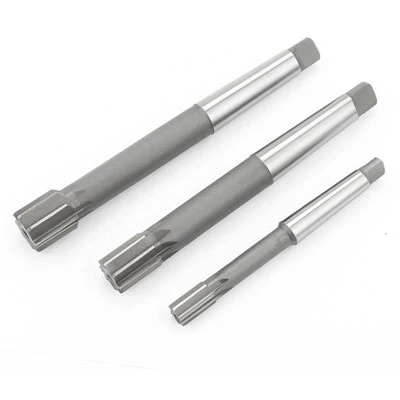
If you’re working on your next small engine rebuild and need help figuring out the right valve seat cutter size, don’t hesitate to connect with our team to discuss your project. We’re happy to answer questions, share specs, and make sure you have the right tools to get a perfect seal every time.
Valve Seat Reamer References
Small Engine Repair Association. (2021). Valve Seat and Guide Service Guide for Small Gasoline Engines. SEPA Press.
Briggs & Stratton Service & Parts Division. (2022). Technical Manual for Small Engine Valve Seating and Grinding. Briggs & Stratton Corporation.
Honda Power Products. (2020). GX Series Engine Valve Specifications and Cutter Requirements. Honda Motor Co., Ltd.
Kohler Engines. (2021). Command Pro Series Small Engine Valve Repair Guidelines. Kohler Co.
Kunshan Zhiyi Dingli Cemented Carbide Tool Co., Ltd.
We are one of the most professional valve seat tools manufacturers and suppliers in China, also support customized service. We warmly welcome you to wholesale high quality valve seat tools made in China here from our factory. If you have any enquiry about cooperation, please feel free to email us.
Address: No.80 Chuangfu Road, Qiandeng Town, Mondragon Industrial Park, Kunshan City, Suzhou, Jiangsu, China.
E-mail: 2060056236@qq.com
WebSite: https://www.kszydl.net/
