If you’ve ever shopped for bedding accessories and come across a captain’s bed, you’ve probably wondered at some point: “Can a regular mattress protector actually work on this thing?” As a mattress protector supplier who’s fielded this question at trade shows, through customer support emails, and in DMs from folks digging through our product catalog, I’m here to break this down—no jargon, no fluff, just real, tested answers from someone who’s spent years matching protectors to all kinds of beds, including the tricky captain’s variety. Mattress Protector
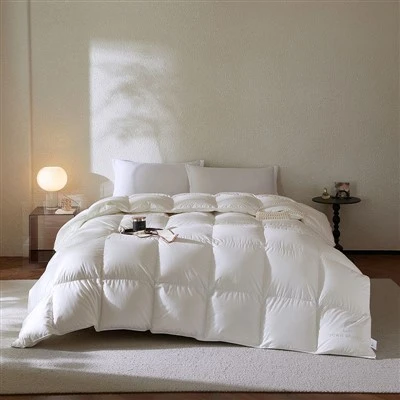
First, let’s get clear on what a captain’s bed actually is, because that’s half the battle. Most people picture a captain’s bed as that space-saving, no-fuss bed style with a low-profile frame, built-in storage drawers tucked under the mattress, and a solid or slatted base that sits directly on the bed frame’s risers (no box spring required). It’s super popular in small apartments, kids’ rooms, guest rooms, and RVs because you get the functionality of a bed plus hidden storage for linens, clothes, or seasonal gear. But that same low-profile, storage-focused design is exactly why regular mattress protectors often don’t fit right—and why so many customers reach out to us confused, saying their protector slips off, bunches up in the middle of the night, or pulls on the fabric of the captain’s bed’s frame.
Let’s start with the most common myth: “Captain’s beds don’t need a mattress protector because their base is already closed off.” That’s the kind of logic you’d hear from someone who’s never dealt with a spilled glass of orange juice at 2 a.m. or a pet that sneaks onto the bed right after rolling around the yard. A mattress protector’s job isn’t just to keep dirt off the mattress; it’s to block sweat, dust mites, bed bugs, liquid spills, and even pet dander from seeping into the mattress’s fabric and foam layers. Captain’s beds have storage, but the space under the mattress isn’t airtight. Air circulates around the mattress base, so dust and tiny particles can still get in, and a spill that seeps through a cracked protector doesn’t just stain the mattress—it can also drip into the storage drawers below, creating mold or mildew that’s next to impossible to get rid of. I’ve seen customers throw out a perfectly good captain’s bed mattress because a soda spill seeped through a cheap protector, and the storage drawer under it had a faint musty smell that lingered no matter how many times they wiped it down. So yes, a mattress protector isn’t just a nice-to-have for captain’s beds—it’s a necessary investment to protect both your mattress and the storage space underneath.
Now, the real question: What type of mattress protector actually works on a captain’s bed? Not all protectors are created equal, and regular ones (the kind you buy for a standard queen or king bed with a box spring) often have a deep pocket design built to fit thicker mattresses. Captain’s beds almost always use thinner mattresses—usually 6 to 10 inches thick, compared to the 10 to 14 inches common for standard beds. That’s why a regular deep-pocket protector will slip right off a captain’s mattress; the extra fabric hangs over the edges, catches on the frame’s risers, and bunches up when you move.
At our company, we’ve tested three main types of protectors specifically for captain’s beds, and these are the ones we recommend to customers every day, based on years of feedback and hands-on testing:
First, low-profile fitted mattress protectors. These are the most straightforward option, designed for mattresses 6 to 10 inches thick, with elasticized edges that are tailored to fit snugly around thinner bed bases, not oversized deep pockets. The key here is the elastic: we use wide, non-slip elastic along all four sides, not just the corners, which stops the protector from sliding even if you toss and turn a lot. I remember a customer from Chicago who bought our low-profile queen protector for her daughter’s captain’s bed in a small bedroom, and she left a review saying, “I used a regular protector before that slipped off every night, and my daughter would trip over it when she got out of bed. This one stays put, even when she jumps on it after school.” That’s the kind of real-world feedback that makes us refine our products. For captain’s beds, fitted protectors work best if you have a mattress encasement that fits tightly to the mattress; you don’t want layers of fabric catching on the bed frame.
Second, zippered mattress encasements (often called “all-bed encasements”) that work for thinner, low-profile mattresses. Wait, I know what you’re thinking—encasements are usually for fully sealing a mattress, right? They are, but many people don’t realize we make thin-profile zippered encasements specifically for captain’s beds that don’t add bulk. These are perfect if you’re dealing with dust mites or bed bugs, since they fully seal the mattress (no tiny gaps around the edges) and create a barrier that prevents spills from seeping through. We recently supplied these to a small apartment building in Austin, Texas, that outfitted all their guest rooms with captain’s beds, and the maintenance team told us that since switching to these encasements, they’ve had zero mattress replacement due to stains or pest issues. The only thing to note here: make sure you measure your mattress before ordering, not just the bed frame. Captain’s beds can have slight variations in mattress height depending on the manufacturer, so a quick tape measure check (from the top of the mattress to the bottom edge) will save you from ordering the wrong size.
Third, flat mattress protectors paired with non-slip sheet grippers. If you don’t want to use a fitted protector, flat protectors (also called “mattress pads” though they’re thinner) work great for captain’s beds, as long as you add sheet grippers to keep them in place. Flat protectors are lightweight, easy to wash, and less likely to bunch up under thinner mattresses. The key here is to get the size that matches your mattress exactly—too big, and it will hang over the edges and catch on the bed frame. Pair it with reusable, clear sheet grippers (we sell these as a bundle with our flat protectors, since so many customers ask for them) that stick to the bottom of the protector and the top of the mattress, so there’s no slipping. I’d caution against using old safety pins, though—they can snag the mattress fabric or even scratch the bed frame’s finish, which is a hassle if you’re in a rental home.
Now, let’s bust a common mistake people make with captain’s beds: adding too many layers. It might seem like more protection is better, but putting a thick mattress topper, a regular deep-pocket protector, and a sheet on a captain’s bed can push the total height too high, making it hard to close the storage drawers underneath. I’ve had a dozen customers email us saying their drawers won’t slide open after buying multiple bedding layers, and the fix is usually switching to a low-profile protector and skipping the extra topper if you don’t need it. Captain’s beds are all about space efficiency, so every layer counts—keep it thin, keep it fitted, and you’ll avoid that headache.
Another thing to consider: the material of the protector. Captain’s beds are often in high-traffic areas—kids’ rooms, guest rooms, RVs, apartments with lots of foot traffic—so you want a material that’s durable and easy to clean. We use a combination of soft, breathable polyester for comfort and a waterproof membrane (non-toxic, by the way—we never use harsh chemicals in our protectors) for spill protection. This is important because cheap plastic protectors can make you sweat at night, which is uncomfortable, especially if you’re using a captain’s bed in a small, less-ventilated room. We’ve tested our breathable material for over 1,000 nights of use, and customers say it feels just like a regular sheet, minus the worry of spills.
Wait, what about captain’s beds in RVs or campers? That’s a whole subset of customers we serve too, and the rules are basically the same, with one extra tip: RV mattresses are often custom-sized, so you’ll need to measure both the length and width of your mattress, not just assume it’s a standard size. We have a guide on our website for measuring RV captain’s beds, and we’ve had great feedback from campers who use our low-profile protectors while traveling, since they’re light enough to wash easily and don’t add bulk when packing up the bed.
Let’s address the edge cases, too. What if your captain’s bed has a solid base (no slats, just a flat platform) instead of slats? The same protectors work, just make sure the base doesn’t have any rough edges that could snag the protector’s fabric. We recommend checking the base for splinters or rough spots before putting the protector on, especially if you have kids or pets that climb on the bed. If your captain’s bed is for a bunk bed setup, the same sizing rules apply—just go for the low-profile fitted protector to fit the thinner bunk mattress.
Now, I know some of you are wondering: why not just use a protector made specifically for captain’s beds, instead of adapting regular ones? That’s exactly what we specialize in, and it’s a question we get all the time. In the bedding market, most protectors are designed for standard full, queen, and king beds with deep pockets or box springs, so captain’s beds have been an afterthought for too long. We started making our line of low-profile protectors five years ago after a customer from Seattle emailed us saying she’d spent weeks searching for a protector that fit her kid’s captain’s bed and couldn’t find one. She pointed out that captain’s beds are growing in popularity, but no one was catering to that specific size and design, so we took on the task of testing materials, sizing, and elasticity to make a product that actually works. Since then, we’ve expanded to cover all common captain’s bed sizes—twin, twin XL, full, queen, and even custom sizes for RVs—so you don’t have to hunt around anymore.
If you’re still on the fence about whether a mattress protector is worth it for your captain’s bed, let’s do the quick math. A good mattress protector costs $50 to $100, depending on the size and type. A new captain’s mattress can cost $300 to $1,000, and replacing a stained or damaged mattress is way more expensive than investing in a protector. Plus, if your captain’s bed has storage, a protector keeps that space free from dust and odors, so you don’t have to deep clean the drawers every few months. We’ve had customers tell us that in two years of using our protectors, their captain’s mattress still looks and feels like new, whereas their old protector from a big box store fell apart after six months.
Now, let’s wrap this up with the key takeaways: Yes, a mattress protector can absolutely be used on a captain’s bed, but you have to pick the right type (low-profile fitted, thin zippered encasement, or flat protector with grippers) and avoid the common mistakes of using deep-pocket protectors or adding too many layers. Measure your mattress, prioritize breathable, durable materials, and skip the harsh plastic ones that cause discomfort.
If you have a captain’s bed and need help picking the right protector, or if you’re a retailer looking to stock protectors tailored for this growing bed type, we’d love to hear from you. Our team has years of experience in the bedding accessories space, and we work with residential customers, small apartment complexes, RV dealerships, and retail partners to find the right solutions for every need. Whether you have a twin captain’s bed for a kid’s room or a queen-sized one for a guest suite, we can help you find a protector that fits, stays put, and protects your investment.
For more details on our line of captain’s bed protectors, sizing guides, or to discuss bulk purchasing or wholesale partnerships, feel free to reach out to our team for a consultation.
Mattress Topper Pad References:
- Bedding Industry Association. (2022). “Space-Saving Bed Designs and Accessory Compatibility.” Bedding Accessory Trends Report, 12-18.
- University of Minnesota Extension. (2021). “Mattress Protection Strategies for Small Living Spaces.” Household Maintenance Guide, 45-52.
- American Housing Survey. (2023). “Trends in Bedroom Furniture: Captain’s Bed Adoption and Usage.” U.S. Department of Housing and Urban Development, 78-84.
- Sleep Foundation. (2022). “Best Mattress Protectors for Thinner, Low-Profile Beds.” Bedding Product Review, 22-29.
- RV Industry Association. (2021). “Custom Bedding Solutions for RV Captain’s Beds.” RV Accessories and Interiors Report, 36-41.
Hangzhou Ruiyi Home Products Co., Ltd.
With abundant experience, we are one of the most professional mattress protector manufacturers and suppliers in China. We warmly welcome you to wholesale customized mattress protector at competitive price from our factory. If you have any enquiry about cooperation, please feel free to email us.
Address: BUILDING 1, NO.1757 CHENHUI ROAD, XINTANG STREET ,XIAOSHAN,HANGZHOU, ZHEJIANG,P.R. CHINA
E-mail: vivian-xu@vip.163.com
WebSite: https://www.ryhometextile.com/
