If you’ve ever been behind the wheel when your car suddenly shifts gears without warning or feels like it’s fighting to stay in the one it’s supposed to be in, you know how unsettling that can be. As someone who’s spent the last 12 years in the transmission gears supply business, I’ve heard dozens of stories from drivers who wrote off these weird behaviors as “just part of owning an older car” or “normal wear and tear” — only to end up stranded on the side of the road when their transmission completely gave out. A slipping transmission gear is one of the most common and most serious issues that can crop up with your vehicle’s drivetrain, and knowing the symptoms can save you thousands in repair costs and avoid the hassle of an unexpected breakdown. Transmission Gears
First, let’s break down what a slipping transmission gear actually is. Your transmission is made up of a series of gears that work together to transfer power from your engine to your wheels, right? Each gear is designed for a specific speed: lower gears for starting from a stop, higher gears for cruising on the highway. When one or more of these gears slips, it means the gear isn’t engaging properly — it’s losing the connection to the parts that are supposed to hold it in place. For example, if your car is supposed to be in third gear when you hit 40 mph, a slipping third gear might jump back down to second unexpectedly, or just rev wildly without moving the car forward. This isn’t a minor annoyance; it’s a sign that the components that keep your gears locked in are wearing out, and if you ignore it, the entire transmission could fail.
The first and most obvious symptom is unexpected gear shifts or gear changes that don’t feel smooth. Let me paint a picture: you’re merging onto the highway, pressing the gas pedal to pass a slow truck, and your car’s engine revs up like it’s in a lower gear, but the speed doesn’t pick up like it should. Or you’re driving at a steady 60 mph, and all of a sudden, the transmission shifts down on its own, even though you didn’t touch the gas. A lot of people mistake this for a transmission fluid issue, and while low or dirty fluid can cause shifting problems, a slipping gear will feel different. With a fluid problem, shifts might be jerky or delayed, but with a slipping gear, you’ll often hear a loud, high-pitched engine rev that doesn’t match your speed. I’ve had customers bring in their cars saying, “It sounds like the engine is screaming, but I’m only going 45 instead of 55” — 9 times out of 10, that’s a slipping gear at work.
Another key symptom is difficulty staying in a specific gear, especially when you’re under load. Load here means when you’re pulling a trailer, climbing a hill, or even just carrying a full car of people. If your gear slips when you’re trying to accelerate uphill, that’s a big red flag. I remember a customer last year who had a half-ton pickup he used to tow his boat to the lake every weekend. He started noticing that when he hit a steep entrance ramp to the highway, his transmission would jump out of fourth gear and into third, leaving him struggling to get up to speed. He thought the problem was with his transmission’s solenoid, but when we checked, the third gear gear teeth were worn down enough that they weren’t locking into the synchronizers properly. That’s exactly what a slipping gear feels like: the car can’t maintain the gear it needs under pressure, so it slips to a lower one to avoid grinding.
You might also notice a grinding or humming noise coming from the transmission area when you’re driving. A lot of drivers confuse transmission noise with engine noise, but a slipping gear makes a distinct, rhythmic hum or grind that gets louder as your speed increases. It’s not the same as the normal engine rumble you get when you’re accelerating; it’s a more high-pitched, consistent sound that gets worse when the gear is slipping. For example, if your fifth gear is slipping, you’ll hear the hum most noticeably when you’re cruising at highway speeds in fifth gear, and it might fade a little if you downshift to fourth. That’s because the worn gear only has trouble engaging at the specific speed and load that fifth gear is designed for. Ignoring that grinding noise can lead to the gear teeth breaking completely, which can cause metal shavings to get into the transmission fluid and damage the entire unit.
One more symptom that’s often overlooked is delayed engagement when you shift gears. If your car is an automatic, that might mean when you put it into drive (D) or reverse (R), there’s a 2 or 3 second delay before the car moves. For manual transmission vehicles, it might feel like the clutch isn’t disengaging properly, or you have to press the clutch all the way to the floor to shift into gear. While delayed engagement can be caused by a faulty clutch or transmission fluid, it’s also a common early sign of a slipping gear. That delay is the gear trying to engage, but not being able to lock into place immediately. I had a young customer a few months back who thought his manual transmission car just needed a new clutch, but after inspecting it, we found the second gear syncro was worn, causing that delayed shift and eventually leading to a complete gear slip on his way to work.
Now, I know what some of you are thinking: “My car is 10 years old, and I’ve noticed a few of these things — is that normal?” The short answer is no. Some minor shifting irregularities can come with age, but a slipping gear is a specific issue that won’t go away on its own. It will only get worse over time, often leading to more expensive repairs. The good news is that if you catch a slipping gear early, you can often replace just the affected gear instead of the entire transmission, which saves you a lot of money. That’s where our company comes in. For over a decade, we’ve been supplying high-quality transmission gears to repair shops, mechanics, and do-it-yourselfers across the country. We source our gears from reputable manufacturers, and every unit we supply is tested to ensure it meets OEM specifications, so you can be sure it will fit and work properly in your transmission.
When you’re dealing with a slipping gear, it’s important to work with a supplier you can trust. A lot of cheap, no-name gears out there might seem like a good deal, but they’re often made from lower-quality metal that wears out faster, leading to another slip down the road. We don’t cut corners on materials — our gears are made from durable alloy steel that can handle the stress of daily driving, towing, and highway speeds. We also carry a wide range of gears for all makes and models, from compact cars to heavy-duty trucks, so no matter what vehicle you’re working on, we have the part you need.
If you’ve noticed any of the symptoms I mentioned — unexpected revving without speed, difficulty staying in gear when climbing hills, grinding noises from the transmission, or delayed shifts — don’t wait until your transmission fails completely. The longer you put off fixing a slipping gear, the more damage it can cause to other components in your transmission, like the bearings, synchronizers, and even the input shaft. That’s why it’s important to reach out to a trusted supplier early, so you can get the right gear at a fair price and get your vehicle back on the road.
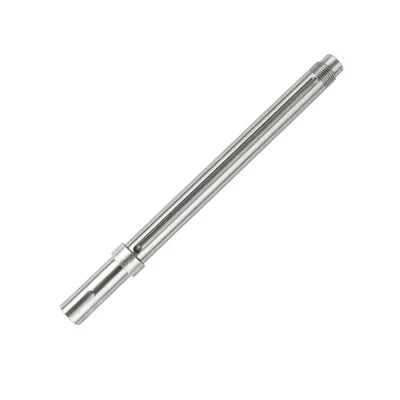
I know dealing with transmission issues can be stressful, especially if you’re not familiar with how drivetrains work. That’s why our team is always here to help. Whether you’re a mechanic looking to restock your inventory, a car owner who’s tackling a repair yourself, or a shop owner who needs a reliable gear supplier, we can work with you to find the right part for your application. We understand that every project is different, and we’re happy to answer any questions you have about our products, fitment, or installation. Don’t let a slipping gear turn into a major repair — reach out today to learn more about how we can help you get the right transmission gear for your needs.
Gear Shafts References
- Automotive Transmission Technology, Society of Automotive Engineers, 2019
- “Common Transmission Failure Symptoms and Causes”, National Highway Traffic Safety Administration, 2021
- Gear Design and Application for Automotive Drivetrains, SAE International, 2020
- “Preventing Transmission Damage from Slipping Gears”, Automotive Repair Association, 2022
- Alloy Steels for Transmission Components, Metals and Materials Society, 2018
Wenling Nanfang Jingtong Gear Factory
As one of the most professional transmission gears manufacturers and suppliers in China, we also support customized service. We warmly welcome you to wholesale bulk high quality transmission gears made in China here from our factory. Also, quotation is available.
Address: Shui’an Village, Ruoheng Town, Wenling City, Taizhou City, Zhejiang Province
E-mail: jt18906566400@126.com
WebSite: https://www.jingtonggear.com/
