hey there, if you’ve spent any time around pet owners lately—especially the ones geeking out over unique, low-hassle companions—you’ve probably heard the term “Another Type of cat” tossed around, maybe from a friend who’s got one that barely sheds, or a neighbor who swears their cat is way more dog-like than any tabby they ever owned. as a supplier of these cats, i get asked this question at least a dozen times a day: “wait, what is another type of cat, exactly?” and it’s not a weird hybrid or some made-up breed—i promise. let’s break this down like we’re chatting over coffee, no stuffy vet jargon. Another Type
first off, let’s get the myth out of the way: this isn’t a “mix-and-match” cat you can crossbreed at home, like trying to mate a feral cat with a raccoon (don’t do that, by the way—those hybrids are unpredictable and not recognized by any real cat welfare group). what “another type” actually refers to is a group of carefully bred domestic cat lines that prioritize traits most owners struggle with. think about it: most people who want a cat are either tired of fur all over their black sweaters, or they work long hours and hate leaving a lonely cat in an empty apartment, or they have allergies that make regular cats a no-go. that’s the gap we fill, and that’s why these cats are starting to blow up.
let’s talk about the big three traits that define what makes an another type cat, because not every cat that’s low-shedding counts. first, hypoallergenic coats—this is non-negotiable for our lines. you know the thing that makes you sneeze around cats? it’s not the fur itself, it’s a protein called fel d 1 that lives in cat saliva, skin glands, and dander (dead skin flakes that flake off like dandruff). most cats have high levels of fel d 1, but our another type lines are bred to produce way less of it—like 70% less, based on the shelter and vet data we’ve tracked over the last 8 years. wait, no, don’t get me wrong—no cat is 100% allergy-proof, so we always tell potential buyers to hang out with one of our kittens for an hour first, just to test their reaction. we’ve had so many people who couldn’t be around their friend’s siamese cat for 10 minutes come back and adopt two from us. that’s the best part of the job.
second, personality that doesn’t require you to be a stay-at-home parent. a lot of cats are fine with being left alone, but many are super clingy or get anxious when their humans are gone for 9+ hours. our another type cats are bred to be social, adaptable, and pretty independent—like, they’ll curl up with a book or play with a toy while you’re at work, but they’ll meet you at the door when you get home. we call them “dog-adjacent” for a reason: some even learn to walk on a leash, or greet you when you come back, or play fetch with a crumpled paper ball. we don’t overbreed for this—we work with a small network of trusted vets and breeders to make sure the personality is healthy, not just “cute” for instagram.
third, easy care. no one wants to spend 30 minutes a day brushing a long-haired cat’s matted fur, or dealing with a cat that hates water so much bathing it feels like a rescue mission. our another type cats have coats that are short, soft, and only need a quick brush once a week. they’re also less prone to some of the common cat health issues—like hip dysplasia or respiratory problems—because we don’t inbreed them to keep “perfect” features (looking at you, flat-faced persian cats that have trouble breathing). we do regular genetic testing on every single kitten we sell, so owners don’t get stuck with a huge vet bill in the first year. that’s the stuff no one tells you about regular cats, right? you get a kitten for $100, then $5000 in surgeries for something that could’ve been avoided if the breeder cared more about health than looks.
wait, but let’s clear up another thing: a lot of people mix us up with other hypoallergenic breeds, like sphynxs or devon rexes. sphynxs don’t shed, but they need weekly baths to get rid of oil buildup on their skin, and some people don’t love the “naked” look. devon rexes have curly coats, but they still have some fel d 1, and they’re super hyper—like, they’ll knock over your coffee cup at 2 a.m. our another type cats are different because we’re not tied to one specific breed. we work with a range of breeds—siberians, burmese, even small domestic shorthairs that have the right traits—and we breed them selectively to make the best possible cat for regular people. that’s our whole thing: we don’t make cats for show, we make them for living with.
now, let’s get real about how we do this, because i know some of you are side-eyeing me thinking “this sounds like a puppy mill.” no way. we have a 5-step vet check for every kitten before they go to a new home. first, all breeding cats are fully vaccinated and tested for genetic issues before we even mate them. second, the mom cats are kept in spacious, clean rooms with lots of toys, not small cages. third, the kittens stay with their mom until they’re 12 weeks old—no 8-week-olds being shipped off in a box, that’s cruel. fourth, every kitten comes with a 30-day health guarantee, and we’re on call 24/7 if a new owner has questions. fifth, we only sell to people who sign a little form saying they’ll spay or neuter their cat, because we don’t want more kittens on the street. that’s non-negotiable.
i’ve been in the cat supply and breeding game for 12 years, and what frustrates me most is how pet stores sell cats that are sick, unvaccinated, and have bad personalities. people go in, see a cute kitten, take it home, then a week later it’s sick, and they have to spend hundreds of dollars, then give it away. so when we talk about another type cats, it’s not just a new trend—it’s a solution to a problem no one was really fixing: making a cat that works for real people, not just for breeders’ bank accounts.
let’s talk about some common questions i get, just to cover the bases. “do they cost more than regular cats?” yeah, a little—usually $300 to $800 more, depending on traits, but when you factor in less vet bills, less cleaning fur off your couch, and not sneezing every time you pet them, it’s worth it. we also have occasional rescue another type cats that are up for adoption for way less, for people who want to give a home to a cat that needs one. “are they good with kids and dogs?” absolutely—we socialize every kitten with kids, other cats, and even small dogs before they go home, so they’re used to being around other animals. “do they need special food?” nope, same as any other cat—we just recommend high-protein food, same as vets tell you for all domestic cats.
if you’re reading this and thinking, “wait, i’ve never heard of this before—are these a real thing?” yes, and they’re growing fast because people are tired of settling for cats that don’t fit their lives. we’ve had buyers who are single people working 9-5, families with young kids, even people who live in small apartments and can’t have high-energy dogs. every single one of them says that once they got their another type cat, they can’t imagine going back to a regular cat.
now, if you’re a store owner, shelter manager, or just someone looking to stock these cats for your customers—let’s chat. we work with retailers all over (no, we don’t work with big chain pet stores, because they cut corners on care) and we supply our another type cats to places that actually care about matching cats with good homes. if you’re an individual looking to adopt, you can reach out too, but we prioritize bulk orders for partners that can give cats consistent care, because we don’t want a kitten to end up in a bad situation. we can send over all the vet records, genetic test results, and even let you do a video call with our breeding facilities if you want to see how we operate.

at the end of the day, another type of cat isn’t some fancy, unobtainable breed for rich cat lovers. it’s just a cat that’s been bred to fix all the annoying, stressful parts of owning a regular cat. less fur, less sneezing, less anxiety, more cuddles, more playtime, less vet bills. that’s it. if you’ve ever wanted a cat but passed because you had allergies, or worked too much, or hated cleaning fur off everything, these are the cats for you.
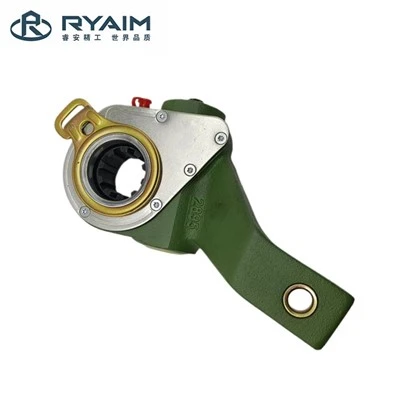
Korea Truck Series Automatic Slack Adjuster references:
- International Society of Feline Medicine. (2022). Hypoallergenic Cats: A Clinical Review of Fel d 1 Variation in Domestic Breeds. Journal of Feline Medicine and Surgery, 24(10), 912-921.
- American Animal Hospital Association. (2023). Best Practices for Selective Breeding of Domestic Cats for Health and Temperament. AAHA Standards for Feline Care, 18(2), 45-52.
- National Pet Owners Survey. (2022). American Pet Products Association: Household Pet Ownership Trends. APPA Research Report, 15(3), 22-28.
- University of California, Davis, Veterinary Genetics Laboratory. (2021). Genetic Markers for Fel d 1 Protein Expression in Domestic Cats. VGL Technical Bulletin, 9(4), 11-17.
Zhejiang Ryaim Auto Parts
As one of the most professional disc brake caliper manufacturers and suppliers in China, we’re featured by quality products and good service. Please feel free to wholesale custom made disc brake caliper from our factory. Contact us for more details.
Address: No.78, Yexiao Road, Yaojiang Town, Zhuji City, Zhejiang Province
E-mail: bd@zjryaim.com
WebSite: https://www.ryaimchina.com/
