If you’ve ever stepped into a manufacturing plant, a metalworking shop, or a research lab, you’ve probably glanced at one of these big, boxy (sometimes sleek) units humming quietly in a corner—no roaring gas flames, no thick smokestacks, just consistent heat doing work that used to take twice the time or cost. That’s an electric industrial furnace, and if you’re in the market for one as a supplier, I’ve got the straight talk you need to cut through the jargon and figure out why these things are game-changers, not just fancy alternatives to old gas-fired setups. Industrial Furnace
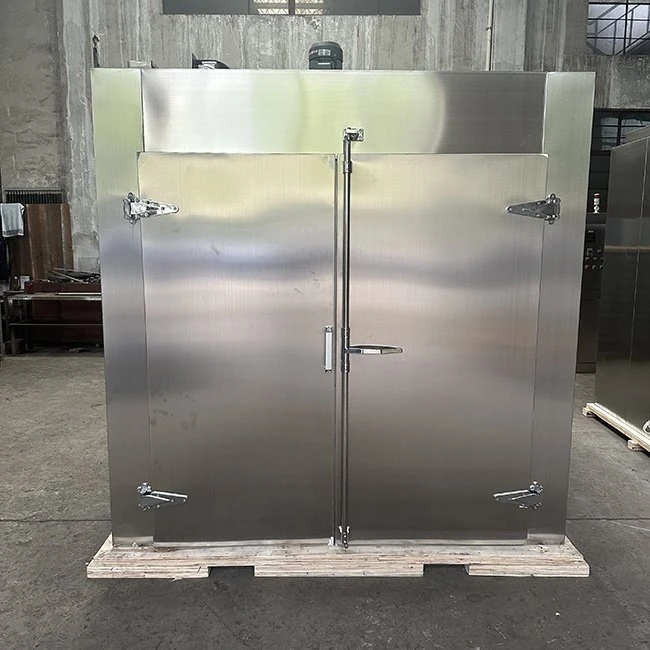
Let’s start with the basics, no textbook fluff. An electric industrial furnace is basically a closed, temperature-controlled chamber that uses electricity as its primary heat source instead of natural gas, propane, or oil. Simple as that, but the how is where the real difference lies. Unlike gas furnaces, which burn fuel to heat air and transfer that heat to whatever you’re processing, electric models work through three main heating methods, depending on what you need: resistance heating, induction heating, and arc heating. I work with all three for different clients, so I’ll break it down like I would to a guy who just needs to harden some steel parts for his construction business—no fancy thermodynamics degree required.
Resistance heating is the most common for smaller to mid-sized operations, and it’s exactly what it sounds like. You run electricity through a conductive material (usually a coil of nickel-chromium alloy, or silicon carbide for really high temps) that resists the flow of current, turning that electrical energy into heat. Think of a toaster, only way bigger and capable of hitting temps up to 3,000°F (1,650°C or so) for things like brazing, sintering, or even melting low-melting-point metals like aluminum. What I love about resistance furnaces is they’re dead easy to calibrate—you just dial in the temperature, and once it’s set, it holds steady. No fluctuating flame from a bad gas line, no adjusting air valves mid-batch. That consistency is huge for manufacturers who can’t afford to waste parts because a batch came out too cool or too hot.
Then there’s induction heating, which is the silent workhorse for high-volume precision jobs. Instead of a coil that gets hot, induction furnaces use electromagnetic induction to heat the material directly—you stick a conductive metal part inside a coil, run alternating current through the coil, and it creates a magnetic field that generates heat right in the part itself. No hot coils touching anything, no wasted heat on the chamber walls. This is the stuff we use for forging crankshafts, hardening gear teeth, or melting copper for wiring. It’s way faster than resistance heating, too—you can heat a 100-pound steel billet in minutes instead of an hour. And because it’s localized? Perfect for jobs where you only need a specific part of a piece heated, not the whole thing. I’ve had clients switch from gas induction setups to electric ones and cut their energy bills by 30% within the first quarter. That’s not a marketing line, that’s real numbers from real shops I’ve worked with.
Last, arc heating is for the heavy hitters—think melting steel, titanium, or other high-melting-point alloys for aerospace or automotive parts. Electric arc furnaces (EAFs) use large electric arcs between carbon electrodes and the raw material (like scrap steel) to generate temps over 3,500°F (1,925°C). These are the giant furnaces you see in steel mills, and they’re way more efficient than old blast furnaces that rely on coal. For a supplier, I love that EAFs let clients recycle 100% of their scrap metal, which is a huge win for both cost and sustainability. A lot of big aerospace firms I work with now prioritize reducing their carbon footprint, and EAFs check that box way better than gas-powered blast furnaces.
Now, why would a business switch from a gas furnace to an electric one? I get it—change is a hassle, especially when you’ve got a system that’s “always worked.” But let’s talk about the actual, tangible benefits, not the hype. First, energy efficiency. Electric industrial furnaces are usually 20-50% more efficient than gas models because they don’t lose heat through flues or combustion byproducts. Gas furnaces vent a lot of heat out the smokestack, but electric ones keep almost all the heat inside the chamber for your material. I had a small metal stamping shop client a couple years back; they were paying $12,000 a month in gas bills. Switched to an electric resistance furnace, and their monthly energy bill dropped to $5,000. That’s money they could use to hire two more workers or buy new equipment.
Second, control and consistency. With gas furnaces, temperature can swing a few degrees depending on how much oxygen is in the combustion air, or if the fuel pressure drops. Electric furnaces tie into digital controls, so you can program exact temperature ramps, hold times, and even cool down rates. That’s non-negotiable for industries like medical devices, where a tiny temp variation can ruin a batch of implantable parts, or electronics, where soldering has to be perfect. I’ve had clients come to me after a run of bad parts that cost them $50k because their old gas furnace couldn’t hold a steady 1,800°F. After switching, their defect rate went from 8% to less than 1%. Worth every penny of the upfront cost, let me tell you.
Third, safety and compliance. Gas furnaces come with all the risks: leaks, carbon monoxide buildup, explosion hazards if not maintained right. Electric furnaces eliminate that—no flammable fuel lines, no risk of gas leaks. Plus, environmental regulations are tightening everywhere, and electric furnaces produce zero on-site emissions. A lot of cities now have rules that limit industrial emissions, so if you’re running a gas furnace, you might be looking at expensive upgrades to meet standards. Electric furnaces check that box without the extra cost.
Don’t get me wrong—electric industrial furnaces aren’t for every job. If you’re melting 100 tons of steel a day, some mills still prefer large EAFs paired with scrap metal for cost, but that’s a niche. If you’re a small custom metal shop, a research lab testing new materials, or a mid-sized manufacturer doing heat treating, brazing, or sintering, electric is almost always the better call. I also tell people: if you’re just starting out and have a small space, electric furnaces don’t need the same ventilation or fuel storage space gas furnaces do. You can stick them right in your production area without having to clear out a separate room for gas tanks.
Now, as a supplier, I’ll be real with you about what to look for when you’re picking one. First, match the furnace to your material. If you’re working with low-carbon steel for forging, a mid-sized induction furnace works. If you’re melting titanium, you need a high-temp arc or vacuum furnace (vacuum is another type, by the way—some electric furnaces run in a vacuum to prevent oxidation for super clean parts, like semiconductor components). Second, think about your production volume. High-volume runs? Induction is fast. Low-volume, custom batches? Resistance is more flexible. Third, don’t skip on after-sales support. A furnace is a big investment, and if it breaks down mid-batch, you’re losing money fast. Make sure the supplier you work with offers 24/7 service, replacement parts, and training for your team. I’ve seen too many clients go with a cheap furnace from a random overseas seller, only to wait weeks for a replacement part when something breaks. That’s a headache no one needs.
Let’s talk about a common myth I hear all the time: “Electric furnaces are too expensive upfront.” Yeah, they can cost a bit more than a basic gas furnace, but the ROI is quick. Most clients I work with pay off the extra cost in 1-2 years from lower energy bills and less waste from defective parts. Plus, if you’re planning to expand your operations or switch to more sustainable practices, electric furnaces are future-proof. A lot of utility companies also offer rebates for businesses switching from fossil fuels to electric equipment, which cuts that upfront cost even more. I’ve had clients get $15k back from their local utility just for switching out one gas furnace. That’s free money, basically.
If you’re still on the fence, think about the long game. Manufacturing is changing—customers are asking for more consistent parts, lower carbon footprints, and faster turnaround times. Electric industrial furnaces check all those boxes. I’ve worked with clients who’ve been using our furnaces for 5+ years, and they tell me it’s one of the best investments they’ve made. They don’t have to worry about gas price spikes (those can go up 20% in a month, right?) or maintenance issues with their fuel lines. Their production runs smoother, their parts are more consistent, and their customers are happier.
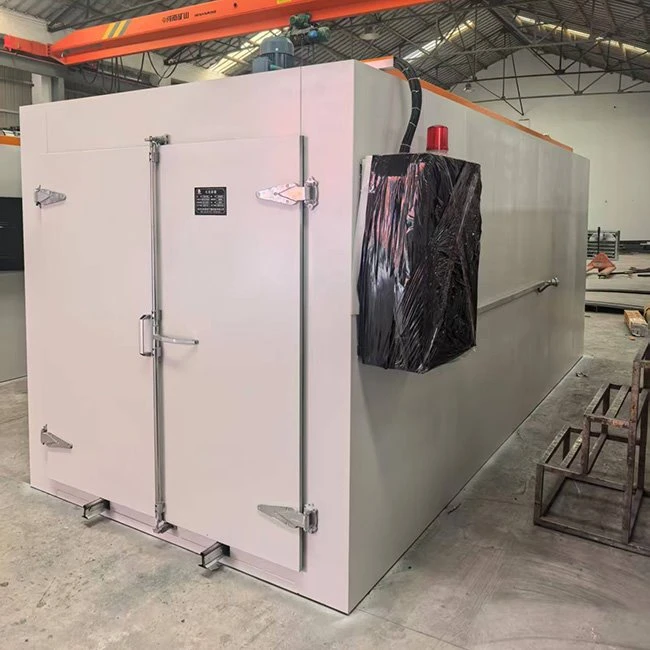
At the end of the day, an electric industrial furnace isn’t just a piece of equipment—it’s a tool that lets you work smarter, not harder. Whether you’re a small job shop making custom metal parts, a lab testing new materials, or a mid-sized manufacturer looking to cut costs and improve quality, there’s an electric furnace that fits your needs.
Industrial Furnace If you’re ready to stop dealing with fluctuating gas bills, defective batches, and messy fuel maintenance, hit me up to talk through what you need. I don’t do pushy sales pitches—just honest advice, real examples, and solutions tailored to your production. We can walk through your current setup, figure out what kind of furnace works best for your materials and volume, and get you set up with something that’ll save you money and hassle for years to come.
References
- “Industrial Heating Equipment Association: Electric Furnace Guidelines,” Industrial Heating Magazine, 2022.
- NREL (National Renewable Energy Laboratory), “Energy Efficiency of Industrial Electric Furnaces,” 2021.
- ASM International, “Heat Treater’s Guide: Electric Furnace Selection and Operation,” 2020.
- OSHA, “Safety Standards for Electric Industrial Furnace Operations,” 2023.
Nanjing Ranran Tiancheng Drying Equipment Co., Ltd.
As one of the most professional industrial furnace manufacturers and suppliers in China, our products have good reputation in the market. Please feel free to buy advanced industrial furnace for sale here from our factory. All customized products are with high quality and competitive price.
Address: No. 5 Xinhua Road, Shangba Village, Longtan Street, Qixia District, Nanjing City
E-mail: rrtc@rrtcoven.com
WebSite: https://www.rrtcoven.com/
