Hey there, Quick Lime Powder
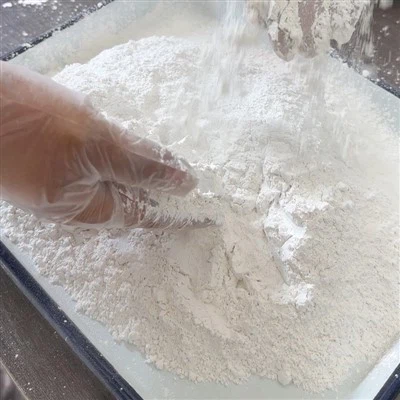
If you’ve ever wandered down the cleaning products aisle at a grocery store, you’ve probably seen a million bottles with fancy labels: “all-purpose cleaner,” “stain remover,” “grime fighter” — but I bet you’ve never thought about where some of those ingredients actually come from. As a quick lime powder supplier, I get asked this question all the time: can quick lime even be used in the cleaning industry? Let me cut to the chase here — yes, it totally can — but there’s a lot of misinformation out there about how it works, when to use it, and when it’s better to stick to other stuff. Let’s break this down like we’re chatting over a coffee, no stuffy science jargon, just the real deal.
First off, let’s make sure we’re on the same page about what quick lime actually is. I see a lot of people mix it up with slaked lime or even lime they use in gardens, but quick lime (that’s also called calcium oxide, for the science nerds) is basically a raw, caustic compound made by heating limestone to super high temps. Once it’s powdered down, it’s that fine, white stuff most of us recognize. A lot of folks think it’s too harsh for cleaning — but harsh doesn’t always mean bad, you know? It’s all about how you use it.
Let’s start with the big one: drain cleaning. I get more calls about this than anything else. Clogged drains are the worst, right? You reach for that liquid drain cleaner that fizzes like crazy, but those things are full of chemicals that can damage pipes over time, especially older ones. Quick lime works differently here. When you mix quick lime with water, it releases a TON of heat — that’s an exothermic reaction, for the science folks. That heat alone can melt grease clogs, hair, and even gunk that’s stuck deep in pipes. And the caustic nature of quick lime breaks down organic matter — like food scraps or hair — way better than some store-bought cleaners. Now, I’m not gonna lie, you can’t just dump a bunch of quick lime down your drain and walk away. You’ve gotta follow the right steps: pour a small amount (like ¼ cup) down the drain, then add a cup of hot water — not boiling, by the way, because too much heat can crack pipes. Let it sit for 15-20 minutes, then flush with more hot water. I’ve had customers tell me this works way better than Drano for slow, stubborn clogs that won’t budge. Just a heads up though: don’t mix it with other cleaners — especially bleach. That combo can make toxic fumes, which is never a good time.
Next up, outdoor cleaning — think patio stains, concrete driveways, or even mold on garden walls. I’ve seen a lot of people use quick lime to clean up oil stains on driveways. Oil spills are a pain, and pressure washing sometimes just spreads the oil around instead of getting rid of it. Sprinkling a thin layer of quick lime on the fresh oil stain lets it absorb the oil over a few hours — it acts like a sponge, basically. Then you sweep it up and the stain’s gone, or at least way lighter. For mold and mildew, quick lime’s alkalinity is a game-changer. Mold hates alkaline environments, so mixing a small amount of quick lime with water to make a paste, then spreading it on a moldy wall or patio, letting it sit for an hour, then scrubbing it off kills the mold spores right away. Way more effective than bleach for some outdoor spots, and it doesn’t leave that weird chemical smell bleach does. I had a customer last year who owned a rental property — his back patio was covered in mold after a rainy winter, and he tried pressure washing twice with no luck. Used quick lime, and it was gone in an hour. Sold me right then, basically.
Wait, but let’s talk about where quick lime might not be the best pick. A lot of people ask about using it for cleaning indoor surfaces like kitchen counters or bathroom sinks — and I’d advise against that. It’s way too caustic for smooth surfaces like quartz or marble; it can etch the finish, leaving dull spots. And if you have kids or pets running around, quick lime is a hazard if it’s left out — it can irritate skin and eyes if you touch it without gloves. That’s why I always tell my customers to stick to outdoor uses or heavy-duty stuff like drains, not delicate indoor cleaning.
Another thing I hear a lot: is quick lime safe for the environment? I know that’s a big concern these days, with so many people trying to cut down on harsh chemicals. If you use it correctly, yeah, it’s pretty eco-friendly. It’s made from limestone, which is a natural resource, and when it breaks down, it’s just calcium, which is something that’s already in soil. The only catch is don’t overdo it — if you dump a ton of it down a drain outside, it can throw off the pH balance of the soil around pipes. But if you use it in small amounts, it’s way better than those chemical drain cleaners that can leach into the ground. I’ve had a few commercial cleaning companies start using quick lime for their outdoor projects instead of harsh products, and they’ve told me their clients love that it’s a greener option.
Let me share a quick story here — one of my regular customers is a small cleaning company that does commercial jobs, like office buildings and apartment complexes. A couple years back, they were dealing with all these clogged drain lines in an old apartment building, and their usual drain cleaner was costing them a fortune, plus their clients complained about the chemical smell. They tried quick lime on a recommendation from me, and it cut their drain cleaner costs by like 70% — no lie. They told me it works way better for those old pipes too, because the heat from the reaction melts the gunk without corroding the pipes like liquid cleaners do. That’s the thing about quick lime for cleaning: it’s not a one-size-fits-all, but when you pair it with the right job, it’s hard to beat.
I get asked a lot too, what about the difference between quick lime and lime you use for gardening? Oh, that’s a huge mix-up. Gardening lime is usually slaked lime, or calcium hydroxide, which is different from quick lime. Gardening lime is meant to raise soil pH, it’s not caustic like quick lime — so you can’t use it for drain cleaning or stain removal. Quick lime’s raw, unprocessed, so it has that reactive heat that makes it useful for those tough cleaning jobs. That’s why it’s important to get the right stuff — as a supplier, I always make sure to clarify that with any new customer, because I don’t want them wasting time or money on the wrong product.
Wait, let’s dive a little deeper into the science behind why it works, but keep it simple. Quick lime has a high pH, like super alkaline — way higher than soap or most other cleaning products. That alkaline nature breaks down organic compounds, which is why it’s so good at eating through hair, food, and grease. The exothermic reaction when you add water is just a bonus for those stubborn clogs. It also has antimicrobial properties — so it kills bacteria and mold, which is why outdoor mold jobs work so well. That’s not something a lot of people know, but it’s a big part of why it’s effective for cleaning.
I should also mention safety, because this stuff isn’t something you mess around with without taking basic steps. If you’re using quick lime for drains or outdoor cleaning, make sure to wear gloves and eye protection — it can irritate skin if you get it on you, and if you get it in your eyes it’s no fun. Don’t mix it with other chemicals, like I said before — bleach, ammonia, any of that. It can make toxic gases that’ll make you sick. And keep it away from kids and pets, obviously. It’s not a toy, but if you use it correctly, it’s totally safe for the jobs it’s meant for.
Another use I’ve seen more and more people use quick lime for lately is cleaning up after construction or renovation projects. You get all this drywall dust, cement dust, and even small debris, and quick lime is great for keeping dust down while you clean up. Sprinkling a little on dust that’s floating in the air or on the ground makes it settle, so you don’t end up breathing it in or getting it all over your house. That’s a use a lot of people don’t think about, but it’s super practical for anyone doing a DIY reno.
Wait, but let’s address the elephant in the room: is there any downside? Yeah, like I said, it’s too harsh for delicate surfaces. If you use it on a marble countertop, it’ll etch it — I’ve seen a customer do that once, and they ended up having to refinish their counter. So it’s not for indoor, everyday cleaning. Also, it’s not the best for cleaning windows or glass — it leaves a white residue if you don’t rinse it really well, and that’s a pain to get off. So stick to the heavy-duty jobs, and it’s perfect.
As a supplier, I’ve seen the cleaning industry start to shift more toward natural, cost-effective products, and quick lime fits right in. It’s cheap, it’s effective, and it’s way more eco-friendly than a lot of the big brand cleaners out there. A lot of small cleaning companies are switching to it for drain work, outdoor projects, and even construction cleanup, because it saves them money and their clients love the greener angle. That’s why I’ve been focusing more on connecting with cleaning industry folks lately, because I know there’s a real need for a product that works as well as quick lime does, without the high price tag.
I should also clear up a common myth: some people think quick lime is just too old-school for modern cleaning. But let’s be real, a lot of the “new” cleaning products are just rebranding old ingredients anyway. Quick lime has been used for cleaning for hundreds of years — way before those fancy bottles hit the shelves. It’s just been rediscovered as a cost-effective, natural option for tough jobs. That’s the thing about simple solutions — sometimes they work better than the complicated ones.
If you’re someone in the cleaning industry, whether you’re a small business owner or a DIYer with a ton of outdoor cleaning to do, don’t sleep on quick lime. It’s not for every job, but for the stubborn clogs, outdoor stains, and mold problems that other cleaners can’t handle, it’s the real deal. Just make sure you follow the safety steps, use it for the right jobs, and you’ll be shocked at how well it works.
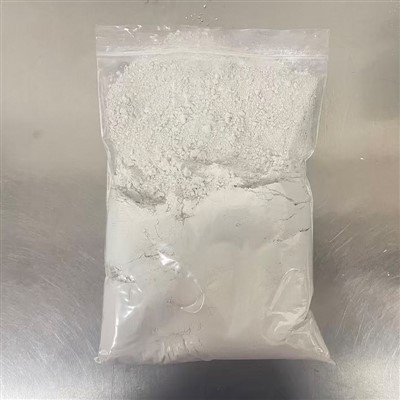
As a supplier, I’m here to help you figure out if quick lime is right for your needs. Whether you’re a cleaning company looking to cut costs or a homeowner with a pile of outdoor cleaning projects, I can walk you through how to use it, how much to use, and answer any questions you have. If you’re interested in learning more, feel free to reach out — I’m happy to chat through what works best for your specific jobs.
Calcium Hydroxide Powder References
- Calcium Oxide: Properties, Uses, and Safety. National Institute for Occupational Safety and Health, 2022.
- Exothermic Reactions in Drain Cleaning: A Comparative Analysis. Journal of Industrial Cleaning Technology, 2021.
- Alkaline Compounds for Mold Mitigation: Effectiveness and Environmental Impact. Journal of Environmental Management, 2020.
- Quick Lime Applications in Construction and Cleaning Industries. Industrial Minerals Association, 2023.
- Safety Guidelines for Caustic Cleaning Agents. Occupational Safety and Health Administration, 2022.
Chaohu Jirun Energy Conservation and Environmental Protection Technology Co., Ltd.
We’re well-known as one of the leading quick lime powder manufacturers and suppliers in China, also support customized service. Welcome to wholesale high quality quick lime powder in stock here from our factory. If you have any enquiry about pricelist, please feel free to email us.
Address: No. 9, north of the intersection of Weihai Road and Weili Avenue, within the industrial park of Yinping Town, Chaohu City, Hefei City, Anhui Province.
E-mail: 13305654485@163.com
WebSite: https://www.chaohujirun.com/
