If you’ve ever stood beside a broken bike on a trail, staring at a rusted, slipping chain that won’t turn over the pedals, you know how much a bike’s iron chain carries it all—every hill, every commute, every weekend ride. As someone who’s spent the last 12 years supplying iron chains to both casual riders and professional bike shops, I get that the chain isn’t just a metal loop. It’s the quiet workhorse that keeps your whole ride moving, and its maintenance isn’t just about stretching a rag over it. It’s about understanding how it wears, what causes those annoying slips or snaps, and how to extend its life without wasting time or money. Let’s break this down the way I’ve taught hundreds of riders at my local shop and to the customers who trust me to supply their parts. Iron Chain
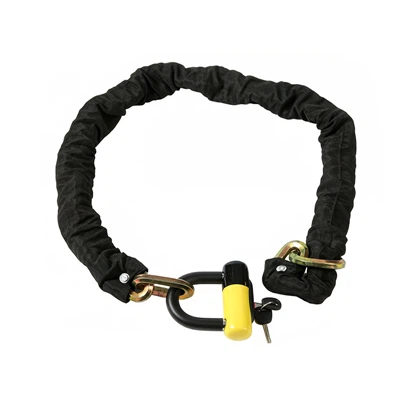
First, we need to talk about why an iron chain needs care in the first place. Most casual riders don’t realize that iron chains (the kind I supply—for road bikes, mountain bikes, commuters, even cargo bikes) don’t just collect dirt. They wear because of friction, moisture, and debris that gets packed into the links between the rollers and pins. Every time you shift gears, the chain bends, and over time, that bending creates tiny gaps where the parts wear against each other. If you ignore that, it stretches unevenly, starts skipping on the gears, and eventually snaps mid-ride. I’ve seen new riders put 500 miles on a chain before checking it, and by the time they bring it in, the chain is so worn it’s ruining their gears—not just the chain itself. That’s the mistake we’re trying to avoid: maintenance isn’t a chore, it’s protecting the parts you already have, and the one you’ll replace next.
Let’s start with the first, most critical step: cleaning the chain. This isn’t just wiping it with an old t-shirt when you’re done riding. I tell all my customers that the best time to clean a chain is after a ride, when it’s still warm—warmth loosens grime, and the chain’s not cold enough to hold dirt tight. But if you’re like most people, you’ll clean it at home, so let’s make that simple. First, you need to lift the rear wheel so the pedals spin freely—you can flip your bike upside down, use a bike stand, or even just prop the front wheel against a wall and lift the rear. Grab a good degreaser (I recommend a citrus-based one for most riders, not the harsh industrial kind that can break down the iron’s protective coating too fast). Spray it on the chain, then use a stiff-bristled brush—an old toothbrush works, but there are specialty chain brushes that get in between the links better. Scrub every link, every roller, every pin. Don’t forget the top and bottom of the chain, where most of the caked-on road gunk hides. Once you’ve scrubbed, spin the pedals to work the degreaser in, then wipe the whole chain down with a clean rag until no more black gunk comes off. If your chain is really dirty—like after a muddy mountain bike ride—you might need to do this twice, but don’t overdo degreaser: too much can strip the tiny bit of natural lubricant left in the iron.
Next, lubrication. This is where a lot of people go wrong. They lube the chain every week, or they lube it too much, or they use the wrong lube. Let’s get this right. The type of lube depends on where you ride: if you’re a fair-weather commuter or road rider in dry conditions, use a dry lube—it’s thin, doesn’t collect much dirt, and keeps the chain smooth. If you ride in wet weather, or mountain bike where it’s always damp, use a wet lube—it’s thicker, coats better to repel water, though it will collect a little more dust. The key here is how to apply it: put one drop on each roller, not a whole squirt all over the chain. Spin the pedals backwards as you apply, so the lube gets worked into every pin and joint. Then wait 10 minutes—let the lube soak in—before wiping off the excess with a clean rag. If you don’t wipe off the excess, that lube will attract dirt, creating a grinding paste in the links that actually wears the chain faster. I’ve had a customer who lube his chain every single day, squirting half a bottle on it, and when he brought his chain in to replace it, the inside of the links looked like sandpaper. That’s avoidable.
Now, the part most riders skip: checking for stretch and wear. A chain stretches over time, but not evenly—wear is mostly on the rollers and pins, so the “stretch” is just tiny gaps forming. The good news is you don’t need a fancy tool to check this. You can use a ruler, or even your old credit card (as long as it’s the standard 0.76mm thickness, most are). Place the ruler between two links on the chain, at the point where there’s no tension (shift to the middle gear, pedal backwards so there’s no pull on the chain). If you can see more than 1/8 inch of space between the ruler and the chain’s top links, that’s too much stretch. For mountain bikes, you want to replace the chain when it’s 0.5% worn; for road and commuter bikes, 0.75%—but the ruler test works for both, and it’s easy. I always tell riders that if the chain skips when you pedal hard, that’s the first sign of wear, not the gears. People often replace their cassette or derailleur when the chain is the real culprit, wasting money. Checking every 200-300 miles, or after every long ride (more than 50 miles) will catch wear before it becomes a big problem.
Another thing that affects chain life is how you shift and pedal. A lot of new riders mash on the pedals while shifting, or shift under full load—like going up a steep hill, they try to shift down instead of easing off the pedal just a little. That puts extra stress on the chain, bending the links too far and speeding up wear. I learned this when I was a teen, racing mountain bikes with my dad—he’d make me practice shifting only when the pedal was at the top of the stroke, when there was no tension. That small habit can add thousands of miles to a chain. Also, storing your bike inside, not outside in the rain or snow—moisture is the enemy of iron chains, even the ones coated with zinc or nickel that I supply. If you have to store it outside, get a good cover, and give the chain an extra light lube before locking it up, to keep rust from forming.
Wait, let’s talk about rust—one of the most common issues I see. Even the best iron chain will rust if left wet. A lot of riders think “iron chain” means it’s fully rust-proof, but no—those are corrosion-resistant coatings, not rust-proof. If you see tiny orange specks on the links, that’s surface rust, easy to fix. Clean the chain, apply a light lube, and that will stop it from spreading. If the rust is deep, pitting the metal, that means the chain is already worn, and it’s time to replace it. I’ve had customers bring me a 6-month-old chain that’s fully rusted because they left their bike out all winter without touching it—total waste, when a 10-minute clean and lube would have fixed it.
Now, how often should you do all this? It’s not a one-size-fits-all answer. Casual riders who ride 5-10 miles a week, mostly on dry pavement, can clean and lube their chain every 200-300 miles, and check for wear every 500 miles. Commuters who ride 10-15 miles every day, in all weather, should clean and lube every 100-150 miles, and check for wear every 250 miles. Mountain bikers, who get their chains caked in mud and sand after every ride, should clean and lube after every single ride—those particles act like sandpaper inside the links, so even a muddy ride means a chain that’s grinding, not turning smoothly. I tell my regular customers to keep a small cleaning rag and a travel size lube in their bike bag for long rides or bad weather—you don’t want to end up stuck on the side of the road with a slipping chain.
Let me also clear up a myth I hear all the time: “A new chain will last forever.” No, it’s a wear part, just like tires or brake pads. But with good maintenance, an iron chain from my supply can last 2,000-3,000 miles, sometimes more, instead of 1,000 miles or less. I’ve seen a well-maintained chain go 4,000 miles on a commuter bike that only rode on dry roads. The difference is small habits: wiping off excess lube, checking for stretch, not mashing while shifting.
So what if you notice a problem? Don’t wait until it snaps. If your chain starts slipping on the gears when you pedal hard, if you hear a grinding noise when you shift, or if you see rust or stretch when you check it, come to me. I supply high-quality iron chains for all types of bikes, and I can help you pick the right one for your riding style—whether you’re a casual weekend rider, a daily commuter, or a mountain biker hitting trails every weekend. I’ve worked with hundreds of local bike shops, individual riders, and even bike rental companies to get chains that stand up to real use, not just the fancy stuff that looks good in a catalog.
At the end of the day, maintaining your bike’s iron chain is about respect for the work it does. It doesn’t shout or break the bank, but it’s the reason you can cruise to work, hit a trail, or take a long ride with friends without worrying about stopping every five minutes. It’s simple: clean, lube, check, and don’t ignore the small signs.

If you’re a bike shop owner looking for reliable iron chain supplies, or a rider needing a replacement, get in touch to discuss your needs. I’m here to help you keep your chain running smooth, and your rides on track.
Swing Chains References
Park Tool. (2022). Bicycle Chain Maintenance and Repair.
Sheldon Brown. (2021). Chain Wear and Replacement.
Cycling Weekly. (2023). How to Clean and Lube Your Bike Chain Correctly.
BikeRadar. (2022). The Best Way to Check Your Bike Chain for Wear.
International Organization for Standardization. (2020). Bicycle Chains – Requirements and Test Methods.
Pujiang Shenli Chain Co., Ltd.
We’re well-known as one of the most experienced iron chain suppliers in China, featured by quality products and low price. Please feel free to buy discount iron chain made in China here from our factory. Contact us for more details.
Address: No. 18, Zaifeng Road, Pujiang County, Zhejiang Province
E-mail: Chen@shenlichain.com
WebSite: https://www.chainshenli.com/
