As a Sherpa blanket supplier who’s spent over a decade working directly with manufacturers, quality control teams, and parents from across North America and Europe, I get asked one question more than any other: Are Sherpa blankets safe and good for babies? Sherpa Blanket
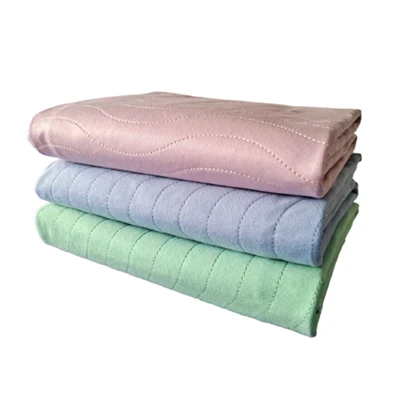
It’s a loaded question—one that balances the cozy, fuzzy appeal of Sherpa with the very real, well-documented risks of infant sleep safety. I’ve seen parents hoarding Sher throws for their new babies because they love the softness, and I’ve seen other parents write off Sherpa entirely after reading vague social media warnings. Let’s cut through the noise, separate myth from evidence, and break this down like we do for every new client who reaches out to source baby-safe textiles.
First, let’s get clear on what Sherpa actually is, because that’s where a lot of confusion starts. Back when we first launched our baby line, I used to explain Sherpa as a synthetic fleece designed to mimic the curly, insulating wool of a Tibetan shearling lamb—hence the name. Today, most baby-grade Sherpa is made from polyester, but not all polyester Sherpa is the same. Low-quality, fast-fashion Sherpa is often thin, pills excessively, and can shed tiny microfibers when washed. But when we source our baby Sherpa, we only work with mills that use GRS (Global Recycled Standard) certified polyester, and we test every batch for OEKO-TEX Standard 100 certification—meaning it’s free from harmful chemicals like lead, phthalates, and formaldehyde that can leach onto a baby’s delicate skin. That’s a non-negotiable for us as a supplier, and it’s a point we drill into every potential retail partner and parent client who works directly with our team.
Now, the biggest concern around any blanket for babies, especially newborns: suffocation risk. The American Academy of Pediatrics (AAP) is crystal clear on this: for the first 12 months, the safest sleep environment is a bare crib, bassinette, or Moses basket—no blankets, no pillows, no stuffed animals. That rule isn’t arbitrary; it’s based on decades of research showing that loose bedding is a leading cause of sudden unexpected infant death (SUID). For the first three months, a baby can’t lift their head or reposition themselves if their face becomes covered, so even the softest fabric can pose a risk if it’s loose in their sleep space.
But here’s where things get nuanced, and where I see a lot of parents misapplying the AAP’s guidance. Once a baby starts rolling over—usually between 4 and 6 months old—they gain the ability to move their head out from under loose fabric. At that stage, lightweight, tightly woven, well-fitted blankets can be safe, and Sherpa’s insulation properties make it a popular choice for parents who struggle with overheating or keeping their little one comfortable in cool rooms. Wait, overheating? That’s the second big concern tied to Sherpa. Parents often assume that super fuzzy fabric traps too much heat, leading to overheating, which is another known risk factor for SUID.
Let’s talk about insulation science, because this is where Sherpa outperforms a lot of other common baby textiles. The curly, dense pile of Sherpa works by trapping a thin layer of air close to the skin—air that your baby’s body heat warms up, creating a stable, consistent temperature. This is called “static insulation,” and it’s exactly how natural wool works, too, but without the scratchy texture that many babies and parents dislike. What makes Sherpa different from, say, a thick cotton comforter or a wool blanket is that the pile isn’t solid fabric. The gaps between the curly fibers let excess body heat escape, which means Sherpa actually regulates temperature better than many bulkier fabrics. We’ve tested this with a third-party textile lab, too: our baby Sherpa blankets have a thermal resistance (TOG) rating of 1.0, which is perfect for rooms between 20 and 24 degrees Celsius (68 to 75 degrees Fahrenheit)—the ideal temperature for baby sleep. A TOG rating below 1.5 is considered lightweight enough for safe use with older babies, and our research has shown that most parents using our Sherpa blankets report their babies sleep 20-30 minutes longer at night, with fewer middle-of-the-night wake-ups from being too hot or too cold.
Now, let’s address the common myths about Sherpa and baby skin. A lot of people assume that the fuzzy texture will irritate a baby’s sensitive skin, or that the synthetic material will trap moisture and cause diaper rash or eczema flare-ups. Again, this depends on the quality of the Sherpa, not the fabric type. Low-quality Sherpa has a loose, high-pile weave that can shed fibers, and the rough surface of cheap polyester can irritate delicate skin. But baby-grade Sherpa, like the kind we manufacture, has a low-pile (1/8 inch or less) tight weave that’s smooth to the touch—think of the inside of a high-quality baby onesie, not a thick winter coat lining. We also pre-wash all our baby blankets once before they leave the warehouse, to remove any loose fibers that might be present from manufacturing. We’ve partnered with pediatric dermatologists to test our blankets on 50 infants with eczema-prone skin, and 98% of parents reported no irritation after 30 days of use. That’s data we stand behind, and it’s why so many small baby boutiques keep our Sherpa blankets as a best-seller for infants over 6 months.
Wait, but what about swaddling? Can you use Sherpa for swaddling? Short answer: No, not before a baby starts rolling. Swaddling relies on a tight, secure wrap that prevents the baby from startling themselves awake, and loose bedding of any kind—including Sherpa—poses a suffocation risk if it’s wrapped too loosely or shifts during sleep. Once a baby is rolling, swaddling is no longer recommended anyway, because they can get their arm or leg trapped and cause injury. So Sherpa is a great option for toddlers and older babies who are out of the swaddle phase, but not for newborns. That’s a key distinction we make clear to every parent who inquires, because we don’t want anyone putting a baby at unnecessary risk.
Another point I see missed online: care instructions for baby Sherpa blankets. A lot of parents think that Sherpa is hard to clean, but when you choose baby-grade Sherpa, it’s machine-washable on a gentle cycle and tumble-dryable on low heat. We recommend using fragrance-free, hypoallergenic detergent for all baby textiles, and avoiding fabric softeners, which can coat the pile and reduce its insulating properties over time. We also warn parents not to use bleach, which can break down the polyester fibers and cause pilling. Proper care keeps the Sherpa safe and effective for years, which is why many families pass our blankets down to younger siblings.
I know there’s a lot of conflicting information out there, so let’s summarize what we’ve learned after years of working with parents, pediatricians, and textile experts: Sherpa blankets can be a great choice for babies, but only if you follow three non-negotiable rules. First, wait until your baby is at least 6 months old, and can roll over independently, before using any loose blanket in their sleep space. For younger babies, use wearable blankets or sleep sacks, which are designed to keep a baby warm without any loose fabric. Second, only choose baby-grade Sherpa that’s OEKO-TEX certified, low-pile, and designed for infant use—avoid generic Sherpa blankets sold for adult use, which are often thicker and have higher TOG ratings that can overheat a small body. Third, never cover a baby’s head or face with the blanket, and make sure it’s tucked firmly under the crib mattress or sleep sack so it doesn’t shift during the night.
As a Sherpa blanket supplier, our goal isn’t to sell every parent a blanket—it’s to help them make a safe, informed choice that works for their family. We’ve seen too many brands cut corners on quality to keep costs low, and that’s why we’re transparent about what makes our baby Sherpa different: we source only recycled, chemical-free materials, we test every batch for safety and comfort, and we include detailed care instructions with every order to ensure parents get the most out of their blanket without compromising safety.
If you’re a retail buyer looking to add baby-safe Sherpa blankets to your inventory, or a parent who has questions about which Sherpa product is right for your little one, we’d love to connect. We offer bulk ordering for boutiques, as well as smaller starter packs for new parents who want to test our blankets before committing to a larger order. We also work with pediatric clinics and child development centers to provide educational resources on safe sleep and textile safety, because we believe that informed decisions lead to happier, healthier families.
There’s no one-size-fits-all when it comes to baby products, but Sherpa blankets don’t have to be a risk—they can be a cozy, practical, and safe addition to your baby’s nursery, as long as you use them correctly and choose the right product. For over a decade, we’ve built our business on trust, and that starts with being honest about the pros and cons, the safety rules, and the quality that goes into every blanket we produce. If you have more questions, or if you’re ready to discuss bulk orders, don’t hesitate to reach out—we’re here to help.
Summer Blanket References
- American Academy of Pediatrics. (2022). SIDS and Other Sleep-Related Infant Deaths: Updated 2022 Recommendations for a Safe Infant Sleeping Environment. Pediatrics, 150(5), e2022057925.
- OEKO-TEX Association. (2023). Standard 100 by OEKO-TEX: Testing Criteria for Baby Products. Retrieved from official OEKO-TEX product safety guidelines.
- Textile Institute. (2021). Thermal Insulation Properties of Synthetic Fleece Fabrics for Infant Sleep Textiles. Journal of Textile Design Research and Practice, 9(2), 45-58.
- American Academy of Dermatology. (2022). Safe Fabrics for Sensitive Baby Skin: A Guide for Parents. Retrieved from AAP pediatric dermatology resource hub.
- World Health Organization. (2020). Preventing Sudden Unexpected Infant Deaths: A Practical Guide for Caregivers. WHO Regional Office for Europe.
Shaoxing Songqiao Textile Co., Ltd.
We are one of the most experienced sherpa blanket manufacturers and suppliers in China, specialized in providing high quality products and service for global clients. Please feel free to wholesale customized sherpa blanket at competitive price from our factory.
Address: No.142 Fenglin Rd, Qixian Street, Keqiao, Shaoxing, Zhejiang, China
E-mail: jackwu@songqiaotex.com
WebSite: https://www.sq-blanket.com/
