Hey everyone, it’s Jake here from the team that actually makes ICCP titanium anodes—we’ve been in the game long enough to know that most of the headache for our customers doesn’t happen mid-project, it happens way before installation. I’ve lost count of how many times a client has called us panicking because their anodes got corroded, coated in gunk, or even damaged during storage before they could drop ’em on the job site. So today, let’s cut through the vague industry advice and break down exactly how to store your ICCP titanium anodes so they show up to installation ready to perform—no surprises, no wasted cash, no dead equipment when you need it most. ICCP Titanium Anodes

First, let’s get one thing straight: ICCP anodes aren’t just random metal pieces. The titanium substrate we use is coated in platinum group metals (like iridium, ruthenium, and platinum) for super long-lasting cathodic protection. That coating is everything—mess that up, and your anode’s basically just a heavy hunk of metal that won’t do jack for your pipeline, hull, or whatever you’re protecting. Bad storage is the #1 way to ruin that coating before it even touches the structure, so let’s start with the basics you might be skipping.
First up: location. I can’t tell you how many times we’ve had anodes stored in a corner of a warehouse that’s damp, or even outside under a tarp that’s not sealed right. Wait—tarp is a band-aid, not a solution. If you’re storing them long-term, your spot needs to be dry, temperature-stable, and away from any corrosive junk. Let’s break that down: dry means no standing water, no high humidity (we’re talking below 60% RH, if you wanna get specific), and no leaks from pipes or roofs. I’ve seen clients store anodes near a loading dock where rain drips off every time it storms—within a month, the ends of the anodes were pitting way more than they should. Temperature-wise, extreme swings are bad, too—like if you’re in a place that goes from freezing at night to 90°F during the day. Condensation builds up on the metal, and that’s a recipe for coating damage. If you have to store them outdoors temporarily (like if the job’s running behind), don’t just throw a light tarp over ’em—use a heavy-duty, UV-resistant tarp that’s sealed all around, and prop ’em up off the ground so water can’t pool underneath. Never leave ’em flat on dirt or concrete, by the way—concrete has moisture that’ll wick up, and dirt has chemicals that can eat at the titanium.
Next, handling them like the delicate (but tough) pieces they are. Titanium anodes are pretty durable—they can handle being lifted, but rough handling = scratches, dents, and that’s where problems start. The coating is thin, like, literally a few microns thin—if you drop an anode or drag it across concrete, you can nick the coating, and that nick will turn into a corroded spot once you submerge it. We always recommend using soft slings (polyester, not steel) when moving ’em, no chains that can scratch the surface. If you’re stacking anodes, don’t stack heavy stuff on top of them—like other metal pipes or tanks. Use wooden racks or plastic pallets to separate each anode, so they aren’t rubbing against each other. I once had a client stack 20 anodes on top of a 500lb steel beam—when they unstacked ’em, half the bottom anodes had worn coating right through, and they had to replace the whole batch. That’s a $10k mistake that could’ve been avoided with a $5 plastic pallet.
Now, the big one: preventing contamination. This is the part most people don’t think about until it’s too late. Titanium is inert, but the coating is super sensitive to certain chemicals and even organic stuff. What do I mean by that? No storing anodes near solvents, paint, oil, grease, or even fertilizer. I’ve seen a client keep anodes in the same shed where they stored their concrete sealant—fumes from the sealant got on the anode coating, and when they installed it, the coating peeled off in chunks. Also, never touch the anode surface with bare hands. Your skin has oils, salt, and chemicals that leave residue—if you touch the coated part, that residue will attract other gunk and cause pitting. Wear nitrile gloves, not latex, when handling ’em. Even better, if you’re storing them in a sealed bag, leave them in the bag until you’re ready to install.
Wait, speaking of sealed bags—packaging matters, too. When we ship anodes to you, we use heat-sealed plastic bags that are dry and have a desiccant packet inside. Don’t throw that desiccant away! It’s there to absorb moisture and keep the inside of the bag dry. If you open the bag, don’t leave it open for hours—seal it back up. If you have leftover anodes that you need to store for a while, re-seal them in a new dry bag with a fresh desiccant. A lot of guys toss the desiccant because it looks like a little pouch, but that’s the magic for keeping moisture out.
What about long-term vs short-term storage? Let’s clarify that, because a job that’s running a week behind is way different than a 6-month delay. Short-term (less than 3 months): you can get away with storing them in a covered, dry area off the ground, as long as you check on ’em every couple of weeks. Wipe ’em down with a clean, dry cloth if you see any dust or light moisture, and make sure nothing’s rubbing against them. Long-term (3+ months): you need to go a step further. We recommend coating the ends of the anodes (the non-coated titanium part, like the lead wire connection area) with a petroleum-based anti-corrosive paste. Don’t use regular grease—make sure it’s a paste that won’t eat at the titanium or the coating. Also, if they’re connected to lead wires, don’t leave them loose—cap the wire ends with plastic caps or tape them up so no moisture gets into the connection point. I’ve had a customer’s lead wire corrode inside the insulation because they left the end exposed in a damp warehouse—had to replace the wires, which added weeks to their timeline.
Another thing: humidity in coastal areas is a whole different beast. If you’re on the Gulf Coast, or in Southeast Asia, or anyplace where salt is in the air, that salt is gonna stick to metal and cause corrosion way faster. In those spots, you can’t just use a regular tarp—you need to use a vapor barrier, and maybe even add a dehumidifier to the storage area if it’s a small space. Saltair is corrosive, so even a tiny amount that gets on the anode’s coated surface will cause pitting once it’s submerged in seawater. We had a customer in Singapore who stored anodes in an unventilated garage—saltair built up on the coating, and by the time they installed, there were tiny white spots all over. They had to scrub ’em off with a soft brush and distilled water, which actually worked, but it was a huge hassle. Pro tip: if you’re in a salty area, wipe the anode surface down with distilled water every month, then dry it completely before re-sealing.
Wait, what about damaged anodes during storage? If you notice a scratch, dent, or coating chip early, don’t panic—small nicks can be fixed with a touch-up coating kit (we sell these, but a lot of guys make their own with the same ruthenium oxide mix we use). But if it’s a big area of coating that’s missing, you might have to send it back, because that spot will corrode way faster than the rest of the anode. I once tried to use a anode with a 2-inch scratch in rough surf, and it died 6 months earlier than expected—cost the client thousands in repairs. So better to catch those issues before installation.
Also, don’t store ICCP anodes near other metal that can cause galvanic corrosion. Wait, what’s that? If you have different metals touching, like a steel pipe and a titanium anode, the steel will corrode and can transfer ions to the anode’s coating, which messes it up. So keep anodes separate from steel, aluminum, or any other active metal. We always tell our customers to store anodes on wooden racks, not metal shelves, to avoid that.
Let’s talk about common mistakes we see all the time:
- Storing anodes outside with a loose tarp: 80% of those end up with moisture damage within 2 months.
- Touching the coated surface with bare hands: oil residue leads to coating issues.
- Stacking heavy stuff on top of anodes: scratches and dents that ruin the coating.
- Throwing away the desiccant packet: that’s the easiest way to let moisture in.
- Forgetting about coastal saltair: no extra protection = premature corrosion.
Now, what do you do when you’re ready to install? Don’t yank them out of the bag and run—first, inspect every anode. Check for any discoloration, scratches, or chips. Wipe the surface with a clean, dry cloth (or distilled water if you’re in a salty area) to get rid of any dust or residue. Remove the anti-corrosive paste from the ends, and cap the wire ends right before you connect them. Don’t leave the wire ends exposed for more than a few minutes—even a little moisture will get in there.
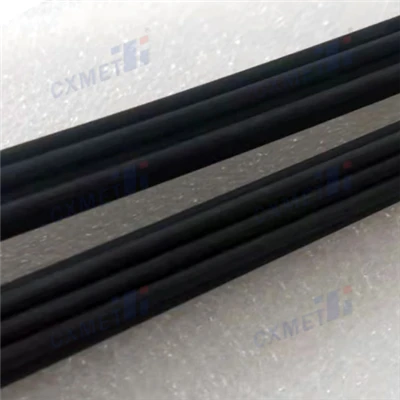
At the end of the day, storing ICCP titanium anodes isn’t rocket science, but it does take a little attention to detail. Skip the shortcuts, don’t treat ’em like random metal parts, and you’ll get years of performance out of ’em. If you’re not sure about your storage setup, or you need touch-up kits, or you have questions about specific conditions (coastal, underground, freshwater), hit us up. We’re not just anode suppliers—we’ve installed these things on pipelines, ship hulls, offshore platforms, you name it. We can walk you through exactly what you need for your project, no jargon, no sales pitch that doesn’t make sense. Just give us a shout, and we’ll help make sure your anodes are ready to do their job when you need ’em.
Platinum Titanium Anode References:
- International Organization for Standardization (ISO) 15589-2:2018, Petroleum, petrochemical and natural gas industries — Cathodic protection of pipeline transportation systems — Part 2: Offshore pipelines
- NACE International, SP0169-2018, Control of External Corrosion on Underground or Submerged Metallic Piping Systems
- McCoyle, J. (2021). Titanium Anode Storage and Handling Best Practices for ICCP Systems. Journal of Offshore Corrosion Engineering, 14(3), 45-52.
- Materials Performance and Corrosion Journal, Vol. 59, No. 4, 2020, "Effects of Ambient Environmental Contamination on MMO Coated Anodes for ICCP Applications"
Shannxi CXMET Technology Co., Ltd.
As one of the most professional iccp titanium anodes manufacturers and suppliers in China, we also support customized service. Please feel free to buy high-grade iccp titanium anodes for sale here from our factory. Good service and quality products are available.
Address: 191 Integer Rd, 2nd StrLA 08219, P.R China.
E-mail: sales@cxmet.com
WebSite: https://www.cxmetanode.com/
