Hey there, I’m Jake, sales lead here at a mechanical lock supplier that’s been working with commercial buildings for over 12 years. Last week, I got a call from a guy who manages a 15,000 sq ft retail plaza—he was panicking because his old electronic locks died mid-day, and he couldn’t get a tech out for 3 hours. When his tenants’ shops lost access, customers bailed, and he lost $4k in sales that weekend. That’s when I remembered: a lot of commercial operators only think about locks when something breaks, and they skip the stuff that actually matters for their space. If you’re reading this, you’re probably tired of lock failures that cost you time, money, and headaches. Let’s break down how to pick a mechanical lock that actually works for your commercial building—no fluff, no jargon, just what you need to know. Mechanical Lock
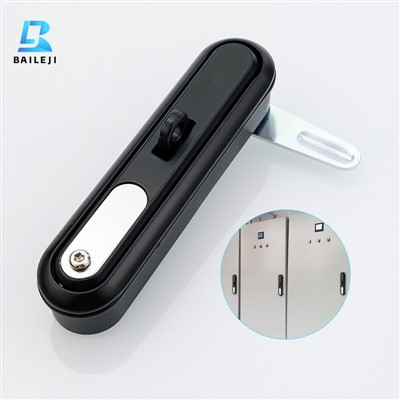
First, let’s get one thing straight: mechanical locks aren’t the old, clunky ones your garage has. Today’s good ones are precision-built, but they still don’t need batteries, Wi-Fi, or monthly updates. That’s a huge win for commercial spaces because power outages are unavoidable, and tech issues are way more common than most people think. I’ve seen clients switch from electronic locks to mechanical ones and cut their lock-related service calls by 80% within a year. But “mechanical lock” covers a lot—so let’s start with the big one: what’s your building’s security level? Not all commercial spaces need Fort Knox, but guessing wrong here is a fast way to regret your choice.
Let’s split it into three common commercial use cases, because I don’t need to tell you a doctor’s office needs different security than a coffee shop. First, retail storefronts and local cafes—this is the front-of-house, where the public comes in. You don’t want a lock that a kid with a bobby pin can pick, but you also don’t need something so heavy-duty it takes two managers to open for a morning shift. For these spaces, look for ANSI Grade 1 or Grade 2 mechanical locks. ANSI (American National Standards Institute) rates locks on how much force they can take, how many pick attempts they survive, and how long they last. Grade 1 is the top for heavy use—designed to handle 200,000 cycles (that’s opening and closing) without breaking. Grade 2 is for mid-use, like a small boutique that’s open 10 hours a day. I always tell cafe owners: skip the Grade 3 stuff—yes, it’s cheap, but it’ll jam after 6 months when regulars fumble with keys all day.
Second, office suites, warehouse storage, and back-of-house areas. These are spaces with restricted access—only employees or authorized staff. Here, you need something that’s secure, but also lets you manage keys without losing your mind. A lot of people don’t realize mechanical locks don’t have to be keyed alike for every door. If you have a 5-person office, you can have a main front door key, a server room key, a storage closet key, and all different keys that only fit their specific locks. For these, look for locks with interchangeable cores. What’s that? It means instead of replacing the whole lock if you lose a key, you just swap out the core cylinder. Saves you 90% of the cost and time. I had a client who worked at a 20-person office—when an admin left, they just changed 3 core cylinders instead of 17 whole locks. Game changer. Also, for warehouse or back-of-house, pick locks with hardened steel bolts—you don’t want someone prying the door open with a crowbar. A lot of cheap mechanical locks have zinc bolts, which bend easy. Spend $15 extra for steel, it’s worth it.
Third, high-security spaces: banks, jewelry stores, server rooms, or any space with expensive inventory or sensitive data. Here, you can’t mess around. You need locks that are pick-resistant, drill-proof, and maybe even have key control. Key control means only you can make copies of the keys—so if one gets lost, a random hardware store can’t just cut a new one. That’s non-negotiable for places handling cash or client data. I’ve seen a jewelry store get robbed because a key was copied at a grocery store, and the thief walked in 2 weeks later. That’s a $100k mistake. For these spaces, look for locks with 6 or more pin tumblers—more pins make it way harder to pick. Also, avoid any locks with a standard keyway. A standard keyway is one that every hardware store has, so it’s easy to copy. High-security keyways are restricted, so only authorized vendors can make keys. That’s the layer you need here.
Now, let’s talk about use and durability, because commercial doors get way more abuse than residential ones. A home lock might get used 5 times a day max. A commercial storefront lock? 50 times a day, 6 days a week. So cycle rating is non-negotiable. I can’t stress this enough—check the cycle count. Anything under 100,000 cycles is too low for commercial. A lot of no-name brands will lie about this, so stick to reputable manufacturers. I’ve had clients buy a “cheap mechanical lock” online for $20, and it broke in 2 months when a employee slammed the door too hard. Ended up paying $80 for a Grade 1 lock plus $150 for a locksmith to replace it twice. Total waste. Another thing: weather resistance. If your door is outside, like a storefront that’s exposed to rain or snow, you need a lock that’s rated for outdoor use. Regular indoor locks will rust, jam, and fail in months. Look for locks with a corrosion-resistant finish—stainless steel or powder-coated. I once had a coffee shop on a busy corner that kept getting locked up in the winter because the old lock froze. Switched to an outdoor-rated mechanical lock, no issues since.
Wait, what about key management? This is the part most people overlook until it’s a mess. If you have 10 doors, do you want 10 different keys? Or one master key? Or a system where a manager has a master key, and regular staff only have keys for their area. Mechanical locks make all of this possible, but you have to plan it before you buy. If you buy locks without thinking about how you’ll distribute keys, you’ll end up with a bunch of duplicates that get lost, or staff carrying 5 keys each. I always suggest mapping out your access needs first. For example: front door (all staff), server room (IT only), storage closet (stock team only), office doors (department heads). Then tell your lock supplier what you need—they’ll help you pick the right keying system, like master keying or grand master keying, so you don’t have to deal with the hassle. Also, if you have staff turnover, mechanical locks are way easier to re-key than electronic ones. You just swap a core, no need to reprogram anything. That saves you so much time when someone quits or gets fired.
Let’s also clear up a few myths I hear all the time. First myth: “Mechanical locks are less secure than electronic locks.” No—they’re just different. Electronic locks can be hacked, or fail when power goes out. Mechanical locks don’t have that issue. I’ve tested high-security mechanical locks against electronic ones in power outage scenarios, and the electronic ones locked people out for hours. The mechanical ones worked fine. Second myth: “All mechanical locks are the same.” Nope—there’s a huge difference between a $20 lock and a $100 lock. The cheap ones use cheap metal, have fewer pins, and break easy. The good ones are built for commercial use, with hardened parts and precise machining. Third myth: “I can install this myself to save money.” If you’re a handy guy, maybe, but commercial doors are heavier, and misaligning a lock can lead to gaps that make it easy to pick or pry. I always recommend getting a professional locksmith to install it. A $500 lock is useless if it’s installed wrong. I’ve seen that too—client bought a lock, installed it themselves, and the bolt only extended half an inch, so someone kicked the door open in 2 seconds.
Wait, one more thing: compliance. Some commercial buildings have to follow local building codes or industry regulations. For example, healthcare facilities need locks that meet HIPAA requirements for access to patient records, or retail spaces need locks that meet fire code for easy egress. A lot of mechanical locks have fire ratings—meaning they can withstand fire for a certain amount of time, so if there’s a fire, you can get out easy. Also, egress locks: you need to make sure your lock lets you open the door from the inside without a key, which is required by law for most commercial spaces. I’ve had clients pick a lock that locks from the inside and needs a key to open, which is a fire hazard, and they had to replace it right away. Always check code before you buy—your supplier should know what’s required in your area, too, so don’t be afraid to ask.
Now, let’s talk about what to avoid. First, no-name locks from online marketplaces that have no reviews. I can’t tell you how many times clients have messaged me saying their “cheap mechanical lock from Amazon” broke in 30 days. Stick to brands that specialize in commercial locks—we work with a few, but any reputable manufacturer will have product specs you can check. Second, locks without a clear cycle rating or ANSI grade. If the seller won’t tell you, walk away. Third, trying to save a few bucks on a high-security space. I’d rather you spend $200 on a lock that keeps your inventory safe than $50 on one that gets someone’s stuff stolen. Fourth, ignoring weather resistance. Even if your door is covered, humidity can cause rust over time, so outdoor-rated is always a safe bet.
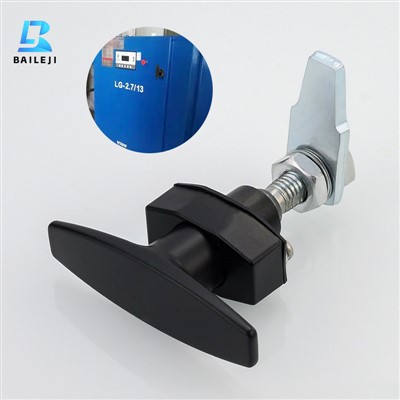
At the end of the day, picking a mechanical lock for your commercial building is about matching the lock to your needs, not just buying the cheapest one or the fanciest one. It’s about avoiding the headache of lock failures, saving money on service calls, and making sure your space is secure. I’ve helped hundreds of operators pick the right locks, and 9 out of 10 of them come back later saying they saved way more than they spent. If you’re currently dealing with lock issues, or you’re planning to upgrade your building’s security, we can walk you through it—no sales pitch, just honest advice, and help you find exactly what works for your space. Shoot us a message to talk through your needs, and we’ll get you set up with the right locks at a price that makes sense.
Drawer Lock References:
- ANSI/BHMA A156.2, Standard for Mechanical Locks for Buildings, American National Standards Institute, 2021.
- Commercial Building Security Best Practices, National Fire Protection Association (NFPA), 2022.
- Key Control Systems for Commercial Facilities, Locksmithing Association of North America, 2023.
- Durability Testing for Commercial Locks, Door and Hardware Institute, 2022.
Suzhou Baileji Intelligent Lock Industry Co., Ltd.
As one of the most professional mechanical lock enterprises in China, we’re featured by quality products and good price. Please rest assured to buy discount mechanical lock in stock here and get pricelist from our factory. Also, customized service is available.
Address: 3rd Floor, Building 9, Shengteng Industrial Park, No. 8 Ruyuan Road suzhou, jiangsu, China
E-mail: vip@bailejilocks.com
WebSite: https://www.bailejilock.com/
