Hey there, if you’ve ever stood in the appliance aisle, staring at a row of chest freezers wondering why some feel solid as a rock and others sound like they’re about to rattle off the shelf when you shut the lid—well, same. As a chest freezer supplier, I get asked this stuff all the time, but most people don’t stop to think about what’s actually going on inside that big, boxy metal thing keeping their frozen pizza and bulk meat ice-cold for months. Today, let’s dive into the real materials that make a chest freezer work, and why none of them are just there for looks. Chest Freezer
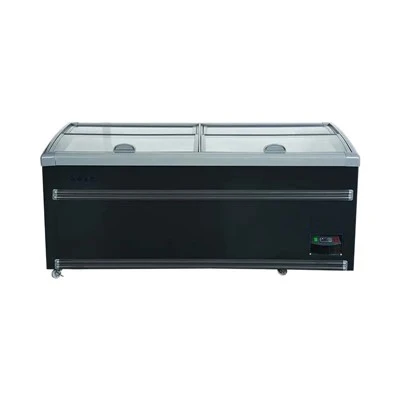
First off, let’s start with the part you see every single time you walk up to it: the outer cabinet. I know, it just looks like “metal” right? But it’s not just any metal. Most chest freezers out there (including our line) use galvanized steel for the outer shell. Here’s why that matters: galvanized steel gets dipped in a zinc coating, right? That little zinc layer is a total game-changer because it stops rust in its tracks. Think about it—chest freezers get moved around, they get knocked into by a shopping cart at the hardware store, maybe you spill some soda on the side and don’t wipe it up right away. If it was regular steel, that rust would start bubbling up before you know it, and suddenly your once nice chest freezer has ugly brown spots that won’t go away. Some cheaper brands skip this and use plain steel, but trust me, that’s a false economy. A chest freezer is a long-term investment—most people keep theirs for 10+ years—so you want that outer layer to hold up. We also add a thin powder coat finish on top of the galvanized steel, just to give it a little extra scratch resistance and a matte or glossy look that fits in any garage, basement, or kitchen. No chipping, no fading, even if you store it in a spot that gets a little direct sunlight here and there.
Next, the inner liner, the part that touches all your frozen food. This one’s a big deal because it’s not just about being easy to wipe up when you spill a bag of frozen peas. The inner liner is almost always made of high-density polyethylene, or HDPE for short. You’ve probably heard of HDPE if you’ve seen plastic milk jugs, but for chest freezers, we use a food-grade, heavy-duty version of it. Why HDPE? First, it’s non-porous, so bacteria or mold can’t grow in those tiny little holes that might be in other plastics. That’s a huge safety thing, because you’re storing food in there for months. Second, it’s super flexible but tough—if you drop a frozen turkey on it, it won’t crack like glass or some cheap plastic would. I’ve seen so many customers come back with liners that have cracks from moving heavy boxes around, and that’s almost always because a brand used a low-grade HDPE to cut costs. Ours is thick enough that even if you slam a metal ice pick into it (hey, we’ve all been there when we forget we left that bag of ice in there for a year), it won’t puncture. Also, HDPE is easy to clean—just wipe it down with soapy water, no fancy cleaners needed, which is a win for anyone who’s ever had to scrub out a chest freezer after a power outage that made everything thaw a little.
Now, the part that most people never even think about, but is probably the most important for how well your chest freezer works: the insulation. This is the stuff that’s sandwiched between the outer cabinet and the inner liner, and its whole job is to keep cold air in and warm air out. If this insulation is bad, your freezer will run nonstop, rack up huge electric bills, and stop keeping your food frozen. For chest freezers, almost all quality brands (again, including us) use polyurethane foam insulation. Wait, not the kind of foam you use for couch cushions—this is a rigid, closed-cell polyurethane foam. Closed-cell means the bubbles are all sealed shut, so air can’t move through them easily. That’s key because air movement is what transfers heat. If the insulation was open-cell, the warm air from outside would seep right in, and you’d never get a consistent temperature. Polyurethane foam is also really denser than other types of insulation, which means you don’t need a ton of it to get the same cooling power. Some super cheap chest freezers use less insulation to make the unit thinner, which might save them a few bucks upfront, but your electric bill will be way higher every single month. We use exactly the right amount of high-density polyurethane foam—enough to keep your freezer at a steady -18°C (or 0°F, for my American customers) all year, no matter how hot it gets outside. Oh, and one bonus point: the foam is CFC-free, by the way. All our materials are eco-friendly, no ozone-depleting stuff, which is a big deal for us as a supplier who cares about more than just making a sale.
Let’s talk about the lid, since chest freezers are totally different from upright ones—you lift the whole top, not open a door. The lid has a few parts, right? The outer lid, the inner lid liner, and then that rubber seal around the edge. The outer lid is usually made of the same galvanized steel with powder coat as the outer cabinet, so it matches. The inner lid liner is HDPE, same as the inner cabinet, so it’s easy to clean. But that rubber seal—we call it a door gasket, but for a lid it’s the same thing— is where the magic happens. This is a flexible rubber strip that runs all the way around the edge of the lid, and its job is to make an airtight seal when you close the lid. The material here is usually EPDM rubber, which is a type of synthetic rubber that’s super flexible, durable, and resistant to extreme cold. Why EPDM? It doesn’t get stiff or crack after years of being closed and opened, even when it’s -20°C inside the freezer. A lot of gaskets on cheap freezers are made of regular rubber, which gets hard over time, cracks, and lets warm air seep in. That’s when your freezer starts running nonstop. We design our gaskets to snap in tight to the cabinet rim, so you never have to worry about them coming loose, and if you ever do need to replace one (which takes like 2 minutes, by the way), it’s super easy to order a replacement. Some people even put a little soapy water on the gasket once a year to keep it soft, and that’s it—no maintenance needed.
Now, the cooling system parts—you know, the compressor, the condenser coil, the evaporator, all the stuff that actually makes the cold air. These are the unsung heroes of the chest freezer, and the materials here matter a lot too. The compressor is the heart of the system, and most compressors in quality chest freezers are made of heavy-duty steel or cast iron, because they have to handle constant, heavy use. You don’t want a flimsy compressor that breaks down after a couple years. The condenser coil, which releases heat from the refrigerant, is usually made of copper or aluminum. Copper is better at heat transfer, so it’s more efficient, but it’s a little more expensive. We use copper condenser coils in our mid-range and premium models, and aluminum in our budget line (it’s still durable, just a tiny bit less efficient, but we make up for it with extra insulation so you don’t notice a big difference in your electric bill). Wait, but there’s a catch—some brands use aluminum coils that are really thin, so they corrode faster. Ours are thick enough to last 10+ years, even if they’re in a dusty garage where they get exposed to a little moisture. The refrigerant itself—all modern chest freezers use R600a, right? That’s a hydrocarbon refrigerant, which is way more eco-friendly than old CFCs, and it’s more energy efficient too. No ozone damage, lower global warming potential, and it makes the cooling system work better.
What about the hardware? Like the hinges that hold the lid on, and any handles you have. Those are small, but they matter. Hinges are usually made of zinc-plated steel, so they don’t rust, and they’re designed to hold the lid open at any angle—you know, when you’re loading big boxes and don’t want the lid slamming down on your head. Handles are plastic, but again, food-grade HDPE or a strong ABS plastic, so they don’t crack if you pull on them when your hands are full. We also make sure all the hardware is sturdy—no flimsy hinges that bend after a few months of lifting heavy lids. I’ve had customers tell me they’ve used their chest freezers for 15 years and never had to replace a hinge, and that’s exactly what we’re going for.
Wait, let’s not forget the bottom of the freezer, or the feet. Most chest freezers have adjustable plastic feet, right? Those let you level the freezer on uneven floors, which is important for the lid to seal properly. If the freezer is tilted, the lid won’t sit right, and air will leak in. The feet are made of durable, impact-resistant plastic, so they don’t crack if you roll the freezer around to clean under it, or if you step on them by accident. Some cheaper models have fixed feet, which is a total pain if your garage floor has a dip or is uneven. We make all our feet adjustable, that’s just standard for our line.
Now, let’s get real for a second—why does all this matter to you, the person buying a chest freezer? I’ve been a supplier long enough to know that a lot of shoppers just look at the price tag. But if you skimp on materials, you’ll end up paying more later. A cheap chest freezer with thin insulation, a flimsy gasket, and a bad compressor might be $100 cheaper upfront, but it will run 24/7, add $50 a year to your electric bill, and die in 5 years. Our chest freezers might be a little more expensive, but they use all the materials I talked about—galvanized steel, food-grade HDPE, polyurethane foam, EPDM gaskets, heavy-duty cooling parts—so they last 10, 15, even 20 years, and keep your food frozen properly the whole time. Plus, our electric bills are way lower because of the good insulation and efficient cooling system.
I also get asked all the time if there’s any other materials we use. Oh, right—some people might notice a thin layer of aluminum foil? No, wait, we don’t use foil inside. Wait, no, there’s also the electrical parts—wiring, which is insulated with PVC, safe for use near cold areas, and the control panel, if your freezer has one, which is hard plastic with a protective layer so it doesn’t scratch. Nothing fancy there, just safe, reliable stuff.
Here’s the thing I wish more people knew: a chest freezer isn’t just a box that gets cold. Every single part is chosen for a reason. The outer steel is to prevent rust from moving or spills. The inner HDPE is to keep your food safe and easy to clean. The polyurethane foam is to keep your electric bill low. The EPDM gasket is to keep warm air out. None of these are random choices—they’re all there to make the freezer work well, last long, and be worth your money.
As a chest freezer supplier, we don’t cut corners on materials. We know that when someone buys our freezer, they’re not just storing a bag of frozen broccoli—they’re stocking up for a big family, storing meat from a local farm, saving money by buying in bulk, or having a backup for when the power goes out. They need that freezer to be reliable. That’s why we put so much thought into every single material that goes into our units.

If you’re in the market for a chest freezer and want to talk through which materials matter most for your needs—whether you’re putting it in a small basement, a hot garage, or need something for commercial use—hit us up. We can walk you through all the options, answer any questions you have about materials or performance, and help you find the perfect fit. No pushy sales stuff, just real talk about what makes a good chest freezer work.
Back Bar Cooler References
- U.S. Department of Energy. (2022). Residential Appliance Standards: Chest Freezers.
- International Society of Refrigeration. (2021). Materials Selection for Refrigeration Appliances.
- ASTM International. (2020). Standard Specification for Polyethylene Plastics for Food Contact Applications.
- Rubber Manufacturers Association. (2019). EPDM Rubber Performance for Appliance Gaskets.
- Steel Market Development Institute. (2021). Galvanized Steel for Consumer Appliance Exteriors.
Zhejiang Xingbao Electrical Appliances Co., Ltd.
As one of the most professional chest freezer manufacturers and suppliers in China, we also support customized service. Welcome to wholesale bulk high quality chest freezer in stock here from our factory. If you have any enquiry about pricelist, please feel free to email us.
Address: No. 10 Baisha Road, Lianhang Development Zone, Chang’an Town, Haining City, Jiaxing City, Zhejiang Province, China
E-mail: zjxingbao@gmail.com
WebSite: https://www.sunborncn.com/
