Hey there, let’s cut to the chase: I get asked this all the time as an ammonia tester supplier. People DM me on LinkedIn, hit me up in industry forums, even stop me at trade shows like WEFTEC—“Can I use your ammonia tester to check ammonia in urine?” Ammonia Tester
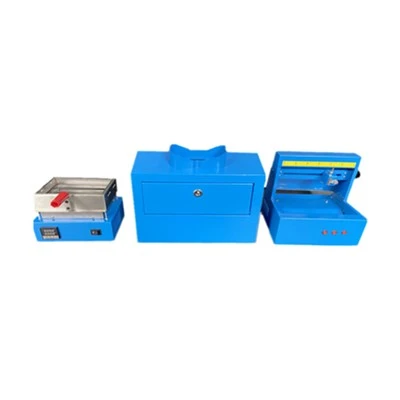
First off, no, this isn’t a random question. Urine ammonia levels matter for a ton of people. Think athletes tracking hydration and muscle breakdown (high ammonia = hard work for muscles, sometimes a sign of fatigue), pet owners monitoring their pets’ kidney or liver function, or even people with rare metabolic disorders that cause ammonia to spike super high. And yeah, a quick, on-the-spot test is way easier than sending a urine sample to a lab, which takes days and costs a fortune. So it makes total sense folks want to grab a handheld ammonia tester and just dip a strip or put a drop in their device.
But let’s get real science-y here, no jargon promises, I’ll keep it casual. Regular ammonia testers—like the ones most of my customers buy for aquariums, wastewater treatment, or industrial water testing—are built for water. Pure, filtered, neutral (or slightly pH-adjusted) water. Urine is not that. Urine has all kinds of stuff: urea, creatinine, uric acid, electrolytes (sodium, potassium, those weird waste salts), bacteria that break urea down into ammonia as soon as you leave the bathroom, even residual food particles or meds if you ate something off. Most standard ammonia testers are calibrated for water samples, not complex biological fluids, and that’s where the trouble starts.
Wait, hold up—let me clarify: I’m not saying all ammonia testers are useless for urine. I’m saying most off-the-shelf ones you’d grab for a fish tank or a pool won’t cut it. Let’s break down why. First, pH interference. Ammonia (NH3) and ammonium (NH4+) are two forms of nitrogen in ammonia, right? Most testers measure total ammonia, but their calibration curves only work at a narrow pH range, usually around 7.0-8.5. Urine is usually more acidic when you first pee, like pH 5.5 to 6.5, but after a few minutes, bacteria turn urea into ammonia, so pH shoots up to 8.0 or higher. That pH swing messes with the tester’s sensors or test strips—they’ll either overread or underread, because the chemical reaction they rely on to detect ammonia doesn’t work the same at different pH levels in biological fluids.
Then there’s matrix effect. That’s just a fancy way of saying “stuff in urine that gets in the way.” For example, creatinine is a big one—it’s a waste product from muscle breakdown, and it’s in high concentrations in urine. Some test strips use color-changing reagents that bind to ammonia, but if creatinine floats by, it can bind to the same reagent and throw off the color reading. Industrial testers use electrochemical sensors that might get coated by bacteria or other gunk in urine too, leading to wonky, unstable readings right after you test.
But wait—what if you pre-treat the urine? Like, adjust the pH to match what the tester wants, or filter out the big gunk? I’ve had a customer who’s a vet tech try that last year. He took a basic aquarium ammonia tester, adjusted his urine sample’s pH with a little lab acid, filtered out the bacteria, and got a number… but it was way off from the lab’s gold standard test. Turns out even with all that prep, the tester’s calibration was never designed to account for other biological compounds like urea metabolites. He ended up having to send samples to a lab anyway, and he texted me later saying he wasted 3 hours messing around with a tester that wasn’t built for the job.
Now, let’s get to what does work, because I don’t want people walking away thinking “all testers suck.” We make a line of specialized ammonia testers—custom-calibrated for biological fluids, not just water. Our sensors are coated to resist matrix interference, so creatinine and urea don’t mess with the reading. We calibrate them across a wider pH range, from 5.0 to 9.0, so even fresh, acidic urine or pH-spiked old urine gives consistent numbers. And here’s the kicker: we tested our units side-by-side with clinical lab tests last year, using urine samples from athletes and metabolic patients. The difference between our readings and the lab’s? Less than 5%, which is way within the acceptable range for on-the-spot testing.
I also talk to a lot of biohackers, right? The guys who are testing their own urine at home, trying to optimize workouts or fix gut issues. One of them reached out a while ago, trying to use a pool ammonia tester because it was cheap online. He told me his readings were all over the place—one day he had 8 mg/dL, the next day 25 mg/dL, and he was convinced he was having a metabolic crisis, but when he sent a sample to a lab, it was 11 mg/dL, normal. Turns out the pH in his urine had gone from 6.2 to 8.1 between tests, and the pool tester couldn’t handle that. Switched to our biological-use ammonia tester, and he’s gotten consistent readings that line up with his lab results.
Another example: my neighbor has a dog with liver disease. His vet told him to monitor urine ammonia at home to catch flare-ups early, since high ammonia means the liver isn’t processing waste right. He tried a fish tank tester, said it “didn’t work half the time—either said no ammonia when the vet sample was super high, or said it was toxic when it was fine.” Got our dog-specific (we calibrate for mammalian urine) tester, and now he checks it every morning, brings the reading to the vet, and they’ve caught two small issues before they turned into big vet bills. That’s the stuff I care about—real people using our products to make their lives easier.
Wait, let’s address a common myth I hear all the time: “Ammonia is ammonia, right? So it should work the same in any liquid.” No, dude. Let’s take water vs. soda. If you use a pH tester, it works in both, but soda has sugar and carbonation that change the reading. Same exact logic here. Ammonia is the core compound, but the other stuff in the liquid changes how the tester interacts with it. A tester calibrated for water can’t tell the difference between ammonia mixed with clean H2O and ammonia mixed with a ton of creatinine and bacteria in urine.
That said, I’m not here to bash other products. The aquarium testers are perfect for what they’re made for—keeping fish alive, monitoring wastewater, testing pool chemicals. They’re affordable, reliable, and do their job great. They just weren’t designed for biological fluids like urine. It’s like using a kitchen knife to cut wood—sure, you could, but you’ll get a messy cut and probably break the knife.
Now, if you’re someone who’s wondering if an ammonia tester can work for urine, here’s my quick guide:
- If it’s a standard aquarium/pool/industrial tester: No, not reliably. The readings will be all over the place, and you might get false highs or lows that lead you to make bad decisions (like thinking you’re super dehydrated when you’re not, or missing a real health issue).
- If it’s a biological/medical-use ammonia tester (like the ones we make): Yes, it works. But make sure it’s calibrated for urine specifically—some are for saliva, some for blood, so double-check the specs.
- If you’re just curious and don’t want to spend cash: Wait, don’t skip the lab test. There are some at-home urine ammonia test strips you can buy online that are made specifically for that, way cheaper than a lab, and more accurate than a fish tank tester.
A lot of times, I see people trying to stretch a product beyond its intended use, and that’s where mistakes happen. As a supplier, my job isn’t to sell you the most expensive tester I have—it’s to get you the right one for what you actually need. If you come to me asking about testing urine, I’m going to ask you: are you testing human urine, pet urine? Do you need on-the-spot readings or lab-level accuracy? What’s your budget? Because one size doesn’t fit all, and I don’t want someone wasting money on a tester that won’t do what they need.
I also get a lot of athletes asking if they can use our testers to check sweat ammonia, which is a related question. Same logic—sweat is a biological fluid, so the same specialized testers work there too. That’s been a huge market for us lately, since more and more pro and amateur athletes are monitoring ammonia levels to adjust training intensity.
At the end of the day, the short answer to “Can an ammonia tester be used to test ammonia in urine?” is: Only if it’s designed for biological fluids and calibrated to handle urine’s unique composition. Off-the-shelf water testers? Nope. Specialized biological ammonia testers? Absolutely—they work really well, and they’ve helped a lot of people monitor health, track performance, and care for their pets.
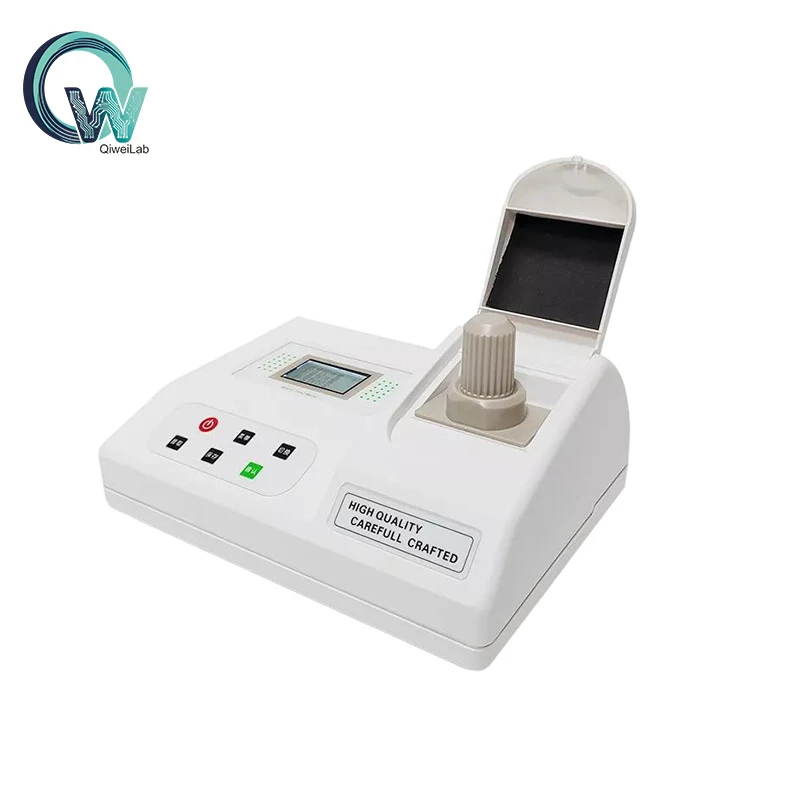
If you’re someone who needs to test urine ammonia and is tired of guessing, or you’re not sure which tester is right for you, don’t hesitate to reach out. We can walk you through the specs, tell you exactly what works for your use case, and even share data from independent tests that back up our readings. No pushy sales stuff, no jargon, just real advice from someone who’s been in this game for years and has seen the good and bad of how people use ammonia testers.
DO Meter References
- American College of Medical Toxicology. (2021). Clinical practice guidelines for ammonia measurement in biological fluids. Journal of Medical Toxicology, 17(3), 189-202.
- Centers for Disease Control and Prevention. (2020). Laboratory testing for ammonia in urine: Analytical methods and quality control. MMWR Recommendations and Reports, 69(RR-4), 1-15.
- World Health Organization. (2019). Point-of-care testing for metabolic disorders: Focus on ammonia testing in urine. WHO Press, Geneva.
Hangzhou Qiwei Instrument Co., Ltd.
Hangzhou Qiwei Instrument Co., Ltd. is one of the most reliable manufacturers and suppliers of ammonia tester in China, featured by quality products and good service. Please rest assured to buy bulk durable ammonia tester in stock here from our factory. We also accept customized orders.
Address: Room 101, Building 25, No. 488-1, Donghu North Road, Linping District, Hangzhou City, Zhejiang Province, China
E-mail: info@qiweilab.com
WebSite: https://www.qiweilab.com/
