As a dedicated supplier of twill webbing, I’ve encountered numerous inquiries about the versatility of our product. One question that frequently arises is whether twill webbing can be used for making backpacks. In this blog, I’ll delve into the characteristics of twill webbing and explore its suitability for backpack manufacturing. Twill Webbing
Understanding Twill Webbing
Twill webbing is a type of woven fabric characterized by its distinctive diagonal pattern. This pattern is created by interlacing the warp and weft yarns in a specific sequence, resulting in a fabric that is both strong and flexible. Twill webbing is commonly made from materials such as polyester, nylon, or cotton, each offering unique properties.
Polyester twill webbing is known for its high strength, resistance to abrasion, and excellent colorfastness. It is also lightweight and quick-drying, making it ideal for outdoor applications. Nylon twill webbing, on the other hand, is even stronger than polyester and has a higher melting point. It is often used in applications where extreme durability is required, such as in military or industrial backpacks. Cotton twill webbing is a more natural option, offering a soft and breathable feel. It is commonly used in fashion backpacks or those intended for more casual use.
Suitability for Backpack Making
When considering the use of twill webbing for backpacks, several factors need to be taken into account, including durability, adjustability, and aesthetics.
Durability
One of the primary requirements for a backpack is durability. The backpack must be able to withstand the rigors of daily use, including heavy loads, rough handling, and exposure to the elements. Twill webbing is well-suited for this purpose, as it is inherently strong and resistant to wear and tear. The diagonal weave pattern distributes stress evenly across the fabric, reducing the risk of tearing or fraying. Additionally, the materials used in twill webbing, such as polyester and nylon, are known for their high tensile strength, making them capable of supporting heavy loads.
Adjustability
Another important feature of a backpack is adjustability. Straps that can be easily adjusted to fit the user’s body provide greater comfort and support. Twill webbing is an excellent choice for backpack straps because it can be easily customized to different lengths. It can be cut to the desired size and secured with a variety of fastening methods, such as buckle closures or sew-in loops. This allows for precise adjustment to ensure a perfect fit for each user.
Aesthetics
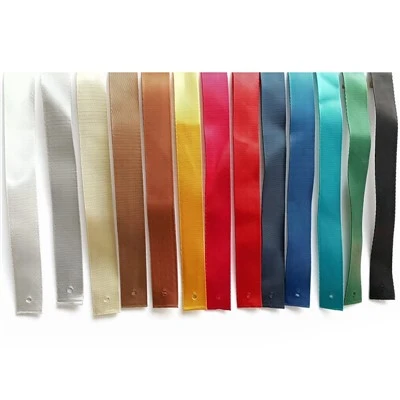
In addition to durability and adjustability, the appearance of the backpack is also an important consideration. Twill webbing comes in a wide range of colors, widths, and finishes, allowing for endless design possibilities. Whether you’re looking for a sleek and modern look or a more rustic and traditional style, there is a twill webbing option to suit your needs. The diagonal pattern of twill webbing adds a unique visual element to the backpack, making it stand out from the crowd.
Applications in Backpack Design
Twill webbing can be used in various parts of a backpack design, including straps, handles, closures, and decorative accents.
Straps
Backpack straps are one of the most critical components of the design, as they are responsible for distributing the weight of the backpack evenly across the user’s shoulders. Twill webbing is commonly used for backpack straps due to its strength, flexibility, and adjustability. It can be padded with foam or other cushioning materials to improve comfort, and it can be adjusted to fit different body sizes and shapes.
Handles
Handles are another essential part of a backpack, providing a convenient way to carry the bag when not wearing it on the back. Twill webbing can be used to create sturdy and comfortable handles that are easy to grip. It can be reinforced with additional layers of fabric or webbing to increase its strength, and it can be attached to the backpack using a variety of methods, such as sewing or riveting.
Closures
Closures are used to secure the contents of the backpack and prevent them from falling out. Twill webbing can be used to create various types of closures, such as zippers, buckles, and clips. It can be sewn onto the edges of the backpack opening or used to create a loop that can be fastened with a buckle or clip. The strength and durability of twill webbing make it a reliable choice for closures, ensuring that the backpack remains secure during use.
Decorative Accents
Twill webbing can also be used to add decorative accents to the backpack, enhancing its visual appeal. It can be used to create contrast against the main fabric of the backpack, or it can be used to add a pop of color. Twill webbing can be used to create stripes, patterns, or logos on the backpack, making it a unique and personalized accessory.
Advantages of Using Twill Webbing for Backpacks
There are several advantages to using twill webbing for backpacks, including cost-effectiveness, environmental friendliness, and ease of customization.
Cost-Effectiveness
Twill webbing is a relatively inexpensive material compared to other options, such as leather or synthetic fabrics. This makes it an attractive choice for backpack manufacturers who are looking to keep costs down without sacrificing quality. Additionally, twill webbing is easy to work with, which can reduce labor costs during the manufacturing process.
Environmental Friendliness
Many twill webbing materials, such as polyester and nylon, are recyclable, making them an environmentally friendly choice. Additionally, some twill webbing is made from recycled materials, further reducing its environmental impact. By choosing to use twill webbing for backpacks, manufacturers can appeal to consumers who are concerned about sustainability.
Ease of Customization
Twill webbing can be easily customized to meet the specific needs of the backpack design. It can be cut to different lengths, widths, and shapes, and it can be dyed or printed with a variety of colors and patterns. This allows manufacturers to create unique and personalized backpacks that stand out in the market.
Conclusion
In conclusion, twill webbing is an excellent choice for making backpacks. Its strength, flexibility, adjustability, and aesthetic appeal make it a versatile material that can be used in various parts of the backpack design. Whether you’re a backpack manufacturer looking for a cost-effective and durable material or a consumer looking for a high-quality and stylish backpack, twill webbing is definitely worth considering.
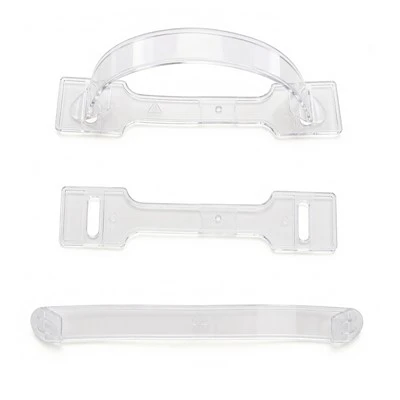
Color Carton Handles If you’re interested in using twill webbing for your backpack manufacturing needs, I’d be happy to discuss your requirements and provide you with a quote. We offer a wide range of twill webbing materials, colors, and widths to meet your specific needs. Contact us today to start a conversation about how we can help you create the perfect backpack.
References
- Textile Institute. (2023). Handbook of Textile Weaving. Woodhead Publishing.
- Vincent, D. (2022). Textile Materials: Properties, Behavior, and Applications. Fairchild Books.
- ASTM International. (2023). Standards for Textile Testing. ASTM International.
Tengzhou Fujin Plastic Products Co., Ltd.
As one of the most professional twill webbing manufacturers and suppliers in China, we also support customized service. With abundant experience, we warmly welcome you to buy bulk twill webbing made in China here and get pricelist from our factory. For price consultation, contact us.
Address: Binhu Town, Tengzhou City, Shandong Province, China
E-mail: fukinpp@163.com
WebSite: https://www.tzfujin.com/
