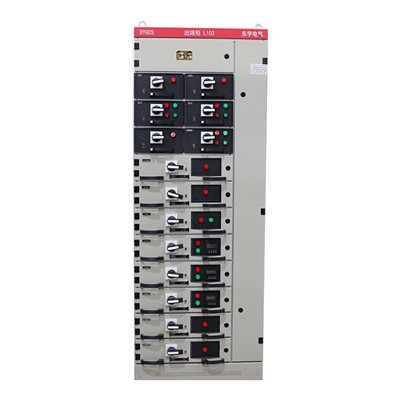
As a seasoned supplier of low voltage distribution boxes, I’ve witnessed firsthand the crucial role these components play in the electrical infrastructure of buildings. A well – installed low voltage distribution box ensures safe, efficient, and reliable power distribution, which is essential for the smooth operation of various electrical systems in a building. In this blog, I’ll delve into the installation requirements for a low voltage distribution box in a building, sharing insights based on my years of experience in the industry. Low Voltage Distribution Box
Location Selection
The first step in the installation process is choosing the right location for the low voltage distribution box. This decision is not arbitrary but is guided by several important factors.
Accessibility
The distribution box should be easily accessible for maintenance and inspection purposes. In a commercial building, it should be located in an area where electricians can reach it without obstruction. For example, in an office building, rather than placing it in a cramped storage closet filled with equipment, it could be installed in a dedicated electrical room with clear access paths. This allows for quick troubleshooting during power outages or routine maintenance checks, minimizing downtime and ensuring the safety of the maintenance personnel.
Ventilation
Proper ventilation is crucial to prevent the overheating of electrical components inside the distribution box. Heat is a major enemy of electrical systems, as it can degrade insulation materials, reduce the lifespan of components, and even pose a fire hazard. In an industrial building with high – power equipment connected to the distribution box, it may be necessary to install the box in a well – ventilated area or even equip it with additional ventilation fans. For instance, in a manufacturing plant, where large motors draw significant amounts of power and generate heat, the distribution box should be placed in a location with natural air circulation or near exhaust systems.
Environmental Conditions
The location should be protected from harsh environmental conditions. Moisture, dust, and corrosive substances can damage the electrical components in the distribution box. In a coastal building, where saltwater mist can be present in the air, the distribution box should be installed indoors or in a sealed cabinet with proper corrosion – resistant coatings. Similarly, in a building located near a construction site, the box should be shielded from dust and debris to prevent short – circuits and other malfunctions.
Mounting Requirements
Structural Integrity
The surface on which the low voltage distribution box is mounted must have sufficient structural integrity to support its weight. Before installation, a load – bearing analysis of the mounting surface should be conducted. In a multi – story building, if the distribution box is to be mounted on a wall, the wall should be able to withstand the weight of the box, especially when it is fully loaded with electrical components. For larger distribution boxes, it may be necessary to reinforce the mounting surface or use additional support brackets.
Level Mounting
The distribution box must be mounted level to ensure proper operation. A tilted distribution box can cause issues such as improper alignment of electrical connections, which can lead to loose connections and overheating. During installation, a spirit level should be used to ensure that the box is perfectly horizontal or vertical, depending on the installation requirements. This can be relatively simple in a new building, where the construction is more likely to have level surfaces, but may require additional adjustments in an older building with uneven walls.
Secure Fixing
The box should be securely fixed to the mounting surface. This can be achieved using appropriate fasteners such as bolts or screws. The choice of fasteners depends on the type of mounting surface and the weight of the distribution box. For a concrete wall, expansion bolts may be required to provide a strong and stable connection. In a wooden structure, wood screws or lag bolts can be used. Ensuring that the box is securely fixed prevents it from vibrating or moving during normal operation, which could cause damage to the internal components.
Electrical Connections
Proper Sizing of Conductors
The conductors used to connect the low voltage distribution box to the power source and other electrical loads must be of the correct size. Undersized conductors can lead to excessive voltage drop, which reduces the efficiency of the electrical system and can cause overheating. Oversized conductors, on the other hand, can be costly and may not fit properly into the connection terminals. For example, in a residential building with relatively low – power electrical appliances, smaller – gauge conductors may be sufficient. However, in a large commercial building with high – power machinery, larger – gauge conductors are required. The sizing of conductors is determined based on the load current, the length of the conductor run, and the allowable voltage drop.
Tight and Secure Connections
All electrical connections within the distribution box must be tight and secure. Loose connections can cause arcing, which can lead to overheating, damage to the components, and even electrical fires. When making connections, the terminals should be cleaned to remove any dirt, oxidation, or debris. Conductors should be stripped to the appropriate length and inserted firmly into the terminals. A torque wrench can be used to ensure that the connection screws are tightened to the recommended torque value.
Proper Grounding
Grounding is an essential safety measure for the low voltage distribution box. It provides a path for electrical current to flow safely to the ground in the event of a fault, protecting people and equipment from electrical shock. The distribution box should be connected to a proper grounding system, which typically consists of a grounding electrode such as a ground rod. The grounding conductor should be of the appropriate size and should be securely connected to the box and the grounding electrode. In addition, all metal parts of the distribution box, including the enclosure, should be grounded to prevent the buildup of static electricity and to ensure the safety of personnel.
Safety and Compliance
Use of Appropriate Enclosure
The distribution box should be housed in an appropriate enclosure that meets the relevant safety standards. The enclosure provides protection against accidental contact with live parts, as well as protection from environmental factors such as dust and water. For example, in a wet or dusty environment, a NEMA 4 or IP65 rated enclosure may be required. These enclosures are designed to prevent the ingress of water and dust, ensuring the long – term reliability of the electrical components inside.
Labels and Markings
The distribution box should be clearly labeled with important information such as the rated voltage, current, and the function of each circuit. Labels help electricians and maintenance personnel identify circuits quickly during troubleshooting or maintenance. In addition, warning signs should be posted on the enclosure to indicate potential electrical hazards. For example, a sign indicating "Danger – High Voltage" or "Do Not Touch" can prevent unauthorized access and reduce the risk of electrical accidents.
Compliance with Codes and Standards
The installation of the low voltage distribution box must comply with all relevant electrical codes and standards. These codes are in place to ensure the safety and reliability of the electrical system. In the United States, the National Electrical Code (NEC) provides guidelines for the installation of electrical equipment, including low voltage distribution boxes. In other countries, similar codes and standards exist. By complying with these codes, the building owner can ensure that the electrical installation is safe and will pass inspections.
Conclusion

Installing a low voltage distribution box in a building is a complex process that requires careful consideration of various factors. From location selection to electrical connections and safety compliance, every step plays a crucial role in ensuring the proper functioning of the electrical system. As a supplier of low voltage distribution boxes, I understand the importance of providing high – quality products that meet these installation requirements. Our distribution boxes are designed and manufactured to the highest standards, with features such as proper ventilation, secure enclosures, and clear labeling.
Low Voltage Switchgear If you are in need of a reliable low voltage distribution box for your building project, or if you have any questions about the installation requirements, please do not hesitate to contact us. Our team of experts is ready to assist you in selecting the right product and providing guidance on the installation process. Working together, we can ensure that your building’s electrical system is safe, efficient, and reliable.
References
- National Electrical Code (NEC)
- International Electrotechnical Commission (IEC) standards related to low voltage distribution boxes
- Industry best practices and technical manuals from leading electrical equipment manufacturers
Zhejiang Dongyu Electric Co., Ltd.
As one of the most professional low voltage distribution box manufacturers and suppliers in China, we’re featured by quality products and good price. Please rest assured to buy customized low voltage distribution box made in China here from our factory. Also, pricelist is available.
Address: No.11 Baoqiao Road, Huaxi Industrial Park, Changxing County, Zhejiang Province
E-mail: dongyu178@163.com
WebSite: https://www.dongyuswitch.com/
