Durability is a crucial aspect when considering acoustic noise barriers, especially in an industry where the effectiveness of noise control solutions needs to stand the test of time. As a supplier of acoustic noise barriers, I’ve witnessed firsthand the importance of this factor in ensuring long – term customer satisfaction and cost – effectiveness. Acoustic Noise Barrier
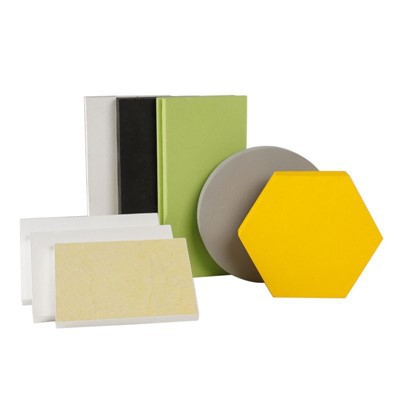
Understanding the Concept of Durability in Acoustic Noise Barriers
Durability in the context of acoustic noise barriers refers to the ability of these systems to maintain their structural integrity, acoustic performance, and aesthetic appeal over an extended period. Noise barriers are often installed in outdoor environments, including along highways, railways, and industrial areas, where they are exposed to a wide range of environmental factors. These factors can significantly impact the lifespan and functionality of the barriers.
Structural integrity is the foundation of durability. A well – designed and constructed noise barrier should be able to withstand various mechanical stresses. For example, strong winds can exert significant pressure on the barrier. In coastal areas or high – altitude locations, wind speeds can be extremely high, and the barrier must be engineered to resist wind – induced forces. Additionally, the barrier may be subject to impacts from debris, such as rocks or branches, especially in areas near construction sites or natural landscapes. A durable barrier will be able to maintain its shape and strength even after experiencing such impacts.
Acoustic performance is another key component of durability. Noise barriers are installed with the primary purpose of reducing noise levels. Over time, if the materials used in the barrier degrade, the acoustic effectiveness may decline. For instance, the sound – absorbing materials inside the barrier may lose their porosity or density, reducing their ability to absorb sound waves. This can result in a significant reduction in the noise reduction coefficient (NRC) of the barrier, making it less effective in controlling noise.
Aesthetic appeal also plays a role in durability. In many cases, noise barriers are installed in areas where they are visible to the public, such as near residential neighborhoods or commercial areas. A durable barrier should maintain its appearance over time. Fading, cracking, or peeling of the surface finish can not only make the barrier look unappealing but also indicate underlying structural or material issues.
Factors Affecting the Durability of Acoustic Noise Barriers
Environmental Conditions
- Weathering: Exposure to sunlight, rain, snow, and temperature fluctuations can have a profound effect on the durability of acoustic noise barriers. Ultraviolet (UV) radiation from the sun can cause the materials to degrade, leading to discoloration, embrittlement, and reduced strength. For example, plastics and polymers used in some barrier components may experience UV – induced aging, which can compromise their structural and acoustic properties. Rain and snow can cause corrosion of metal components, especially if the barrier is not properly coated or protected. Temperature changes can also lead to expansion and contraction of the materials, causing stress and potentially leading to cracks or other forms of damage.
- Pollution: In industrial areas or near busy roads, noise barriers can be exposed to air pollution, including chemicals, particulate matter, and acidic substances. These pollutants can react with the materials of the barrier, causing corrosion, degradation, or staining. For instance, sulfur dioxide and nitrogen oxides in the air can combine with moisture to form acidic rain, which can corrode metal and damage concrete or other building materials.
- Salt Exposure: In coastal regions, noise barriers are often exposed to salt spray from the ocean. Salt can accelerate the corrosion of metal components and also cause damage to concrete and other porous materials. If the barrier is not designed to resist salt corrosion, it may experience premature failure, reducing its lifespan and effectiveness.
Material Selection
- Metals: Metals such as steel and aluminum are commonly used in the construction of acoustic noise barriers due to their strength and durability. However, they are also prone to corrosion, especially in aggressive environments. To enhance their durability, metals are often coated with protective layers, such as galvanizing or powder coating. Galvanizing involves applying a layer of zinc to the metal surface, which provides a sacrificial anode to protect the underlying steel from corrosion. Powder coating, on the other hand, provides a durable and aesthetically pleasing finish that can resist scratches, chips, and UV damage.
- Concrete: Concrete is another popular material for noise barriers due to its high strength, fire resistance, and long – term durability. However, concrete can be susceptible to cracking, especially if it is not properly designed or cured. To improve its durability, additives such as fibers or air – entraining agents can be used to enhance its flexibility and resistance to freeze – thaw cycles. Additionally, proper surface treatment, such as sealers or coatings, can protect the concrete from water penetration and chemical attack.
- Plastics and Composites: Plastics and composite materials are increasingly being used in acoustic noise barriers due to their lightweight, ease of installation, and corrosion resistance. However, they may be less durable than metals or concrete in some cases. For example, some plastics may be prone to UV degradation, which can cause them to become brittle and lose their strength over time. To overcome these limitations, manufacturers often use additives or UV stabilizers to improve the durability of plastic and composite materials.
Design and Installation
- Proper Design: A well – designed acoustic noise barrier takes into account the specific environmental conditions and usage requirements of the installation site. For example, the height, length, and shape of the barrier should be optimized to provide maximum noise reduction while also ensuring structural stability. Additionally, the design should incorporate features that allow for easy maintenance and inspection, such as access panels or removable components.
- Correct Installation: Improper installation can significantly reduce the durability of acoustic noise barriers. For example, if the barrier is not properly anchored to the ground or support structure, it may be more susceptible to wind – induced movement or damage. Similarly, if the joints between barrier panels are not sealed correctly, water and debris can penetrate the barrier, causing corrosion and other forms of damage. Therefore, it is essential to ensure that the installation is carried out by experienced professionals following the manufacturer’s guidelines.
Testing and Quality Assurance
To ensure the durability of acoustic noise barriers, comprehensive testing and quality assurance measures are essential. Manufacturers typically conduct a series of tests on their products to evaluate their performance under various conditions.
- Structural Testing: Structural tests are used to evaluate the strength and stability of the noise barrier. These tests may include static and dynamic load tests to simulate the effects of wind, impact, and other mechanical stresses. For example, a wind tunnel test can be used to measure the aerodynamic forces acting on the barrier and to ensure that it can withstand the design wind speeds.
- Acoustic Testing: Acoustic tests are conducted to measure the noise reduction performance of the barrier. The most commonly used test method is the ASTM E90 standard, which measures the sound transmission loss (STL) of the barrier. The STL is a measure of the reduction in sound intensity as sound passes through the barrier. A higher STL value indicates better acoustic performance.
- Environmental Testing: Environmental tests are used to evaluate the durability of the barrier under various environmental conditions. These tests may include UV exposure tests, salt spray tests, and freeze – thaw cycle tests. For example, a salt spray test can be used to simulate the effects of salt corrosion on the barrier materials, while a UV exposure test can be used to evaluate the resistance of the materials to UV degradation.
In addition to these tests, quality assurance measures are also implemented throughout the manufacturing process. These measures may include raw material inspection, in – process quality control, and final product inspection. By ensuring strict quality control, manufacturers can produce acoustic noise barriers that meet or exceed the industry standards for durability and performance.
Importance of Durability for Customers
For customers, the durability of acoustic noise barriers is of utmost importance. A durable barrier offers several advantages, including:
- Long – term Cost Savings: A long – lasting noise barrier requires less frequent replacement and maintenance, which can result in significant cost savings over its lifespan. Although a more durable barrier may have a higher upfront cost, the total cost of ownership is often lower in the long run.
- Reliable Noise Control: A durable barrier maintains its acoustic performance over time, providing consistent noise reduction for the intended lifespan of the installation. This is especially important in applications where noise control is critical, such as near hospitals, schools, and residential areas.
- Aesthetic Appeal: A durable barrier retains its appearance over time, enhancing the visual appeal of the surrounding environment. This can be particularly important in areas where the noise barrier is clearly visible to the public, such as in urban landscapes or along scenic routes.
Encouraging Contact for Purchase and Discussion
As a supplier of acoustic noise barriers, I understand that every project has unique requirements, and the durability of the barrier is just one of the many factors to consider. Whether you are responsible for a small – scale residential project or a large – scale infrastructure development, I am here to help you find the most suitable noise control solution.
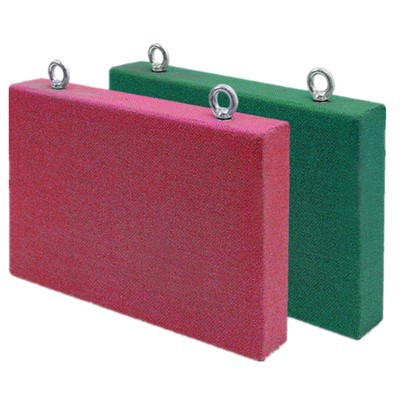
We offer a wide range of acoustic noise barriers made from high – quality materials, designed and manufactured to meet the highest standards of durability and performance. Our team of experts can work with you to understand your specific needs, recommend the best products for your project, and provide professional installation and maintenance services.
Wood Wool Panels If you are interested in learning more about our acoustic noise barriers and how they can benefit your project, please feel free to get in touch with us. We welcome the opportunity to discuss your requirements, answer any questions you may have, and provide you with a customized quote. Together, we can create a noise – free environment that meets your needs and exceeds your expectations.
References
- ASTM International. (20XX). ASTM E90 – Standard Test Method for Laboratory Measurement of Airborne Sound Transmission Loss of Building Partitions and Elements.
- National Cooperative Highway Research Program (NCHRP). (20XX). Guide for Design, Construction, and Maintenance of Highway Noise Barriers.
- Corus Construction & Industrial. (20XX). Steel Sound Barriers: Design, Installation and Maintenance.
Guangzhou MQ Acoustic Materials Co., Ltd.
Guangzhou MQ Acoustic Materials Co., Ltd. is one of the most professional acoustic noise barrier manufacturers and suppliers in China, featured by quality products and low price. Welcome to buy CE approved acoustic noise barrier in stock here and get quotation from our factory. We also accept customized orders.
Address: Room D403, KeZhu Business Building, ZhuJi Road, TianHe District, GuangZhou, China
E-mail: Lizzy@mq-acoustics.com
WebSite: https://www.acoustic-projects.com/
