Hey there! I’m a supplier of Microsoft Teams headsets, and I know how crucial it is to have top – notch audio quality during those important virtual meetings. In this blog, I’ll share some practical tips on how to improve the audio quality of a Microsoft Teams headset. Microsoft Teams Headset
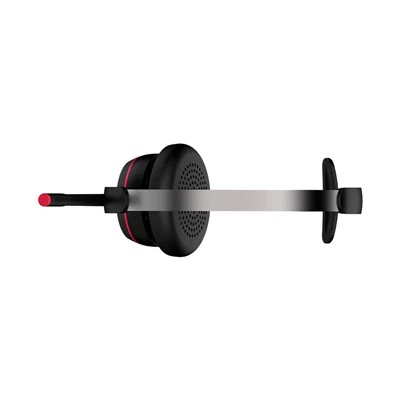
1. Choose the Right Headset
First things first, picking the right headset is the foundation for great audio. There are different types of headsets out there, like over – ear, on – ear, and in – ear. Over – ear headsets usually offer better noise isolation, which can really boost the audio quality. They cover your entire ear, blocking out external noise so that you and the people on the call can focus on what’s being said.
On – ear headsets are more portable and lightweight. They’re a good option if you’re always on the go. However, they might not provide as much noise isolation as over – ear ones. In – ear headsets are super compact and can fit snugly in your ear canal. Some in – ear models come with noise – cancelling features, which can be a game – changer for audio clarity.
When you’re choosing a headset, also look at the frequency response. A wider frequency response means the headset can reproduce a broader range of sounds, from deep bass to high – pitched treble. This results in more detailed and accurate audio. For example, if you’re listening to music during a break in the meeting or if there are some sound effects in a presentation, a headset with a good frequency response will make those sounds come alive.
2. Keep Your Headset Clean
You’d be surprised how much dirt and debris can affect audio quality. Over time, earwax, dust, and other particles can build up on the ear cups and the microphone. This can muffle the sound and make it harder for others to hear you clearly.
To clean your headset, start by unplugging it from your device. Use a soft, dry cloth to gently wipe the ear cups and the outside of the headset. For the microphone, you can use a small brush, like a toothbrush, to carefully remove any dirt. Just make sure not to press too hard on the microphone, as it can damage it.
If the ear cups are removable, you can wash them according to the manufacturer’s instructions. Usually, you can hand – wash them with mild soap and water, then let them air dry completely before putting them back on the headset. Keeping your headset clean not only improves audio quality but also extends its lifespan.
3. Adjust the Fit
A proper fit is essential for good audio. If the headset is too loose, it won’t provide enough noise isolation, and the sound might leak out. On the other hand, if it’s too tight, it can be uncomfortable and might also affect the audio quality.
Most headsets have adjustable headbands. You can adjust the length of the headband so that the headset sits comfortably on your head. Make sure the ear cups are centered over your ears. If you’re using in – ear headsets, try different sizes of ear tips to find the one that fits your ear canal best. A good fit will not only improve the audio but also make your listening experience more comfortable during long meetings.
4. Optimize Your Device Settings
Your device settings play a big role in audio quality. On your computer, go to the sound settings and make sure the correct headset is selected as the input and output device. You can also adjust the volume levels. Don’t set the volume too high, as it can cause distortion. Instead, find a comfortable level where you can hear clearly without any crackling or popping sounds.
Some devices also have audio enhancement features. For example, Windows has a feature called "Spatial Sound," which can create a more immersive audio experience. You can experiment with these features to see if they improve the audio quality of your Microsoft Teams headset.
In addition, check the microphone settings. You can adjust the microphone sensitivity to make sure it picks up your voice clearly. If you’re in a noisy environment, you might want to increase the sensitivity a bit. But be careful not to set it too high, as it can also pick up background noise.
5. Use Noise – Cancelling Features
Many Microsoft Teams headsets come with noise – cancelling features. Active noise – cancelling (ANC) technology works by analyzing the ambient noise and generating an opposite sound wave to cancel it out. This can be a huge help, especially if you’re in a noisy office or a busy coffee shop.
To use the noise – cancelling feature, simply turn it on. You’ll notice a significant reduction in background noise, which makes it easier to focus on the call. However, keep in mind that ANC might not work perfectly in all situations. For example, very loud and sudden noises might still be audible.
Some headsets also have passive noise isolation. This is achieved through the design of the headset, such as the materials used in the ear cups. Passive noise isolation can block out a certain amount of external noise without the need for any electronic components.
6. Check Your Internet Connection
A stable internet connection is crucial for good audio quality in Microsoft Teams. If your connection is slow or unstable, you might experience audio lag, dropouts, or poor sound quality.
To check your internet speed, you can use an online speed test. If your speed is below the recommended level for Microsoft Teams, try switching to a different network. For example, if you’re using Wi – Fi, try connecting to an Ethernet cable for a more stable connection.
You can also close any other applications that are using a lot of bandwidth. Streaming videos, downloading large files, or running multiple browser tabs can all slow down your internet speed. By closing these applications, you can free up bandwidth for your Microsoft Teams call.
7. Update Your Headset and Software
Manufacturers often release firmware updates for headsets to improve performance and fix bugs. These updates can sometimes include enhancements to audio quality. Check the manufacturer’s website regularly to see if there are any available updates for your headset.
In addition, make sure your operating system and Microsoft Teams software are up – to – date. Software updates can also include improvements to audio processing and compatibility with headsets. To update Microsoft Teams, go to the app and check for updates in the settings menu.
8. Position Your Microphone Correctly
The position of your microphone can have a big impact on audio quality. For headsets with a boom microphone, position it close to your mouth, about 2 – 3 inches away. This ensures that the microphone can pick up your voice clearly.
Avoid covering the microphone with your hand or other objects. If you need to mute yourself, use the mute button on the headset or in the Microsoft Teams app. Also, make sure the microphone is not facing away from you or towards a noisy source, like a fan or a window.
9. Test Your Audio Before Meetings
Before joining a Microsoft Teams meeting, take a few minutes to test your audio. You can do this by going to the audio settings in the app and speaking into the microphone. Listen to the playback to make sure your voice sounds clear and there are no issues.
If you notice any problems, try adjusting the settings or following the tips I’ve mentioned above. It’s better to fix any audio issues before the meeting starts, so you don’t have to deal with them during the call.
10. Consider an External Audio Device
If you’re still not satisfied with the audio quality of your headset, you might want to consider using an external audio device. An external sound card can improve the audio processing and provide better sound quality.

There are different types of external sound cards available, from basic ones to high – end professional models. You can connect the sound card to your computer and then connect your headset to the sound card. This can sometimes make a significant difference in audio quality, especially if you’re using a high – end headset.
Wireless Office Headset So, there you have it! These are some practical tips on how to improve the audio quality of a Microsoft Teams headset. As a supplier, I know how important it is to have a great audio experience during virtual meetings. If you’re interested in purchasing high – quality Microsoft Teams headsets or have any questions about audio quality, feel free to reach out to me. I’d be more than happy to help you find the perfect headset for your needs and assist you in getting the best audio quality possible.
References
- Microsoft Teams official documentation
- Headset manufacturer’s user manuals
- Online resources on audio technology and virtual meeting best practices
Huizhou Boxin Electronics Co., Ltd.
We’re well-known as one of the leading microsoft teams headset manufacturers and suppliers in China since 1989, also support customized service. With abundant experience, we warmly welcome you to wholesale high quality microsoft teams headset made in China here from our factory.
Address: No.01, 7/F, 5#, Factory 5# and 6#, Phase l, Lechuangcheng, No.8, Renluo 6th Road, Shuikou Street, Huicheng Distriet, Huizhou City, Guangdong Province, P. R. China.
E-mail: Info@ucheadset.com
WebSite: https://www.boxinheadsets.com/
