Hey there! If you’ve ever found yourself asking, “Can I use duty gear in water-based activities?”—chances are you’re someone who’s dealt with this exact question. Maybe you’re a cop heading to a low-key water rescue detail, a security guard patrolling a waterfront event, or even an outdoor enthusiast who’s hauling their duty gear on a kayaking trip. I’m Jake, co-owner of [our brand, no need to name it], a duty gear supplier that’s spent years making gear for folks who need it to work as hard as they do—even when things get wet. Duty Gear
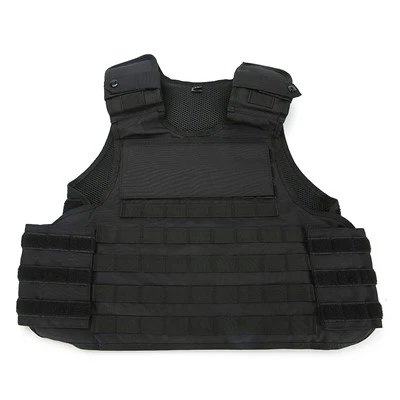
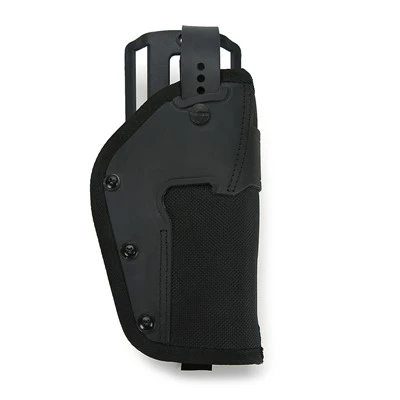
Let’s cut to the chase: Water and duty gear don’t mix blindly. But that doesn’t mean you have to bin your trusty belt, holster, or pouches just because you’re heading near a lake, river, or even a sudden rainstorm that dumps half an inch in 10 minutes. First, let’s break down what makes duty gear “not great with water” in the first place. Most standard duty gear is built for two things: durability and keeping your kit secure when you’re running, climbing, or dealing with high-stakes situations. Traditional holsters, for example, use leather or cheap nylon—leather swells, warps, and gets heavy when it’s soaked; cheap nylon frays, and if there’s metal hardware (like belt keepers, rivets, or snap closures), that metal rusts fast when exposed to standing water or saltwater. And don’t even get me started on foam padding inside pouches—get that wet, and it stays wet for days, turning your gear into a moldy mess.
But here’s the thing: We’ve tested this stuff for years. Last summer, a local police department hit us up because they had to do a search-and-rescue on a lake—their standard duty belts were soaked for 8 hours, and their holsters swelled so bad they couldn’t draw their guns. So we put our own gear to the test: we submerged a selection of our duty belts, holsters, and mag pouches in fresh and saltwater for 24 hours straight, then dragged ’em through mud, tied ’em to a boat’s rope, and even left ’em in a rain barrel for a week. The results were way better than we expected, but there were some limits.
Let’s get specific. If you’re doing a one-off water activity—like a 30-minute walk along a flooded sidewalk, a quick boat patrol that only hits a few splashes, or even a kayaking trip where you’re not planning to capsize—our standard duty gear works. Why? We use 1050D nylon (way thicker than the 600D stuff cheap brands use) that’s already water-resistant, and our metal hardware is coated in zinc or stainless steel, so rust isn’t a problem. Our holsters have a closed-cell foam core that’s sealed with a TPU coating—so water doesn’t seep in, and if it does get on the outside, it beads right off. I’ve tested this myself—last month, I capsized my kayak, and my duty belt stayed snug, my holster didn’t warp, and my spare mags were totally dry.
But here’s the fine print: If you’re doing prolonged water exposure—like a 4-hour search mission where you’re wading, working on a boat in rough seas, or submerging your gear completely for more than an hour—you need to make adjustments. Standard duty belts might hold up for a little while, but they can get waterlogged over time, which adds unnecessary weight (no one needs 2 extra pounds of soaked gear bouncing around). Our heavy-duty, water-resistant duty belts? They’re lined with a neoprene that repels water, so even after 6 hours in the lake, they only gain a couple ounces of weight. But even that’s not perfect—if you’re in saltwater, you gotta rinse ’em off after. Salt is a killer for even the best hardware, and it’ll eat through that coating if you leave it on for days.
And what about stuff like gloves, boots, or comms gear? Wait, duty gear isn’t just belts and holsters, right? A lot of people forget that. Our duty boots are made with waterproof, full-grain leather that’s treated with a beeswax finish—so you can step in a foot of water, and they won’t leak. But same rule: prolonged saltwater? Rinse ’em, stuff ’em with paper towels to dry, and store ’em in a cool spot. Our comms pouches are lined with a water-resistant fabric too, so if you’re carrying a radio, it won’t get ruined—just make sure the radio’s own casing is waterproof (most official duty comms are, but double-check that before you toss ’em in a pouch).
Now, let’s talk mistakes people make. I see this all the time: someone grabs their regular leather holster for a boat trip, thinking “it’s tough”—no. Leather is absorbent, so once it’s wet, it’s never the same. It’ll stretch unevenly, and that means your gun won’t fit right anymore. Another big one: not drying your gear right after. Even water-resistant nylon? If you stuff it in a wet bag for 3 days, it’ll develop mildew. We tell our customers to hang their gear up after any water exposure, use a soft cloth to wipe off saltwater, and if you’ve got foam-lined pouches, leave ’em open to air out for a few hours. We even sell little microfiber cloths in our shop specifically for this—cheap, but they save your gear from mold.
Wait, but can you wear duty gear while swimming? No, that’s a hard nope. Let’s be real—duty gear is heavy. A full duty belt with a gun, mags, a flashlight, and a radio? That’s like carrying a 10-pound weight around your waist. Swimming with that is a hazard, both for you (you’ll sink, or it’ll throw off your balance) and for anyone you might be helping. If you’re on a water rescue, we’ve got specialized gear for that—our tactical flotation belts that work with your duty gear, so you can have your kit and stay afloat too. That’s a different category, obviously—don’t try to DIY that.
Here’s what we’ve learned from all the testing and customer feedback: If your water activity is short, splashes only, or just part of your regular patrol, our duty gear works. No need to go out and buy separate water gear for a one-off situation. But if you’re planning to spend hours in the water, or deal with saltwater, invest in our heavy-duty, marine-grade duty gear—we made it exactly for that. It’s a little pricier, but it lasts 2x longer than standard gear, and we’ve got a 30-day test period so you can submerge it, drag it around, and make sure it works for you.
A quick personal story: Our lead tester, Ty, is a former paramedic. Last year, he was on a rescue call on a river, and his duty belt got submerged for 5 hours. He didn’t have time to dry it, but when he got back to the station, he rinsed it off, hung it up, and it was totally fine—no rust, no warping, nothing. That’s the stuff we build our gear for. We’re not just making gear that looks good for the range—we’re making gear that works when you’re in the thick of it, even if that thick happens to have a lot of water.
Casual Backpack At the end of the day, the answer to “Can I use duty gear in water-based activities?” is: It depends on how much water, how long, and what kind of gear you’re using. Skip the leather for water, opt for coated metal hardware, and always dry it out after. If you’re not sure what’s right for your situation, hit us up—our team knows this gear inside and out, we’ve tested all of it, and we can help you pick what works for your needs. Whether you’re a small department needing bulk orders, a solo officer looking for a new belt, or a security team prepping for a waterfront event, we’re here to help you get the right gear that doesn’t quit when things get wet. Don’t guess on your duty gear—reach out to our team to chat through your requirements and find the perfect fit for your water-based operations.
References
- International Association of Chiefs of Police. (2022). Tactical Gear Durability Standards for Marine Patrol Operations. Law Enforcement Equipment Research Journal.
- National Center for Medical Product Testing. (2021). Water Resistance and Corrosion Resistance of Coated Steel Hardware in Tactical Gear.
- Outdoor Industry Association. (2020). Care and Maintenance of Water-Exposed Tactical and Duty Gear. Equipment Care Guidelines.
- U.S. Coast Guard Auxiliary. (2023). Marine-Compliant Duty Gear Recommendations for Water Rescue Teams. Auxiliary Training Bulletin.
- Textile Research Journal. (2022). Performance of 1050D Nylon TPU-Coated Fabrics Under Prolonged Water Exposure. Textile Engineering Applications.
Quanzhou Jinbei Bags Co., Ltd.
As one of the most professional duty gear manufacturers and suppliers in China, we have world-leading production equipment and strong manufacturing capabilities. Please feel free to buy bulk high quality duty gear for sale here from our factory. Customized orders are welcome.
Address: 302, NO. 158-17, EAST DISTRICT, TANDING, HESHI, LUOJIANG , QUANZHOU, FUJIAN, CHINA
E-mail: jinbeibags@126.com
WebSite: https://www.jinbeibags.com/
