If you’ve ever stocked your clinic, home lab, or even a tattoo parlor with sharps containers, you know it’s not just a “set it and forget it” item. As someone who’s been supplying these things for years, I’ve seen way too many people mess up storage—from shoving a half-filled container under a sink where it gets kicked around to stacking full ones on a shelf that’s too wobbly. Trust me, bad storage isn’t just messy; it’s a safety hazard. Needles can poke through broken containers, biohazard labels peel, and if you’re dealing with sharp items that haven’t been disposed of properly, that’s how needlestick injuries happen. Let me walk you through what actually works, no fancy jargon, just stuff I’ve learned from talking to nurses, at-home phlebotomists, and even small salon owners over the years. Sharps Container
First off, let’s start with the basics you can’t skip: the rules that apply no matter where you’re storing these things. Sharps containers aren’t like old plastic bins with random stuff. They’re labeled as biohazard, they have a specific closing mechanism, and they’re made to hold those sharp, often infectious items. So step one is never use the container for anything it’s not made for—no throwing in extra bandages, used gloves, or even full pills. Keep it only for needles, lancets, scalpel blades, broken glass from lab vials, that kind of thing. Once it’s ¾ full, you have to seal it tight right away—don’t wait till it’s overflowing. Those extra openings are where accidents go down. And while we’re on rules, always follow your local health department’s guidelines, but most of the core storage tips I’m about to cover line up with OSHA (Occupational Safety and Health Administration) and WHO (World Health Organization) recs, so that’s a good baseline.
Now, where you store them depends entirely on how you’re using them and how big your operation is. Let’s break it down by space: home use, small business (like clinics, salons, home care teams), and bulk storage for places with higher volume. I see way too many home users make this mistake—they stick a small 1-quart sharps container in a junk drawer or under the kitchen sink. Bad idea. First, under the sink is usually damp, which can make the plastic container break down over time, or get moldy if a leak happens. Junk drawers are full of stuff you dig through, so you might knock into it or fumble and drop it. The best spot for home use is a dedicated, hard-to-reach spot where only you or the people who use sharps can get it. I keep mine in a cabinet under my bathroom sink, but the back part—way behind the toothbrushes and hair products, not the front where kids or roommates can grab it. I also use a small plastic bin to line the shelf it sits on, just in case it ever leaks a tiny bit. For anyone who has kids or pets, this is non-negotiable—lockable storage is a must. Even a small padlock on the cabinet door works, no need for a fancy safe.
For small businesses—say a primary care clinic, a mobile phlebotomy team, or a local tattoo studio—you need multiple small containers scattered around, not one big bin in a back closet. Think about every spot where you might use a sharp: the exam rooms, the front desk if you do quick blood draws, the back office where bandage changes happen. Each of those rooms should have its own small (1-quart to 5-quart) container, stored somewhere within arm’s reach of where you work, but not in a spot where it’ll get knocked over. Exam rooms work best with a wall-mounted holder—most of them are cheap, come with the screw holes, and keep the container off the counter where you might set a coffee cup or knock it over. For a mobile team that’s driving to homes, get a locked, hard-sided tote for your in-vehicle sharps storage. You don’t want a container shifting around in your car during a bumpy ride, or opening accidentally if you slam a door. I’ve had clients tell me they used a regular backpack before, and a lancet fell out mid-drive—major oops. The hard tote has a handle, fits in the side pocket of your work van, and stays secure.
Now, what about bulk storage? If you’re a larger clinic, hospital wing, or a group home that handles a lot of sharps, you’ll have larger 5-gallon or even 10-gallon containers, and you need a dedicated storage space for full sealed containers that haven’t been picked up for disposal. This can’t be a random closet next to cleaning supplies or food—you need a locked, climate-controlled area, ideally not in a walkway where people can bump into stacks. Full sharps containers can get heavy, too—5 gallons of sharp stuff isn’t light, so stacking more than 2 high is a no-go. I see a lot of places stack 3 or 4, and the bottom ones crack under the weight, leading to leaks and sharp debris falling out. Also, keep them away from extreme temperatures—hot garages in summer can melt the plastic, making the seal break, and freezing temps can make the plastic brittle, so it cracks if you bump it. For bulk storage, I recommend labeling each container with the date it was sealed and the area it was used in (like “Pediatric Clinic, 10/15/24”) so disposal teams can keep track of inventory easily. That saves everyone time and avoids mix-ups.
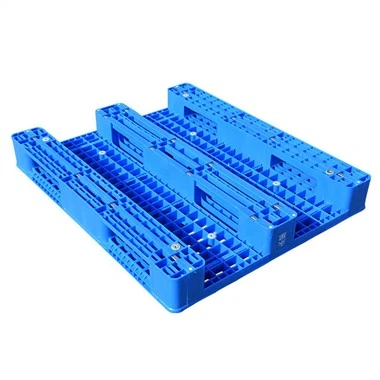
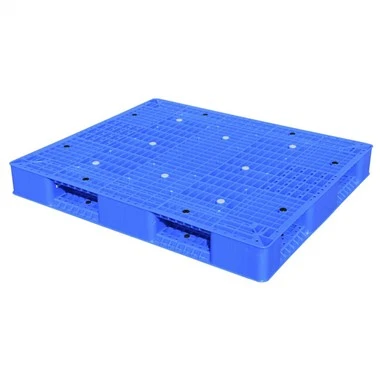
Wait, what about the actual storage container for the sharps container itself? You don’t want to just set a full 5-gallon bin on a concrete floor—use a sturdy plastic pallet or a rubber mat under it. Concrete can be damp, especially in basements, and over time that moisture can seep through the plastic and compromise the seal. A ¼-inch thick rubber mat is cheap, catches any small spills, and keeps the bin stable, especially if you have to roll it around a bit. For wall-mounted holders, make sure they’re rated for the weight of the container when it’s full. A lot of cheap holders online are only made for empty plastic, so a full 5-gallon bin will pull them off the wall. I’ve seen that happen in a clinic I supply, and it was a mess—needles all over the floor. Always check the weight rating on the holder, and if you’re mounting to drywall, use wall anchors, not just screws that will pull out.
Another thing most people skip: separating unused and used containers. New, unopened sharps containers shouldn’t be stored in the same spot as full, sealed ones. Put unused bulk new containers in a cool, dry, locked area away from sharp items or biohazard waste. I’ve had a nurse accidentally drop a full bin onto a stack of new unopened ones, and a broken sharp from the full bin punctured the new container—total waste. Store new containers upright, too—stack them no more than 5 high, since they’re empty and can collapse if stacked too tall.
Let’s talk about common mistakes I see all the time, because this is where most accidents happen. First, don’t store sharps containers near anything flammable. Even though most sharps are medical, the plastic can be a fire hazard if it’s near cleaning supplies with alcohol, or open flames in a lab. I had a client in a small lab that kept a full bin next to a Bunsen burner—they got a tiny spark, melted the edge of the container, and had to dispose of a whole bin early, plus fix the damage. Second, don’t leave containers accessible to unauthorized people. That includes kids, staff who aren’t trained on sharps safety, or even patients who might not know what the biohazard label means. I supply a lot of home care agencies, and they remind their nurses to tell patients not to touch the sharps container—they make them with childproof lids and lockable cabinets for that exact reason. Third, don’t store full containers long-term. Once a container is sealed, it’s only meant to be stored for a short time before disposal—like 30 to 90 days, depending on local rules. I’ve seen clinics leave full bins for 6 months because they forgot to arrange pickup, and the plastic breaks down, leading to leaks and possible exposure to bloodborne pathogens. That’s a OSHA violation, by the way, so not just a safety thing, it’s a legal one too.
What about if you’re traveling with sharps? Like, if you’re a mobile nurse going to multiple patient homes, or a medical conference where you have a few used lancets. The key here is portability with security. Get a TSA-approved (Transportation Security Administration) sharps transport container if you’re flying, but if you’re just driving, a hard-sided tote with a latch works. Never put used sharps in your regular work bag—even a small needle can poke through a fabric bag. I supply a lot of mobile teams with these small, padded hard cases that fit in their car door pockets, and they’re way more secure than trying to stuff a container in a laptop bag. Also, when you’re done at a patient’s home, seal the small container right away, put it in the transport tote, and don’t leave it in the car trunk in extreme heat or cold. I had a nurse once leave a tote in her car in 90-degree weather, and the plastic lid warped—luckily it was closed, but she said she’s never doing that again.
Wait, what about cleaning up a small spill that happens during storage? Even if you follow all the rules, sometimes a tiny leak or a broken container happens. Have a sharps spill kit on hand—those come with heavy-duty gloves, a biohazard bag, and a hard plastic scoop to pick up broken sharp bits. Never use your hands, even if you think it’s small. For the area where the container was, wipe it down with a hospital-grade disinfectant, and double-check that all small sharp pieces are picked up. I always tell my clients to keep one spill kit within 10 feet of any sharps storage area, just in case.
Now, let’s wrap this up with a quick check-in, no matter where you’re storing your sharps containers. Ask yourself these four questions: Is it locked (or out of reach of unauthorized people)? Is it upright and not stacked too high? Is it away from heat, moisture, or flammable stuff? And is it stored in a spot where it won’t get knocked over or damaged? If you can say yes to all four, you’re doing it right. If not, it’s an easy fix.
At the end of the day, sharps container storage isn’t complicated—it’s just paying attention to the small stuff that prevents accidents. I’ve been in this business for years, and the biggest mistake I see people make is treating these containers like just another plastic bin. They’re safety tools, and storing them properly is half the battle of keeping yourself, your staff, and your clients safe. If you need help picking the right container for your space, or want more info on bulk storage solutions, feel free to reach out to our team to talk through your needs. We can hook you up with the right sizes, mounting holders, and even spill kits to make your sharps storage as safe as possible.
Plastic Bucket References: Occupational Safety and Health Administration (OSHA) Bloodborne Pathogens Standard, World Health Organization (WHO) Safe Management of Sharps Waste, U.S. Environmental Protection Agency (EPA) Guidelines for Medical Waste Storage and Disposal.
Enlightening Pallet Industry Co., Limited
Enlightening Pallet Industry Co., Limited is one of the most professional sharps container manufacturers and suppliers in China, featured by quality products and competitive price. Please rest assured to wholesale cheap sharps container for sale here from our factory.
Address: No.339 Hui Xian Road, Jiading District, Shanghai
E-mail: elaine@cnplasticpallet.com
WebSite: https://www.binpallet.com/
