Hey there, gemstone enthusiasts! I’m the guy behind an Oxygen supplier, and I’ve always been fascinated by how oxygen can mess with the color of gemstones. You might be thinking, "Oxygen? Really? How does that even work?" Well, stick around, and I’ll break it down for you in plain English. Oxygen

First off, let’s talk about what gemstones actually are. They’re basically minerals that have been cut and polished to make them look all sparkly and beautiful. But what gives them their unique colors? That’s where oxygen comes in. Oxygen can react with the elements inside gemstones, and these reactions can change the way light interacts with the stone, which in turn affects the color we see.
Take amethyst, for example. It’s a purple variety of quartz, and the purple color is due to the presence of iron impurities in the quartz crystal. When oxygen gets involved, it can oxidize these iron impurities. Oxidation is like a chemical reaction where oxygen steals electrons from other elements. In the case of amethyst, the oxidation of iron changes its electronic structure. This change affects how the crystal absorbs and reflects light. The amethyst ends up absorbing certain wavelengths of light and reflecting others, which gives it that lovely purple hue. If there’s not enough oxygen around, or if the oxidation process is interrupted, the amethyst might not develop its full – blown purple color. It could end up being a lighter shade or even a different color altogether.
Another cool example is turquoise. Turquoise gets its blue – green color from a combination of copper and aluminum. Oxygen plays a role in the formation of turquoise in its natural environment. In the ground, water containing dissolved oxygen seeps through rocks and reacts with copper and aluminum minerals. The oxygen helps in the chemical reactions that form the turquoise compound. If the oxygen levels are too high or too low during this formation process, the color of the turquoise can change. For instance, if there’s too much oxygen, the copper might oxidize more than usual, and the turquoise could turn a darker, more greenish – blue color. On the other hand, if there’s not enough oxygen, the color might be paler and less vibrant.
Now, let’s move on to rubies and sapphires. These are both varieties of the mineral corundum. Rubies are red because of the presence of chromium impurities in the corundum crystal. Oxygen can influence the oxidation state of chromium. When chromium is in a certain oxidized state, it absorbs light in such a way that the crystal appears red. If the oxygen levels in the environment where the ruby forms change, it can affect the oxidation of chromium. This might lead to a change in the intensity of the red color. Sapphires, which come in a variety of colors like blue, yellow, and pink, also have different impurities. For example, blue sapphires get their color from iron and titanium impurities. Oxygen can react with these impurities, altering their electronic states and thus changing the color of the sapphire.
In the world of gemstone treatment, oxygen also plays a big part. Gemstone dealers often use heat treatment to enhance the color of gemstones. And during this process, oxygen in the air can react with the stone. For example, some brown or yellow diamonds can be heat – treated in an oxygen – rich environment. The oxygen can react with the impurities in the diamond, changing their structure and making the diamond appear whiter. This is a common practice in the diamond industry to increase the value of lower – quality diamonds.
But it’s not just about natural formation and treatment. Oxygen can also affect the color of gemstones over time. If you have a gemstone jewelry piece, the oxygen in the air can cause a slow oxidation process on the surface of the stone. This can sometimes lead to a change in the color or the appearance of a tarnish. For example, some soft gemstones with reactive surfaces can develop a duller color after prolonged exposure to air and oxygen. To prevent this, jewelers often coat gemstones with a protective layer.
So, why should you care about all this as a gemstone lover or a dealer? Well, understanding how oxygen affects gemstone color can help you make better decisions when buying or selling gemstones. If you know that a certain gemstone’s color is highly dependent on oxygen levels during formation, you can look for stones that were formed in the right conditions to get the best color. And if you’re a dealer, you can use this knowledge to explain the value and uniqueness of your gemstones to your customers.
As an Oxygen supplier, I know how crucial it is to have the right quality and quantity of oxygen for gemstone treatment. Whether you’re a small – scale jeweler looking to enhance the color of a few gemstones or a large – scale gemstone processing plant, having a reliable source of oxygen is key. The oxygen we supply is of the highest quality, and it’s been proven to work great in various gemstone treatment processes.
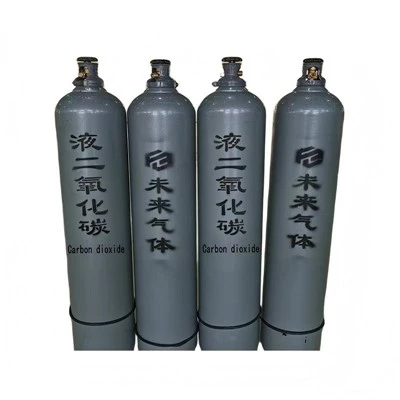
If you’re in the gemstone business and are looking for an oxygen supplier that you can trust, don’t hesitate to reach out. We can have a chat about your specific needs, whether it’s for heat treatment, chemical reactions during gemstone formation simulations, or any other oxygen – related processes in the gemstone industry. We’re here to help you get the most out of your gemstones by providing the best oxygen for your operations.
Nitrogen References
- Nassau, Kurt. Gems Made by Man. Van Nostrand Reinhold Company, 1970.
- Hughes, Robert C. Gemstone Enhancement. Butterworth – Heinemann, 1997.
- Webster, John D. The Physics and Chemistry of Color: The Fifteen Causes of Color. Wiley – Interscience, 2003.
Fortune Gas Co., Ltd.
With abundant experience, we are one of the most professional oxygen manufacturers and suppliers in China. We warmly welcome you to buy bulk high quality oxygen from our factory. If you have any enquiry about customized service, please feel free to email us.
Address: Building 3, No. 2 Chunchao Road, Yichun Economic and Technological Development Zone, Jiangxi Province
E-mail: Fortunegas_angela@163.com
WebSite: https://www.fortunegascn.com/
