Hey there! I’m a supplier of Feeding and Discharging Systems, and I know firsthand that these systems can sometimes throw a few curveballs. But don’t worry, I’m here to walk you through how to troubleshoot them like a pro. Feeding and Discharging System
Understanding the Basics
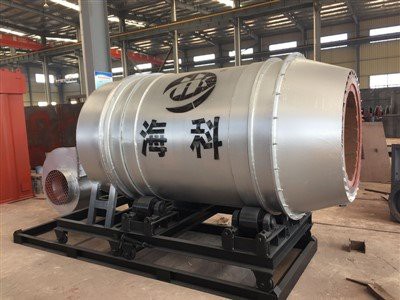
First off, it’s important to have a solid understanding of how a Feeding and Discharging System works. These systems are designed to move materials from one place to another, whether it’s raw materials into a production line or finished products out. They typically consist of components like conveyors, feeders, hoppers, and valves.
Common Issues and Solutions
Blockages
One of the most common problems you’ll encounter is blockages. This can happen in the hoppers, conveyors, or pipes. Blockages can be caused by a variety of factors, such as oversized particles, moisture, or improper material flow.
- Check the hopper: If the hopper is blocked, start by inspecting it for any foreign objects or build-up. Sometimes, a simple knock on the side of the hopper can dislodge the blockage. If that doesn’t work, you may need to open the hopper and remove the blockage manually.
- Inspect the conveyors: Conveyor belts can get clogged with material. Check for any debris or build-up on the belt and clean it off. Make sure the belt is running smoothly and that there are no obstructions in the path.
- Clear the pipes: Pipes can become blocked due to sticky materials or debris. Use a pipe cleaner or a high-pressure air hose to clear the blockage. If the blockage is severe, you may need to disassemble the pipes and clean them thoroughly.
Inconsistent Material Flow
Another issue you might face is inconsistent material flow. This can lead to production delays and quality problems.
- Adjust the feeder settings: The feeder is responsible for controlling the flow of material. If the flow is inconsistent, check the feeder settings. Make sure the speed and volume are set correctly for the type of material you’re handling.
- Check the material properties: Some materials may be more prone to bridging or ratholing in the hopper, which can cause inconsistent flow. Consider using flow aids, such as vibrators or agitators, to help the material flow more smoothly.
- Inspect the valves: Valves control the flow of material in and out of the system. Make sure they are opening and closing properly and that there are no leaks.
Equipment Malfunctions
Sometimes, the problem may be with the equipment itself. This can include issues with the motor, conveyor belts, or other components.
- Check the motor: If the motor is not running properly, it could be due to a variety of reasons, such as a blown fuse, a loose connection, or a faulty motor. Check the electrical connections and the fuse box. If you’re not comfortable working with electrical components, it’s best to call in a professional.
- Inspect the conveyor belts: Conveyor belts can wear out over time, causing them to slip or break. Check the belts for signs of wear and tear, such as fraying or cracking. If necessary, replace the belts.
- Test the sensors: Many Feeding and Discharging Systems are equipped with sensors to monitor the flow of material and the operation of the equipment. Make sure the sensors are working properly and that they are calibrated correctly.
Preventive Maintenance
The best way to avoid troubleshooting is to perform regular preventive maintenance on your Feeding and Discharging System.
- Clean the system regularly: Remove any debris or build-up from the hoppers, conveyors, and pipes. This will help prevent blockages and ensure smooth operation.
- Lubricate moving parts: Keep the moving parts of the system well-lubricated to reduce friction and wear.
- Inspect the equipment regularly: Check for any signs of wear and tear, such as loose bolts, worn belts, or leaking valves. Replace any damaged components as soon as possible.
When to Call in the Experts
Sometimes, troubleshooting a Feeding and Discharging System can be a complex task. If you’ve tried all the above steps and you’re still having problems, it’s time to call in the experts. As a supplier, I have a team of experienced technicians who can diagnose and fix any issues with your system quickly and efficiently.
Conclusion

Troubleshooting a Feeding and Discharging System doesn’t have to be a headache. By understanding the basics, knowing how to identify and solve common issues, and performing regular preventive maintenance, you can keep your system running smoothly and avoid costly downtime.
Shot Blasting Machines If you’re having any problems with your Feeding and Discharging System or if you’re looking to upgrade your existing system, don’t hesitate to reach out. I’m here to help you find the best solutions for your needs. Let’s have a chat and see how we can work together to improve your production process.
References
- "Handbook of Bulk Solids Handling and Transport" by J. A. W. Barnea and E. Wasserman
- "Powder and Bulk Solids Handbook" by C. R. Austin and R. H. Gibilaro
Jiangsu Haike Environmental Tech Co., Ltd.
As one of the most professional feeding and discharging system manufacturers and suppliers in China, we’re featured by quality products and good service. Please rest assured to wholesale customized feeding and discharging system at competitive price from our factory. Contact us for quotation.
Address: No.1, Wei’er Branch Road, Shanggang Industrial Park, Jianhu County, Yancheng City, Jiangsu Province, China
E-mail: 17388487000@163.com
WebSite: https://www.jshkhbwm.com/
