Yo, folks! As a supplier in the antineoplastic agents game, I get asked a ton about how these life – changing drugs are named and classified. So, I thought I’d break it down into simple terms and share what I’ve learned over the years. Antineoplastic Agents
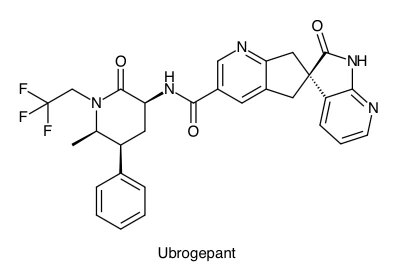
Let’s kick things off with naming. Naming antineoplastic agents is no easy feat. It’s like naming a baby, but with a whole lot more science involved. There are multiple ways these drugs get their names.
First up, we have chemical names. These are the super technical names that describe the exact chemical structure of the agent. Think of them as the DNA of the drug. For example, cisplatin. The chemical name for cisplatin is cis – diamminedichloroplatinum(II). It might look like a tongue – twister, but it precisely tells you what atoms are in the molecule and how they’re arranged. Chemical names are great for the lab nerds like many of the researchers I work with. They use these names to understand the drug’s makeup and how it might react with other substances.
Then there are generic names. Generic names are more user – friendly. They’re assigned by an official body, usually the World Health Organization’s International Nonproprietary Names (INN) system. The goal of the generic name is to have a single, universal name for each drug, no matter where you are in the world. For instance, let’s take doxorubicin. The INN came up with this name so that doctors, nurses, and patients all over can refer to the same drug by one common name. Generic names often have some kind of clue about the drug’s class or mechanism of action. In the case of doxorubicin, it belongs to the anthracycline class, and the name might give a hint to experts about its family tree in the drug world.
Brand names are another story. These are the names that drug companies come up with to market their products. They’re catchy and easy to remember. For example, Herceptin is the brand name for trastuzumab. The drug company that developed it wanted a name that would stick in people’s minds. Brand names can be a bit of a double – edged sword. On one hand, they make it easier for patients to recognize a drug. On the other hand, they can sometimes create confusion, especially when there are different brand names for the same generic drug.
Now, let’s move on to classification. There are several ways to classify antineoplastic agents, and I’ll go through the main ones.
One of the most common ways is by mechanism of action. This is all about how the drug actually works to kill cancer cells.
Alkylating agents are like little molecular saboteurs. They work by attaching to the DNA in cancer cells and changing its structure. This messes up the cell’s ability to replicate and divide, which ultimately leads to the cell’s death. Cyclophosphamide is a well – known alkylating agent. It’s used to treat a variety of cancers, from leukemia to lymphoma.
Antimetabolites are another important class. These drugs mimic the normal metabolites that cells need to grow. But once they get into the cancer cell, they cause problems. For example, methotrexate looks like folic acid to the cancer cell. When the cell tries to use methotrexate instead of folic acid, it can’t carry out essential processes like making DNA and RNA. As a result, the cancer cell stops growing and eventually dies.
Antitumor antibiotics are not your typical antibiotics that you take for a bacterial infection. These drugs, like bleomycin, work by interfering with the cancer cell’s DNA. They can either break the DNA strands or prevent the cell from making new DNA. This stops the cancer cell from growing and spreading.
Plant – derived agents are also a big deal. Taxanes, such as paclitaxel, come from the bark of the Pacific yew tree. These drugs work by stabilizing the microtubules in the cancer cell. Microtubules are like the cell’s scaffolding, and they’re important for cell division. By stabilizing them, paclitaxel prevents the cancer cell from dividing properly, leading to cell death.
Another way to classify antineoplastic agents is by the type of cancer they treat. Some drugs are used for solid tumors, like breast, lung, or colon cancer. Others are more effective against hematological cancers, such as leukemia and lymphoma.
Monoclonal antibodies are a special class of antineoplastic agents. These are man – made proteins that can target specific molecules on the surface of cancer cells. For example, rituximab targets a protein called CD20, which is found on the surface of B – lymphocytes in some lymphomas. By binding to CD20, rituximab can mark the cancer cells for destruction by the body’s immune system.
Hormonal agents are used to treat cancers that are hormone – sensitive. For example, tamoxifen is used to treat breast cancer that is estrogen – receptor positive. It works by blocking the effects of estrogen on the cancer cells, which slows down their growth.
As a supplier, I’ve seen firsthand how important it is to understand these names and classifications. When doctors and researchers are looking for the right drug for a patient, they need to know exactly what they’re getting. And that’s where we come in. We make sure that the antineoplastic agents we supply are of the highest quality and that they’re properly labeled with all the necessary names and information.

If you’re in the medical field, whether you’re a doctor, a researcher, or a hospital administrator, and you’re looking for reliable antineoplastic agents, we’re here to help. We’ve got a wide range of drugs in our inventory, and we’re committed to providing excellent service. We understand that when it comes to cancer treatment, every detail matters. So, if you’re interested in learning more or starting a procurement discussion, don’t hesitate to reach out. We’re always happy to talk about how we can meet your specific needs.
Anti-infective Agents References
- Goodman, L. S., & Gilman, A. (Eds.). (2018). Goodman and Gilman’s The Pharmacological Basis of Therapeutics. McGraw – Hill Education.
- Brunton, L. L., Chabner, B. A., & Knollmann, B. C. (Eds.). (2017). Goodman & Gilman’s The Pharmacological Basis of Therapeutics. McGraw – Hill.
- Katzung, B. G., & Trevor, A. J. (Eds.). (2018). Basic & Clinical Pharmacology. McGraw – Hill Education.
HK Neopharm Limited
HK Neopharm Limited is one of the most professional antineoplastic agents manufacturers and suppliers in China, also supports customized service. Welcome to buy high quality antineoplastic agents in stock here and get quotation from our factory. For price consultation, contact us.
Address: Room W Unit 6086/f Metro Loft 38kwai Hei St Kwai Chung, Hong Kong
E-mail: sales@hkneopharm.com
WebSite: https://www.hkneopharm.com/
